Skip to main content Search Search people, articles, bills, and more
House Voted 417-3 to Make Data Centers Pay Electricity Costs; States Can Still Say No — Rick Scott | ChamberLight
News / Trade Press / Tech Times 11 min read Image · Tech Times
SOURCE CHECK TAP FOR WHY Not enough stories yet: 1 of 10.
This article 1 analysis · Sep 25, 2026
55 Credibility Source credibility: 55 out of 100, medium 75 Neutrality Story neutrality: 75 out of 100, balanced CENTER LEAN Center
The House passed the Ratepayer Protection Act 417-3, requiring states to consider rules that would make large data centers pay for grid upgrades they cause. The bill does not require states to adopt those rules, and its fate in the Senate is uncertain.
Community verdict 12 VOTES How does this story look for
● OPEN ▲ GOOD LOOK TAP TO VOTE 78% TAP TO VOTE ▼ BAD LOOK TAP TO VOTE 22% TAP TO VOTE
Doesn't really affect Evans Rated by people, not pundits. ● OPEN
People in this story SWIPE →
Part of a bigger story 9 OUTLETS
ARTICLES 12
OUTLETS 9
AVG CRED 85 Discussion · 0 best newest discussed
best Not enough stories yet: 1 of 10.
This article 1 analysis · Sep 25, 2026
55 Credibility MEDIUM Source credibility: 55 out of 100 75 Neutrality BALANCED Story neutrality: 75 out of 100
POLITICAL LEAN Center
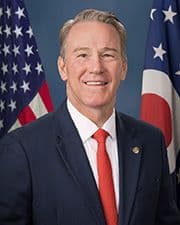
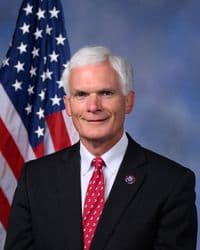
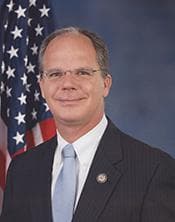
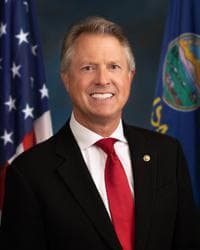
People in this story 14 Republican representative and sponsor of the Ratepayer Protection Act
PRIMARY SUBJECT
Senator who introduced a resolution supporting the Ratepayer Protection Pledge
Representative who supported the bill while calling it insufficient
Representative who supported the bill while calling it insufficient
Senator whose proposed data center excise tax is backed by Senate Democrats seeking stronger protections
Representative who voted against the bill
Senate majority leader who described the difficulty of passing the bill before the midterms
Senator who introduced the Senate companion bill
Representative who voted against the bill
Subcommittee chairman who urged swift Senate consideration
Committee chairman whose office cited examples supporting large-load rate agreements
Senator who introduced a resolution supporting the Ratepayer Protection Pledge
Democratic co-sponsor of the bill, described as a vulnerable incumbent
Representative who opposed the bill and called for a data center moratorium
Senate candidate and Husted’s opponent in a competitive race
Referenced legislation · S.Con.Res. 30 A concurrent resolution expressing the sense of Congress that the Ratepayer Protection Pledge announced on March 4, 2026, reflects sound national policy to protect ratepayers in the United States, promote electricity affordability, and ensure that all people of the United States, including households, small businesses, schools, hospitals, and farms, have access to reliable and affordable energy as artificial intelligence and data center infrastructure expands across the United States. Referenced legislation · H.R. 9340 Ratepayer Protection Act Referenced legislation · S. 5028 Ratepayer Protection Act
Senator whose proposed data center excise tax is backed by Senate Democrats seeking stronger protections
Representative who voted against the bill
SHOW 9 MORE SHOW FEWER Senate majority leader who described the difficulty of passing the bill before the midterms
Senator who introduced the Senate companion bill
Representative who voted against the bill
Subcommittee chairman who urged swift Senate consideration
Committee chairman whose office cited examples supporting large-load rate agreements
Senator who introduced a resolution supporting the Ratepayer Protection Pledge
Democratic co-sponsor of the bill, described as a vulnerable incumbent
Representative who opposed the bill and called for a data center moratorium
Senate candidate and Husted’s opponent in a competitive race
REFERENCED LEGISLATION A concurrent resolution expressing the sense of Congress that the Ratepayer Protection Pledge announced on March 4, 2026, reflects sound national policy to protect ratepayers in the United States, promote electricity affordability, and ensure that all people of the United States, including households, small businesses, schools, hospitals, and farms, have access to reliable and affordable energy as artificial intelligence and data center infrastructure expands across the United States. S.Con.Res. 30 · Senate Concurrent Resolution Ratepayer Protection Act H.R. 9340 · House Bill Ratepayer Protection Act S. 5028 · Senate Bill From the source ChamberLight summarizes and scores Tech Times's reporting. The full story is on Tech Times.
Read original article