Bills · SCONRES 30
IN COMMITTEE· 119TH CONGRESS
Senate Concurrent Res.SCONRES 30Energy
A concurrent resolution expressing the sense of Congress that the Ratepayer Protection Pledge announced on March 4, 2026, reflects sound national policy to protect ratepayers in the United States, promote electricity affordability, and ensure that all people of the United States, including households, small businesses, schools, hospitals, and farms, have access to reliable and affordable energy as artificial intelligence and data center infrastructure expands across the United States.
This resolution supports a policy where major technology companies pay for their own electricity infrastructure costs for AI data centers instead of shifting those expenses to everyday utility customers.AI-written
INTRO MAR 25· LAST ACTION MAR 25
READING
3MIN
COSPONSORS
1
READER REACTIONS0 TOTAL
NO VOTES YET · BE THE FIRST
- Not a law
tl;dr
AI-writtenEndorses a national agreement requiring big tech companies to pay for the massive power grid upgrades needed for AI data centers, preventing these multi-billion dollar costs from being passed on to regular households and small businesses.
LEGISLATIVE PROGRESS
STEP 2 / 8Introduced
In Committee
Reported
Passed Senate
Passed House
Conference
To President
Became Law
WHAT THE BILL DOES
AI-writtenAs AI becomes a bigger part of daily life, the data centers that power it are expected to use up to 12% of all electricity in the U.S. by 2028. Without the changes supported by this resolution, the massive cost of upgrading the electric grid to handle this demand would likely be passed on to everyday people. This could make electricity unaffordable for low-income families and squeeze the budgets of small businesses and schools.
By supporting the 'Ratepayer Protection Pledge,' Congress is signaling a shift toward a 'user-pays' model for the energy transition. If this becomes the standard policy, it could lead to a more stable and modern power grid funded by private tech investment rather than public utility bills. If it fails or is ignored, many Americans could see their monthly energy costs jump significantly as the AI industry grows.
KEY PROVISIONS
4AI-extractedPROVISION 01
Endorses the Ratepayer Protection Pledge signed by major tech firms.
It establishes a national policy preference that big tech, not regular families, should pay for AI-related power grid upgrades.
PROVISION 02
Supports 'pay-whether-used' rate structures for data centers.
This ensures tech companies pay for the infrastructure they demand even if their power usage fluctuates, providing a stable funding source for the grid.
PROVISION 03
Calls for federal agencies to expedite permitting and interconnection for new energy resources.
It aims to remove the red tape that often delays the construction of new power plants and transmission lines.
PROVISION 04
Encourages tech companies to share their backup power resources with the public grid.
This would help prevent blackouts for everyone during times of extreme heat or cold when electricity demand is highest.
SPONSORSHIP
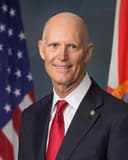
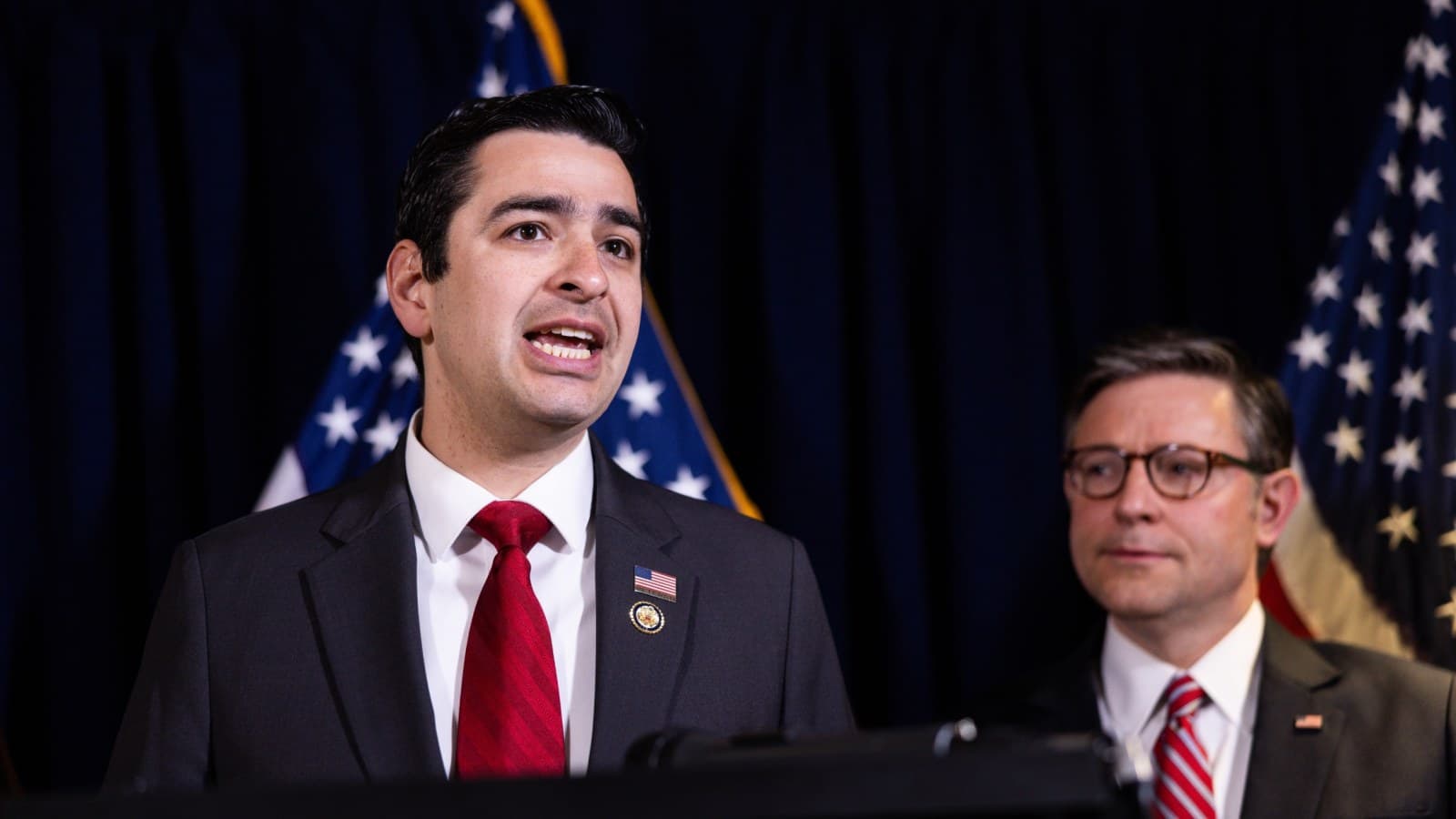
1 + 1
R· Florida
YRS IN OFFICE
7
BILLS LED
185
COSPONSOR BREAKDOWNBIPARTISAN · 0%
DEM 0 REP 1 IND 0
ACTION TIMELINE
2 EVENTSMAR 25
Submitted in Senate
MAR 25
Referred to the Committee on Energy and Natural Resources. (text: CR S1618-1619)
BILL INFO
TypeSenate Concurrent Resolution
NumberSCONRES 30
Congress119th
StatusIn Committee
IntroducedMar 25, 2026
Last actionMar 25, 2026
READER REACTIONS
OVERALL SENTIMENT
No reactions yet. Be the first to weigh in.
Discussion
Loading comments...
IN COMMITTEE· 119TH CONGRESS · ENERGY AND NATURAL RESOURCES COMMITTEE · INTRODUCED MAR 25, 2026
Senate Concurrent Res.SCONRES 30Energy
A concurrent resolution expressing the sense of Congress that the Ratepayer Protection Pledge announced on March 4, 2026, reflects sound national policy to protect ratepayers in the United States, promote electricity affordability, and ensure that all people of the United States, including households, small businesses, schools, hospitals, and farms, have access to reliable and affordable energy as artificial intelligence and data center infrastructure expands across the United States.
This resolution supports a policy where major technology companies pay for their own electricity infrastructure costs for AI data centers instead of shifting those expenses to everyday utility customers.AI-written
INTRODUCED MAR 25, 2026· LAST ACTION MAR 25, 2026
PASSAGE CHANCES
—%