Five Republicans Break Ranks With Trump On Venezuela
Collins said Trump’s comments about a sustained U.S. role in Venezuela led her to support the resolution.
SOURCE CHECK
TAP FOR WHYThe Daily Caller publishes attributed political reporting and identifies its author, but its partisan orientation warrants caution about framing and source selection. The article includes direct quotations and specific vote information, though it provides limited independent context.
- Source type — A national outlet with a pronounced partisan orientation; reporting is not equivalent to an opinion piece.
- Transparency — It attributes statements to lawmakers and the White House and identifies a poll source.
- Author attribution — The article names an author.
- Editorial standards — The text offers limited information about corrections practices or editorial processes.
The article gives the vote tally, quotes lawmakers on both sides, includes the White House position and cites a poll. It offers useful immediate context but limited detail about the resolution’s text, likely prospects or the survey’s methodology.
HOW WE SCORE ↗The article includes both the case for congressional authorization and arguments against the resolution, alongside the administration’s objection. It relies on selected political voices and gives limited detail about the measure or the evidence behind competing claims.
- Counterarguments presented — Supporters’ arguments and opposition from the White House, Thune and McConnell are represented.
- Source diversity — The article quotes lawmakers and cites an administration statement and a poll, but includes few independent experts.
- Omitted context — It offers little explanation of the resolution’s text, legal basis or prospects in the House.
- Loaded language — The writing is largely attributed and restrained, with some pointed characterizations such as “maverick Democrat.”
The article reports the vote and competing arguments in mostly straightforward language. Its framing emphasizes the Republican defections, but the text presents arguments from supporters, opponents and the White House without adopting an explicit verdict.
- Language tone — Mostly factual descriptions and attributed quotations.
- Source selection — Includes statements from lawmakers supporting and opposing the resolution, as well as the White House position.
- Headline — The phrase “Break Ranks” emphasizes Republican dissent but does not itself indicate a left- or right-leaning judgment.
The Senate advanced a bipartisan resolution limiting future U.S. military action in Venezuela without congressional authorization, with five Republican senators joining Democrats. A final Senate vote is expected next week, while House GOP leaders have not said whether they will allow the measure to reach the floor.
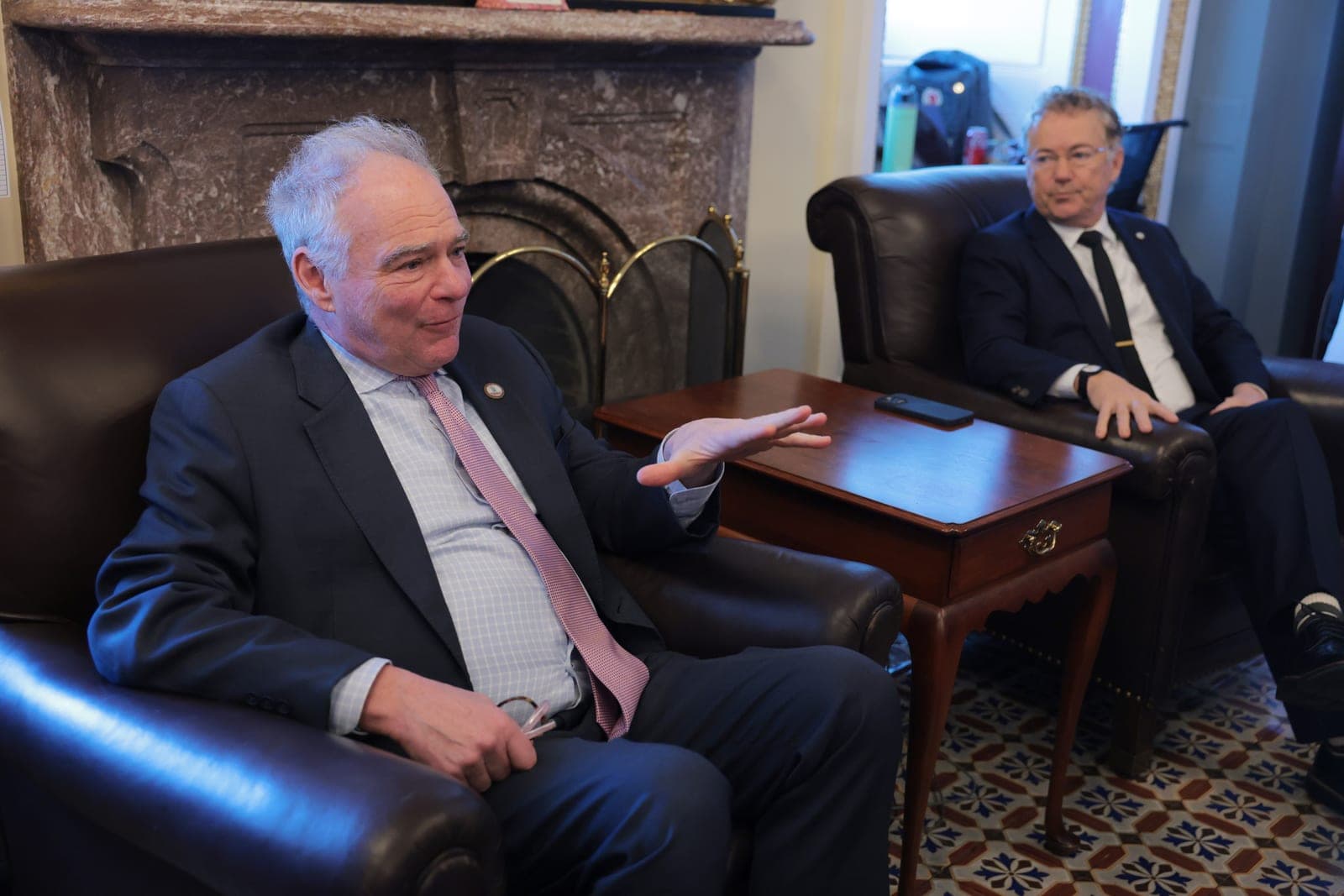
The Senate voted 52 to 47 to bring the war powers resolution to the floor. Republicans Rand Paul, Josh Hawley, Todd Young, Susan Collins and Lisa Murkowski joined Democrats in supporting it; the White House urged senators to reject the measure and said President Donald Trump would veto it if it reached his desk. A final Senate vote is expected next week, and it is unclear whether House GOP leadership will bring it forward.
Hawley said Congress would need to authorize any future deployment of U.S. troops to Venezuela. Paul argued that treating a military action as a law-enforcement operation would not remove the need for congressional permission, while Collins cited Trump’s remarks about a possible sustained U.S. role in Venezuela. Senate Majority Leader John Thune and Sen. Mitch McConnell opposed the resolution. A CBS News survey cited in the article found 52% disapproved of the operation to remove Nicolás Maduro.
Community verdict
11 VOTES
Counts every outlet’s report of this story. See all 17
- Readers of left-leaning coverage: not enough votes yet
- Readers of right-leaning coverage: 56% good look
Votes cast on this page
Votes cast on this page: ▲ 0 · ◆ 0 · ▼ 0
People in this story
SWIPE →Republican senator who supported the resolution, citing concern about Trump’s stated plans for Venezuela
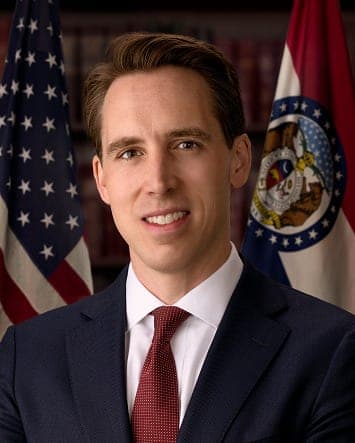
Republican senator who supported the resolution and said Congress should authorize any future troop deployment
Hawley's version of this story ↗
Republican senator who supported the resolution and argued Congress must authorize future military action
Paul's version of this story ↗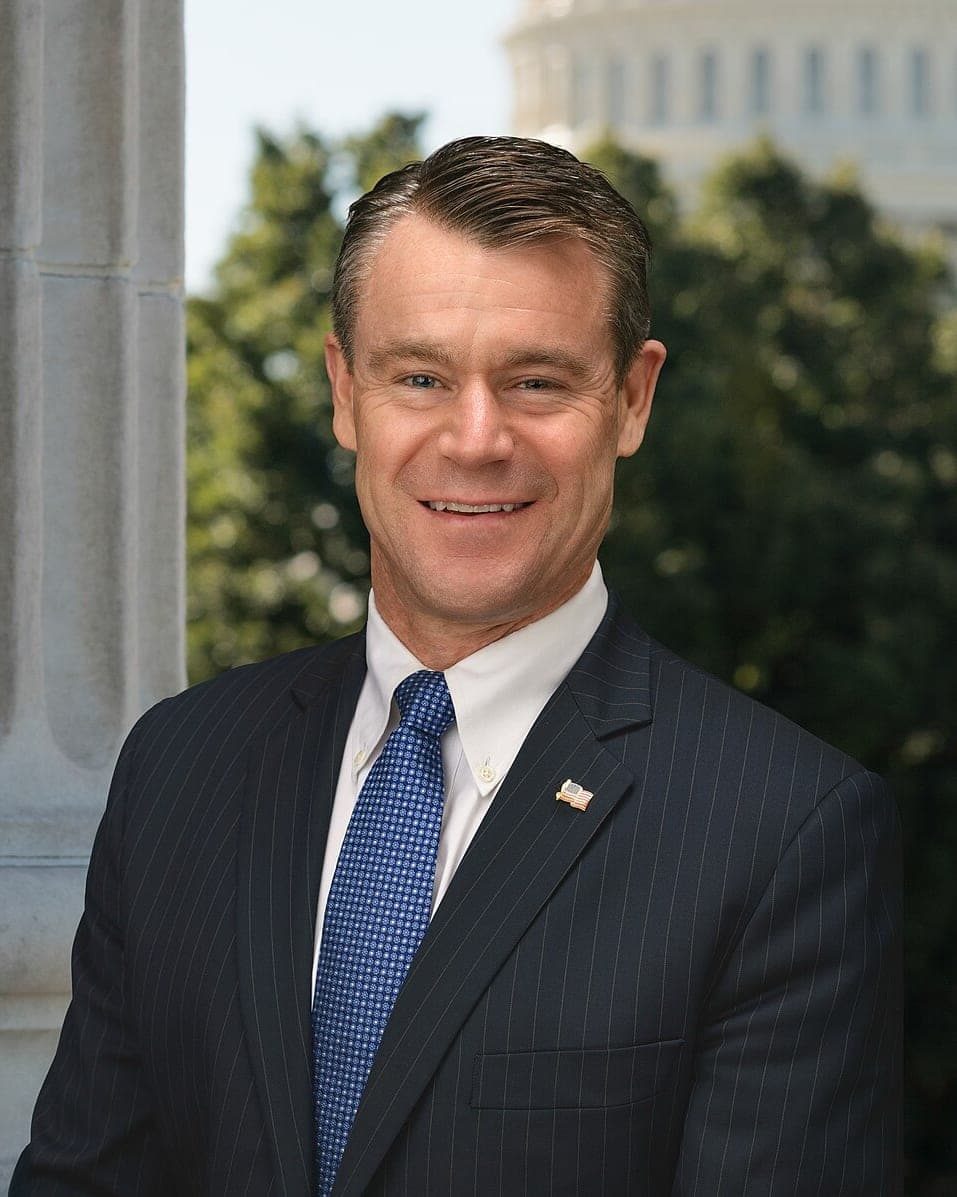
Republican senator who supported the resolution

President whose future military action in Venezuela the resolution would constrain
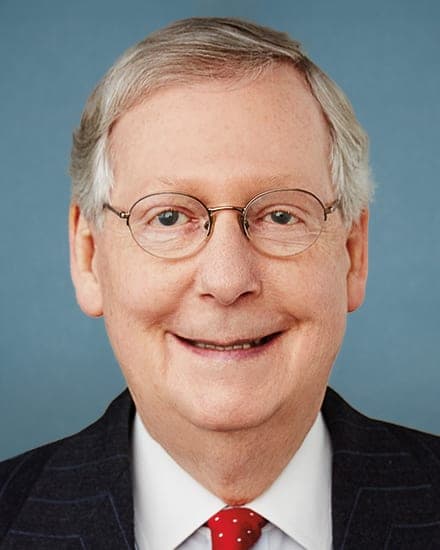
Republican senator who opposed the resolution
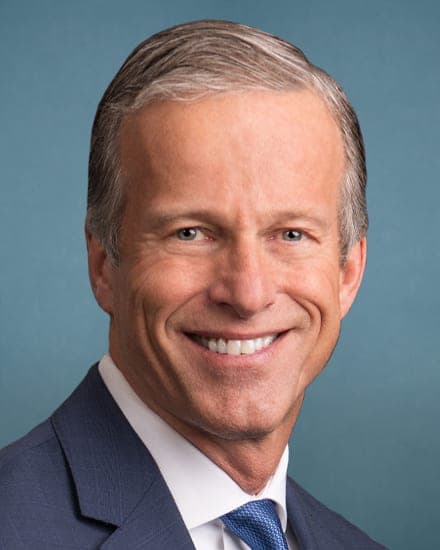
Senate majority leader who opposed the resolution

Republican senator who supported the resolution
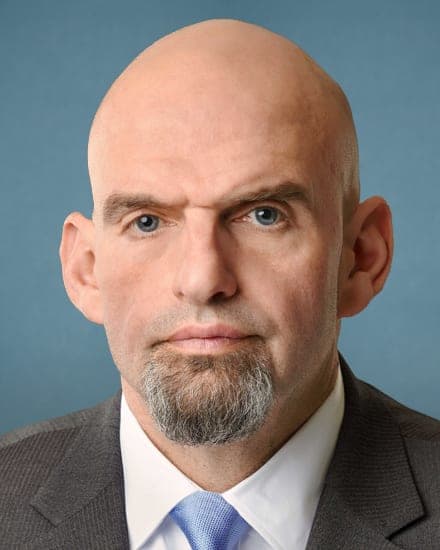
Democratic senator who supported the resolution
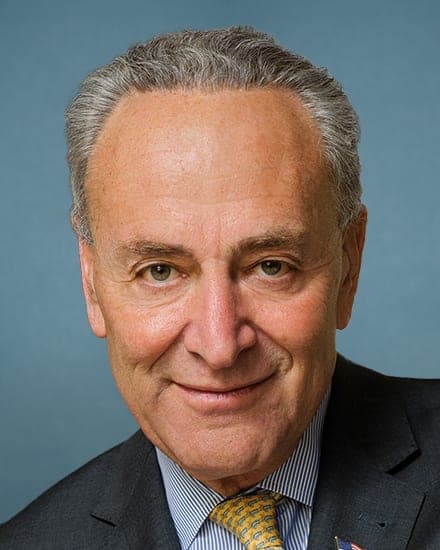
Senate minority leader and cosponsor of the resolution
Part of a bigger story
14 OUTLETSCollins backed a Senate resolution requiring congressional approval for further military action in Venezuela, and Trump criticized her after the vote. Left-leaning outlets foreground a reported angry call as a story about Trump’s hostility toward Collins. Center outlets recount the vote and Trump’s response, with some examining the reported call and Collins’s reelection prospects. Right-leaning outlets emphasize the break with Trump over war powers, while some stress the potential electoral cost of his criticism.
- ARTICLES
- 17
- OUTLETS
- 14
- AVG CRED
- 60
Discussion · 0
Loading comments…