Embattled GOP Rep's Team Threatened Stations If They Ran Challenger's Ad. They Did Anyway
Poindexter’s campaign cosponsored the ad, and he later tore up Miller’s warning letter in a campaign video.

SOURCE CHECK
TAP FOR WHYThe Daily Caller is a partisan outlet, and the article’s sourcing includes named campaign statements and references to court records and other news reports. The byline is identified, but the text does not establish a corrections record or provide enough information to assess the outlet’s broader standards.
- Source type — A partisan digital news outlet; the article reports a political dispute without overt editorial commentary.
- Transparency — The article attributes statements and allegations to speakers, court records, and other outlets.
- Author attribution — A named author is listed.
- Correction history — No corrections practice or history is established in the supplied material.
The story provides specific allegations, quotes Miller’s campaign response, and includes the parental coordinator’s contrary assessment and the fact that Miller was not charged. Much of the account relies on referenced court records and other outlets, and it does not include direct comment from Miller or Moreno.
HOW WE SCORE ↗The article gives substantial space to the allegations and the campaign’s denial, and includes a court-appointed coordinator’s doubts and the fact that Miller was never charged. It does not include direct interviews with Miller or Moreno, leaving some perspectives mediated through other sources.
- Counterarguments presented — Miller’s campaign disputes the ad, and the article reports the coordinator was not convinced by the abuse claims.
- Source diversity — The article refers to campaign statements, court records, and reporting by other outlets.
- Omitted context — Neither Miller nor Moreno is directly interviewed in the supplied text.
The article focuses on serious allegations against a Republican representative but also reports his campaign’s denial, a court-appointed coordinator’s skepticism, and the absence of criminal charges. Its wording and sourcing do not establish a clear partisan direction.
- Language tone — The article uses direct but mostly attributed language for allegations and responses.
- Source selection — It includes a campaign response and references court records and other news reports.
- Framing — The story is framed around the dispute over an ad and the stations’ decision to air it.
Max Miller’s legal team warned Ohio television stations not to air an ad by challenger Brian Poindexter that featured allegations against Miller; stations aired it anyway. Miller’s campaign disputed the ad’s claims, while the article also reports that a court-appointed coordinator was not convinced Miller abused his ex-wife and daughter.
Miller’s lawyer argued the ad contained false and defamatory statements, and his campaign spokeswoman disputed its claims. Cleveland stations aired the ad; WEWS said FCC rules prohibit stations from censoring ads purchased by candidates. Poindexter’s campaign cosponsored the ad, and Poindexter later tore up Miller’s letter in a campaign video.
The ad featured allegations made by Miller’s ex-wife, Emily Moreno, including claims of abuse and injuries to her and their daughter. A court-appointed parental coordinator told the court she was not convinced Miller abused them, and the article says Miller was never charged with a crime. Miller requested a House Ethics Committee investigation, which opened on Aug. 4.
Community verdict
10 VOTESPeople in this story
SWIPE →House candidate whose campaign cosponsored the ad and who publicized Miller’s letter
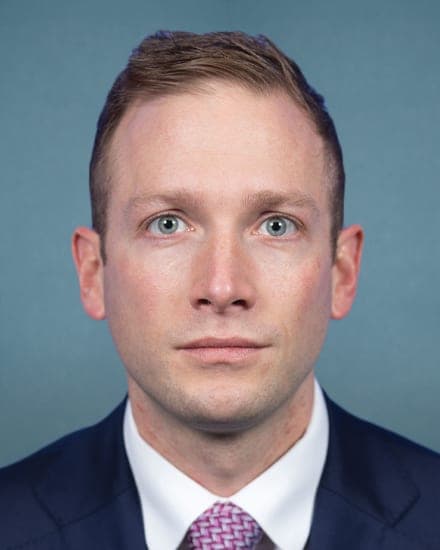
Representative whose legal team sought to stop stations from airing an opponent’s ad
Miller's version of this story ↗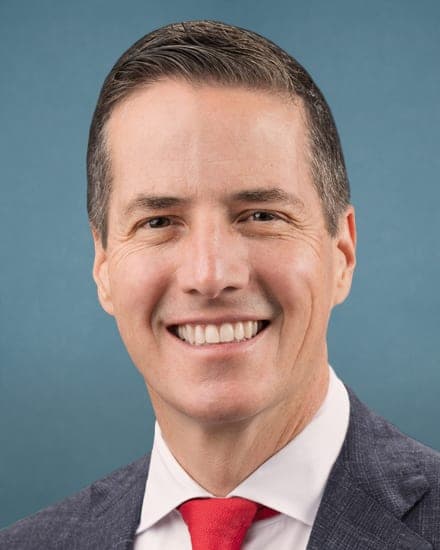
Senator and father of Emily Moreno, mentioned in a dispute over his granddaughter’s blue bunny
Part of a bigger story
6 OUTLETSOhio television stations aired Brian Poindexter’s campaign ad featuring abuse allegations about Rep. Max Miller after Miller’s legal team threatened action over it. Miller denies the allegations. Left-leaning outlets frame the warning as an effort to stop the ad and stress Poindexter’s defense of it. Center outlets describe the stations’ decision alongside the legal warning, the allegations and Miller’s denial. Right-leaning outlets also stress that stations aired the ad after the warning and report Miller’s dispute of its claims; one also cites a court-appointed coordinator’s contrary assessment.
- ARTICLES
- 6
- OUTLETS
- 6
- AVG CRED
- 62
Discussion · 0
Loading comments…