Congress Advances Historic Crackdown On American Cash Fueling China
Barr introduced the investment restrictions that the House included in its defense policy bill.
SOURCE CHECK
TAP FOR WHYThe Daily Caller is an established, identifiable outlet with bylined reporting, but its conservative orientation and this article’s selective framing warrant a moderate rather than high institutional score.
- Source type — A national news outlet, though politically conservative in orientation.
- Author attribution — The article identifies a named author.
- Editorial standards — The article attributes many claims, but the presentation is selective and some loaded descriptions are not independently substantiated in the text.
- Transparency — The publisher and author are identifiable; the article does not provide much reporting-method detail.
The report names lawmakers, explains the proposed restrictions and attributes a financial figure to a congressional committee. It includes bipartisan support and some criticism, but offers limited independent sourcing or detail about the measure’s scope and potential effects.
HOW WE SCORE ↗The article reports support from Republicans and Democrats and notes objections to other provisions of the defense bill. It does not give a substantive counterargument to the outbound-investment restrictions themselves, leaving that policy discussion weighted toward supporters.
- Source diversity — Supporters from both parties are quoted, but their views largely align on the central measure.
- Counterarguments presented — No direct opposing case to the investment restrictions is presented.
- Loaded language — Some emphatic language appears, primarily in attributed remarks and descriptions of China-related risks.
- Omitted context — The report gives limited detail on possible costs or objections concerning the restrictions.
The report favors the investment restrictions through its emphasis on national-security benefits and supportive lawmakers, while a late paragraph attributes concerns about a separate administration decision to critics. The overall framing leans right but remains largely reportorial.
- Framing — The restrictions are presented as a long-sought national-security crackdown and a victory for China hawks.
- Source selection — Most quoted lawmakers support the restrictions; bipartisan support is noted, but opposing views receive little attention.
- Language tone — The article uses forceful national-security language, much of it attributed to supporters.
- Omission — It provides little explanation of arguments against restricting outbound investment.
The House passed a $900 billion defense bill that includes restrictions on U.S. investment in sensitive Chinese technologies. The measure, backed by lawmakers from both parties, now awaits a Senate vote. citations only arrays.
The House passed a $900 billion defense policy bill containing restrictions on investments in sensitive Chinese technologies, with a Senate vote expected the following week. Rep. Andy Barr said he introduced the FIGHT China Act language included in the House version; supporters described the restrictions as a national-security measure.
Community verdict
29 VOTES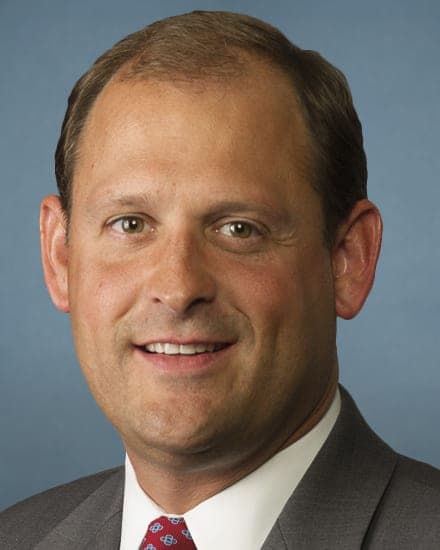
- Readers of left-leaning coverage: not enough votes yet
- Readers of right-leaning coverage: 82% good look
People in this story
SWIPE →Representative and sponsor of the FIGHT China Act language included in the House defense bill

Former House Financial Services Committee chair who opposed similar language in 2023

Speaker of the House and supporter of the investment restrictions

President whose administration announced approval for Nvidia shipments to China

Representative and supporter of the investment restrictions

Representative who intervened against the BIOSECURE provision in 2024

Senator and cosponsor of the Senate bill
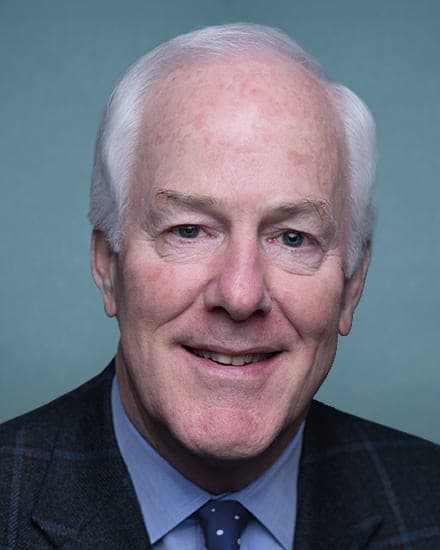
Senator and sponsor of the Senate version of the FIGHT China Act
Discussion · 0
Loading comments…