Abdul El-Sayed Had Big Night, But He Still Has Work To Do With Key Demo
El-Sayed won the Democratic primary but faces questions about whether his coalition can expand in the general election.

SOURCE CHECK
TAP FOR WHYThe Daily Caller is an established political news outlet with an identifiable author, but its partisan orientation and limited transparency about corrections temper confidence in its institutional standards.
- Source type — An established national political outlet, though it has a pronounced ideological orientation.
- Editorial standards — The story attributes some claims to named sources and other publications, but the outlet's partisan framing warrants caution.
- Author attribution — The article names an author.
- Transparency — The article identifies its author but provides limited visible information about corrections practices.
The article uses county-level figures and cites several publications, the Census, and named academic sources. It offers useful context but relies on limited expert sourcing, does not include responses from the candidates, and draws broad electoral implications from county-level patterns.
HOW WE SCORE ↗The article presents election results and demographic data about both candidates, with expert commentary on voter patterns. It focuses on risks facing El-Sayed and does not include direct candidate responses or much discussion of alternative interpretations.
- Source diversity — The article cites data, news outlets, and two named experts, but does not quote either candidate.
- Counterarguments presented — It reports results favorable to both candidates but offers limited competing interpretations of what those results mean.
- Omitted context — Direct explanations from the candidates about their coalitions or campaign strategies are absent.
- Loaded language — Most wording is factual, with some ideological descriptors and speculative electoral implications.
The report is largely data-focused, but it emphasizes El-Sayed’s challenges with key voter groups and describes him as further left, while invoking Trump’s gains with working-class voters. This gives the framing a slight rightward tilt.
- Framing — The article centers on the electoral weaknesses El-Sayed may face after his primary win.
- Language tone — Terms such as “further-left” frame El-Sayed ideologically, though the overall tone is mostly reportorial.
- Source selection — The story includes named academic sources and data, but no direct comments from the candidates.
- Headline — The headline highlights El-Sayed’s remaining electoral challenge rather than the primary result alone.
Abdul El-Sayed narrowly won Michigan’s Democratic Senate primary but may need broader support among lower-income and non-college-educated voters to compete in the general election, the article says.
El-Sayed defeated Rep. Haley Stevens, 48.5% to 47.5%, in Tuesday’s primary. County-level results cited in the article show Stevens doing better in some areas with lower college attainment, while El-Sayed performed strongly in several wealthier or more college-educated areas. The article says El-Sayed will need to appeal to voters beyond the groups where he performed best to compete against Republican nominee Mike Rogers in November.
Political scientist Corwin Smidt said higher-income, college-educated people were drawn to some areas where El-Sayed did well, while he also gained support from new voters in Dearborn. Stevens campaigned as the more moderate candidate and received establishment endorsements; El-Sayed received endorsements from several progressive lawmakers. The article also reports that Senate Minority Leader Chuck Schumer supported Stevens.
Community verdict
11 VOTES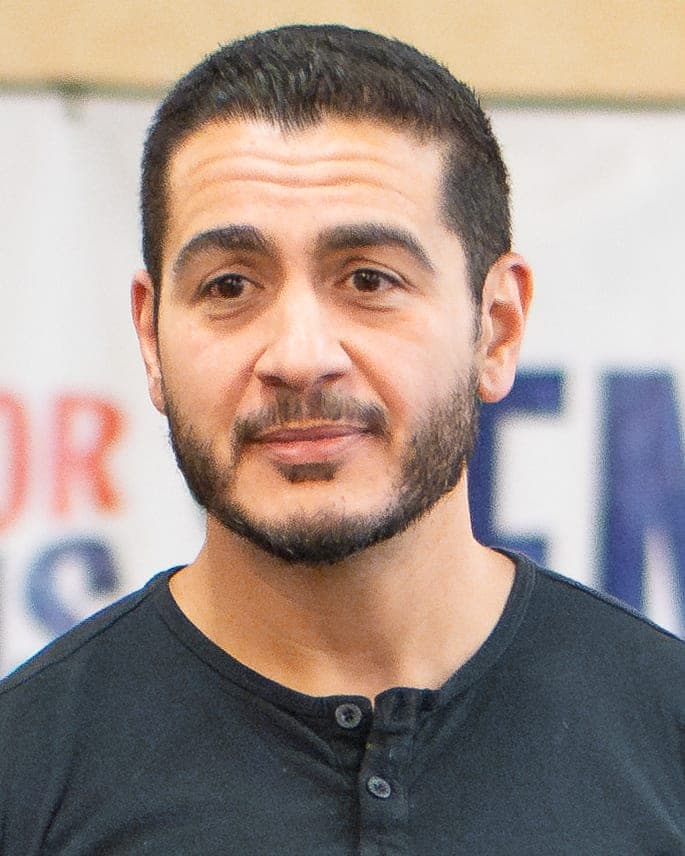
People in this story
SWIPE →
Democratic primary opponent
Senator and El-Sayed endorser

President; referenced in discussion of Michigan working-class voters
Former president; mentioned in a comparison with an earlier Democratic primary
Senator and El-Sayed endorser
Republican Senate nominee in Michigan
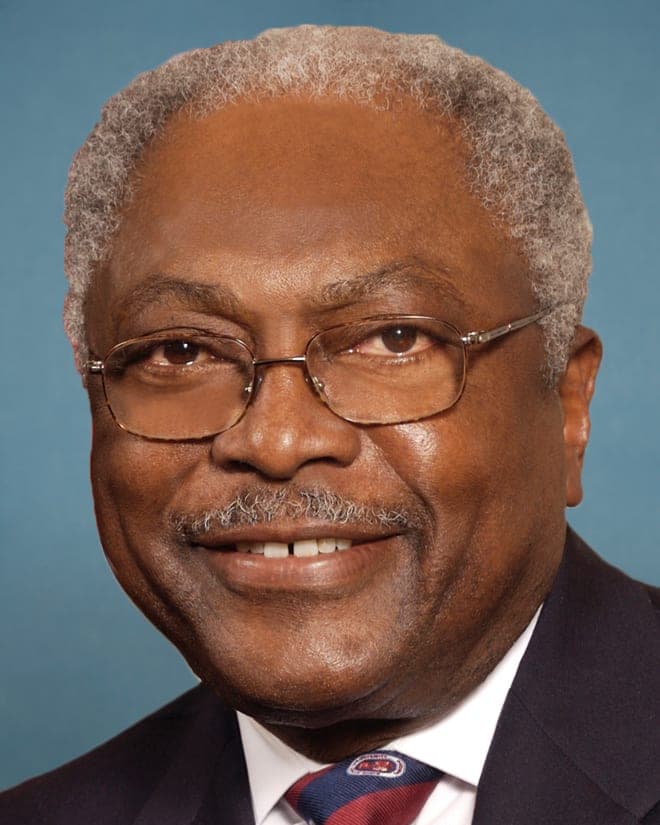
Representative and Stevens endorser
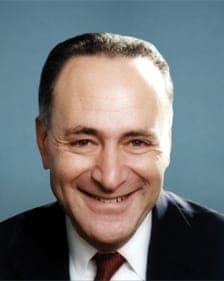
Senate Minority Leader; reported Stevens supporter

Representative and El-Sayed endorser

Representative and El-Sayed endorser
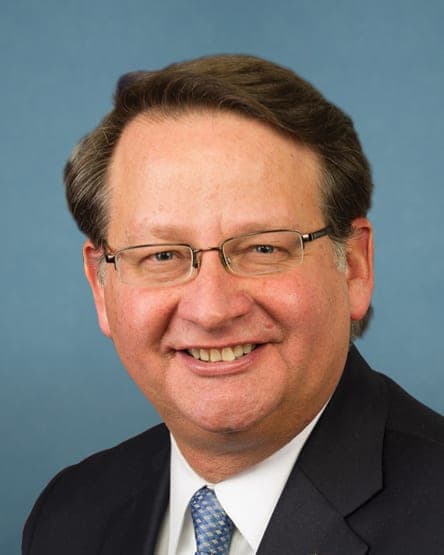
Senator and Stevens endorser
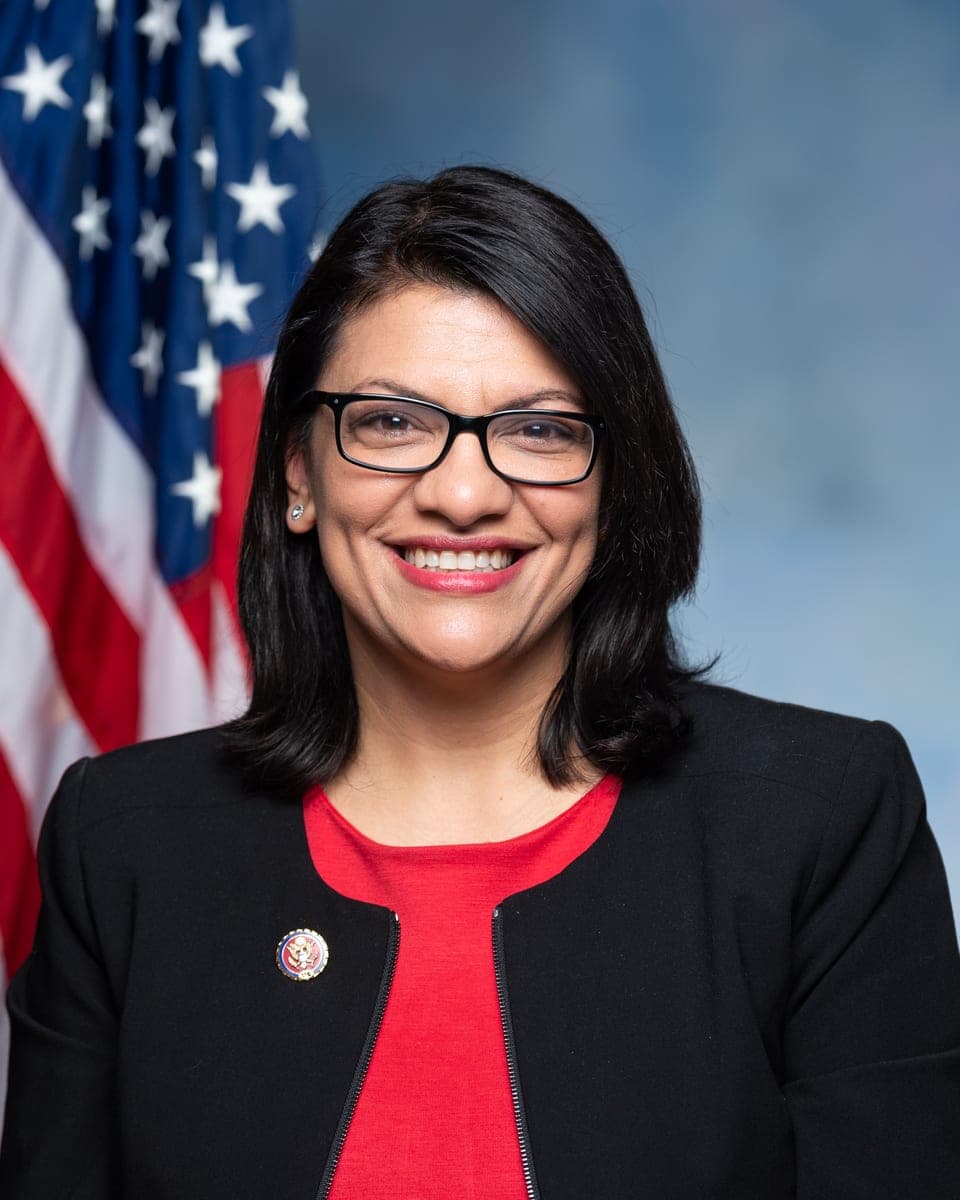
Representative and El-Sayed endorser
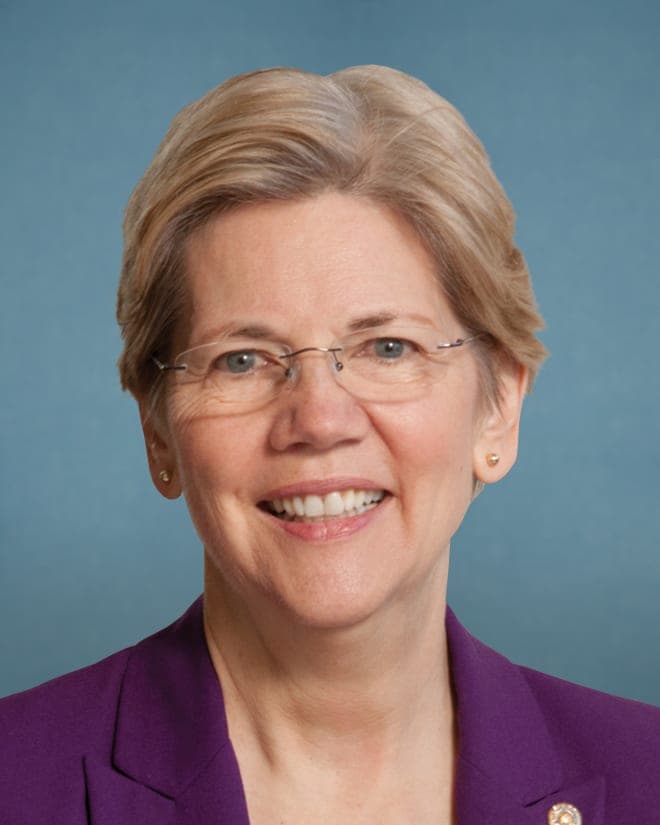
Senator and El-Sayed endorser
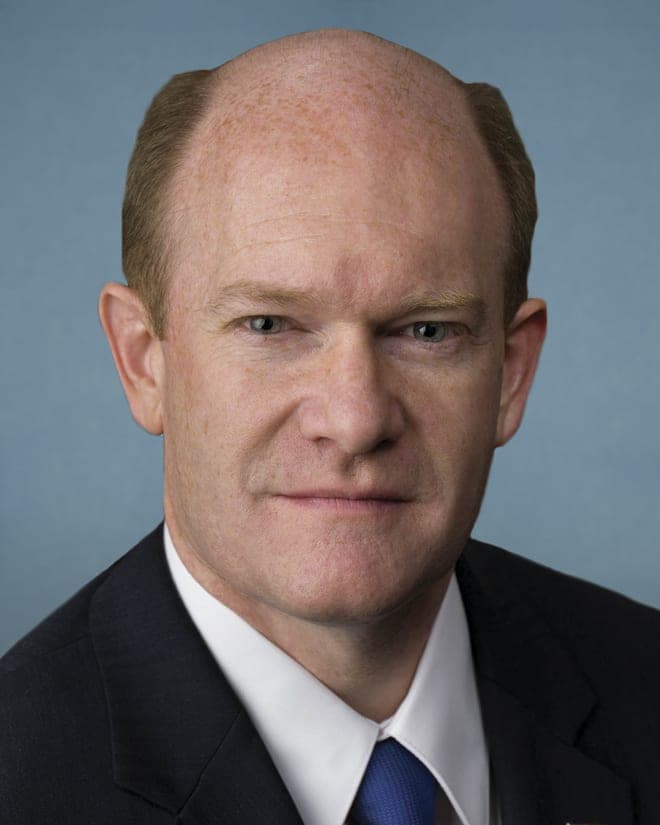
Senator and Stevens endorser
Part of a bigger story
23 OUTLETSAbdul El-Sayed won Michigan’s Democratic Senate primary, defeating Haley Stevens. Left-leaning outlets present the win as a grassroots progressive campaign that could challenge corporate influence and build a broader November coalition. Center outlets emphasize efforts to unite Democrats after a divisive primary, while also weighing voter concerns and El-Sayed’s ability to broaden support. Right-leaning outlets stress the electoral risks of his progressive positions and frame his nomination as evidence of a troubling direction for Democrats.
- ARTICLES
- 23
- OUTLETS
- 23
- AVG CRED
- 63
Discussion · 0
Loading comments…