GOP Goes Scorched-Earth on Abdul El-Sayed
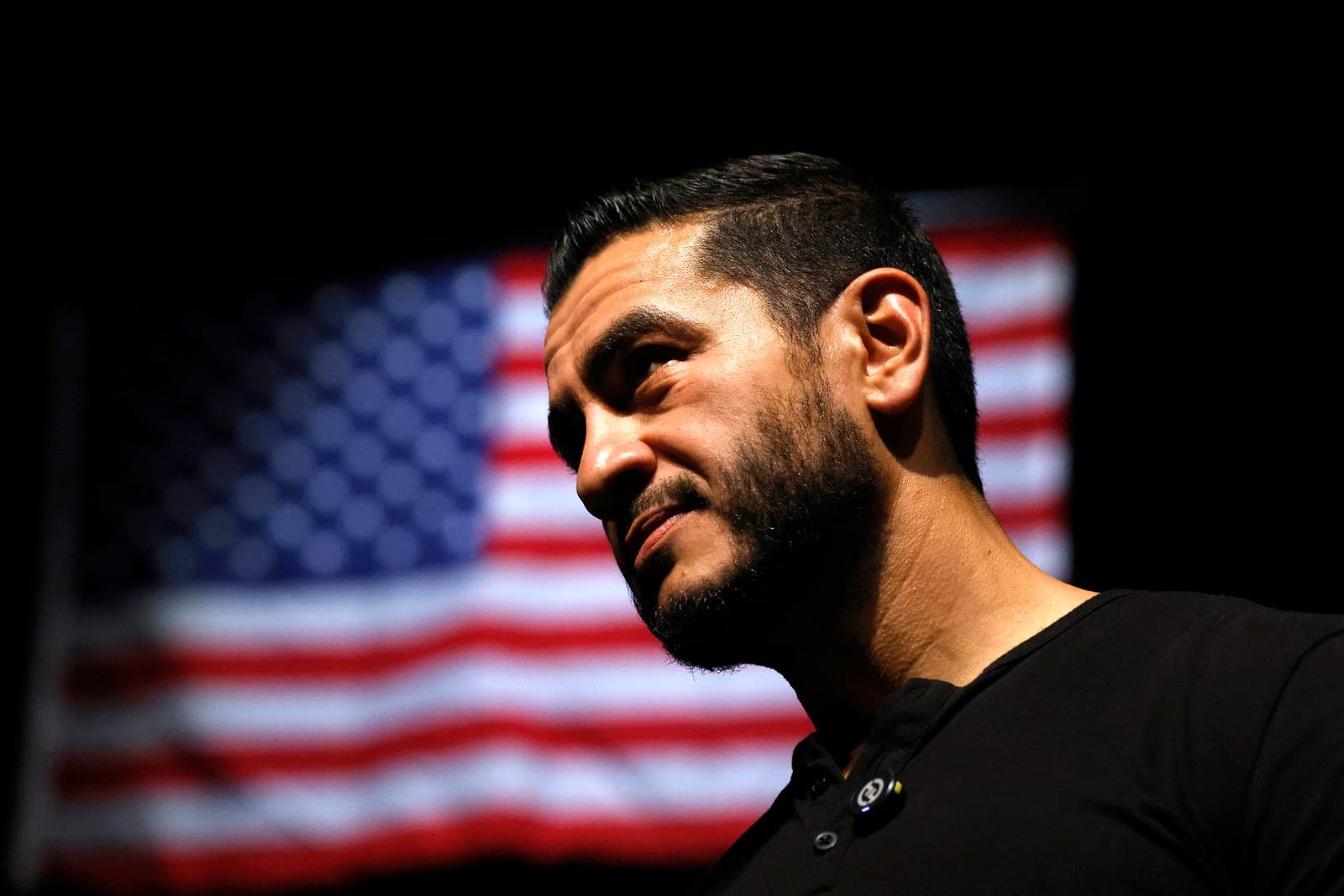
Rogers’s tariff ad, debate performance and attacks on El-Sayed are central to Cohn’s account of the Senate race.
SOURCE CHECK
TAP FOR WHYThe Bulwark is an established political publication, and this article has an identified author and draws on named sources and research organizations. Its opinion format and the limited presentation of opposing perspectives temper the score.
- Source type — An established political publication, but this item is explicitly opinion.
- Author attribution — The article names Jonathan Cohn as its author.
- Transparency — It attributes several claims to named sources and identifies polling and research organizations.
The article offers detailed campaign reporting, attributes some claims to named sources, and cites polling and KFF projections. It includes both candidates’ messages and some election context, but is openly opinionated and does not develop competing perspectives to the same depth.
HOW WE SCORE ↗The piece presents Rogers’s arguments and campaign activity, but its overall interpretation is strongly critical of Rogers and more sympathetic to El-Sayed. It gives limited space to a defense of Rogers’s conduct or to the reasoning behind his campaign’s claims.
- Source diversity — Includes candidate statements and a quote from a former state GOP official, but few perspectives supporting Rogers’s approach.
- Counterarguments presented — Reports Rogers’s positions and allegations, but does not develop a substantial response from his campaign.
- Loaded language — Uses pointed language to characterize Rogers’s strategy and the campaign attacks.
- Opinion vs reporting — The article is written as an opinion piece, with the author’s interpretation prominent.
The article is sharply critical of Rogers and his alignment with Trump, while presenting El-Sayed comparatively favorably. Its pointed language and selection of examples give the framing a left-leaning tilt.
- Language tone — Uses critical descriptions of Rogers’s approach and the attacks on El-Sayed.
- Framing — Frames Rogers as unable to confront Trump and as shifting attention to El-Sayed.
- Source selection — Quotes a former state GOP official critical of Rogers and gives substantial attention to El-Sayed’s campaign events.
Jonathan Cohn argues that Michigan Senate candidate Mike Rogers is struggling to reconcile his support for Donald Trump with a new ad opposing tariffs, while attacks on Abdul El-Sayed have become a central feature of the campaign. The article also examines their debate, campaign ads and polling.
Jonathan Cohn says Rogers’s new ad calls for ending the tariff war with Canada, despite his earlier defense of the tariffs. He describes Rogers as avoiding direct criticism of Trump and says Rogers refused an earlier debate before facing El-Sayed in a televised debate.
Cohn contrasts Rogers’s attacks on El-Sayed with El-Sayed’s campaign appearances and criticism of Rogers. The article discusses the candidates’ positions on Medicaid cuts, foreign policy and domestic spending, as well as polling that showed El-Sayed ahead by a narrow margin.
Community verdict
7 VOTES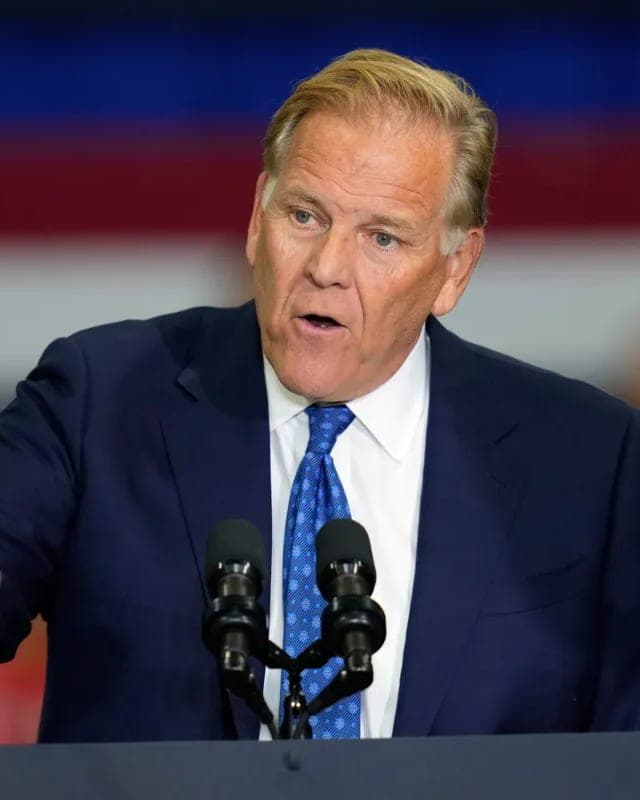
- Readers of left-leaning coverage: 33% good look
- Readers of right-leaning coverage: not enough votes yet
People in this story
SWIPE →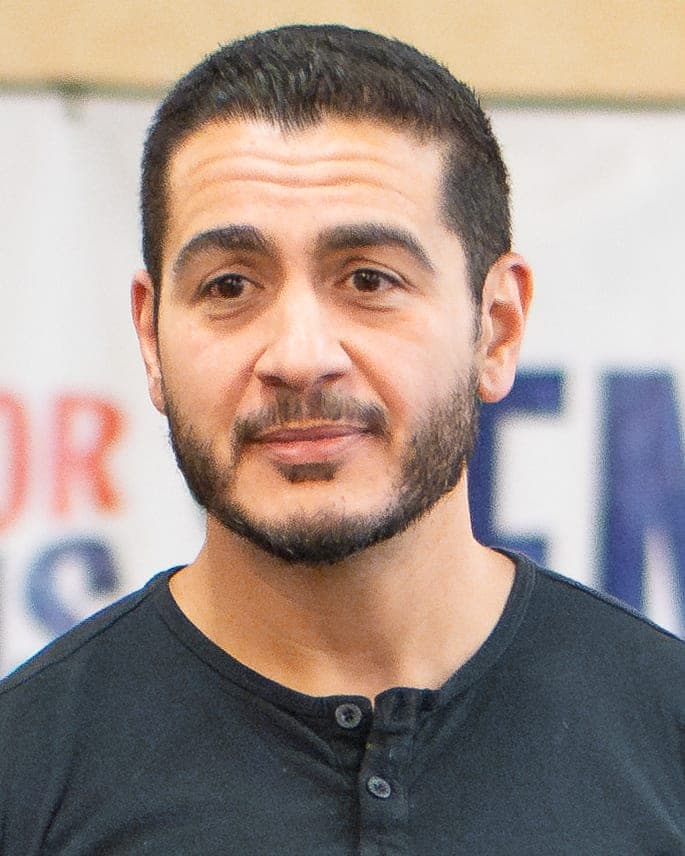
Democratic candidate for U.S. Senate in Michigan
El-Sayed's version of this story ↗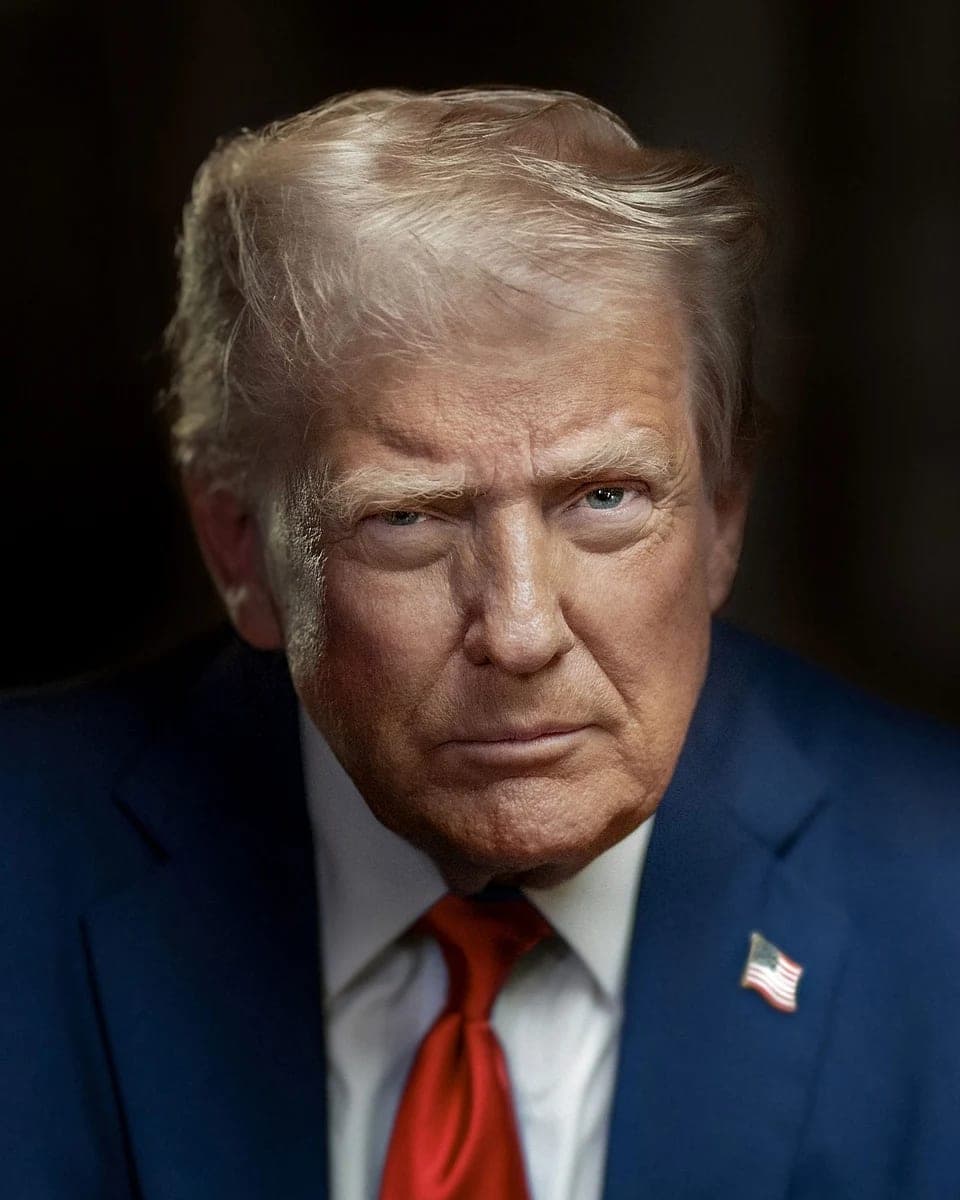
President whose tariffs and attacks on El-Sayed form campaign context
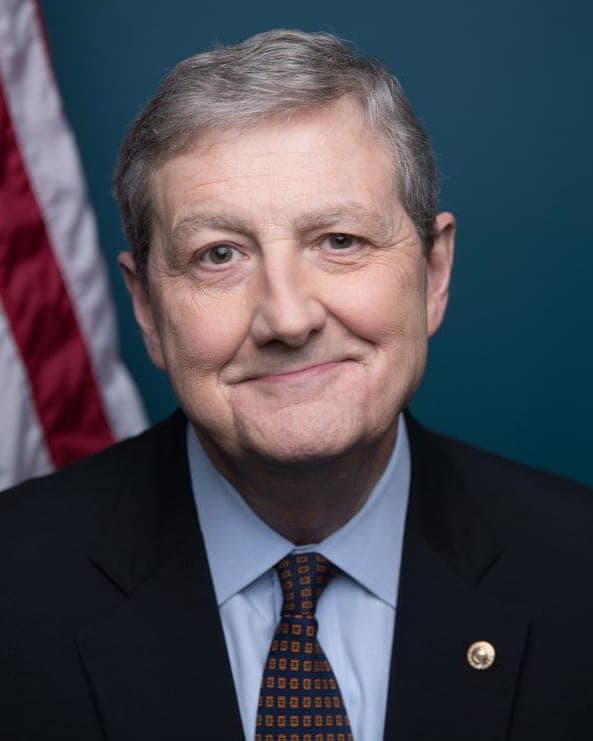
Republican senator from Louisiana who appeared with Rogers
Discussion · 0
Loading comments…