AI Data Centers Lose Right to Build in Virginia as Senate Stalls Ratepayer Bill
He sought Senate passage of the ratepayer bill and said he would keep working to advance the issue.

SOURCE CHECK
TAP FOR WHYTech Times is identified as trade press, with no publisher track-record rating available here. The page provides an author byline and names sources, but the supplied information does not establish the outlet’s correction practices or broader editorial record.
- Source type — Trade press is a useful but broad category; it supports a moderate baseline rather than a high institutional rating.
- Transparency — The article identifies research organizations, polls, firms and public officials behind many claims, though the supplied page text does not show links or supporting documents.
- Author attribution — The article names an author, Devin Culbertson.
- Track record — Publisher credibility is not rated yet, so there is no site-provided track record to strengthen or weaken the baseline.
The article gives specific figures and attributes claims to named polls, research organizations, firms and public officials. It explains the competing federal proposals and includes an industry trade group’s objection, but offers limited direct comment from data-center companies or other opponents of the restrictions, and many claims rely on summarized third-party research.
HOW WE SCORE ↗The story presents the costs and transparency concerns driving opposition and explains the competing federal proposals, including an industry group’s objection to a narrower bill. The overall account favors the concerns of communities and ratepayers, with limited direct representation of data-center developers or other supporters of expansion.
- Source diversity — Draws on polls, research organizations, firms, officials and a trade group, but gives limited direct voice to companies building data centers.
- Framing — The article foregrounds community and ratepayer harms and treats process reforms favorably.
- Counterarguments presented — Includes the industry coalition’s concern that a data-center-specific bill would create an uneven competitive playing field.
- Loaded language — Generally uses explanatory language, though some headings and descriptions cast the conflict in terms favorable to community opposition.
The article is largely explanatory and does not present a clear partisan viewpoint. Its framing gives substantial emphasis to community opposition, ratepayer costs and regulatory accountability, with comparatively little direct attention to the case for rapid data-center development.
- Framing — Centers costs, transparency and local resistance while treating limits on development as an accountability response.
- Language tone — Mostly explanatory, with occasional favorable framing of community opposition and tighter oversight.
- Source selection — Uses research and polling alongside official statements, but includes limited direct industry perspective beyond a trade-group position.
Virginia’s new data-center restrictions coincide with a Senate impasse over federal rules for who pays for grid upgrades. The article says the dispute leaves ratepayers without immediate federal protection while communities and lawmakers debate the costs and approval process for AI data centers.
Virginia Governor Abigail Davis Spanberger signed an executive order barring state agencies from using nondisclosure agreements in data-center dealings and directing other oversight measures; Prince William County separately voted to require special-use permits for future data-center projects. The article says the order does not impose a moratorium and that proposed statewide legislation has not become law.
The House passed the Ratepayer Protection Act 417 to 3, but the Senate did not pass it by unanimous consent. Martin Heinrich argued that the bill’s approach of asking states to consider a standard was insufficient and offered the GRID Savings Act, which would make the requirement mandatory; Jon Husted said he would continue pushing the issue. The article says the impasse leaves ratepayers without immediate federal protection against grid-upgrade costs being spread across utility customers.
Community verdict
5 VOTES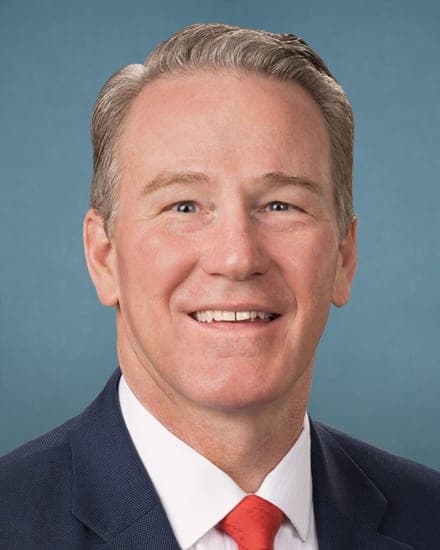
People in this story
SWIPE →Senator and sponsor of the ratepayer bill who sought unanimous consent to pass it
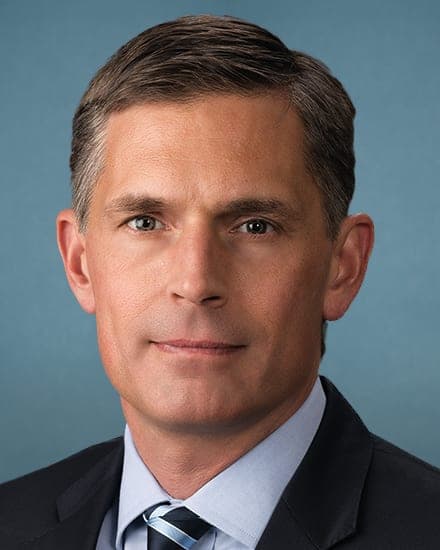
Senator who objected to the unanimous-consent request and proposed a stricter alternative bill
Heinrich's version of this story ↗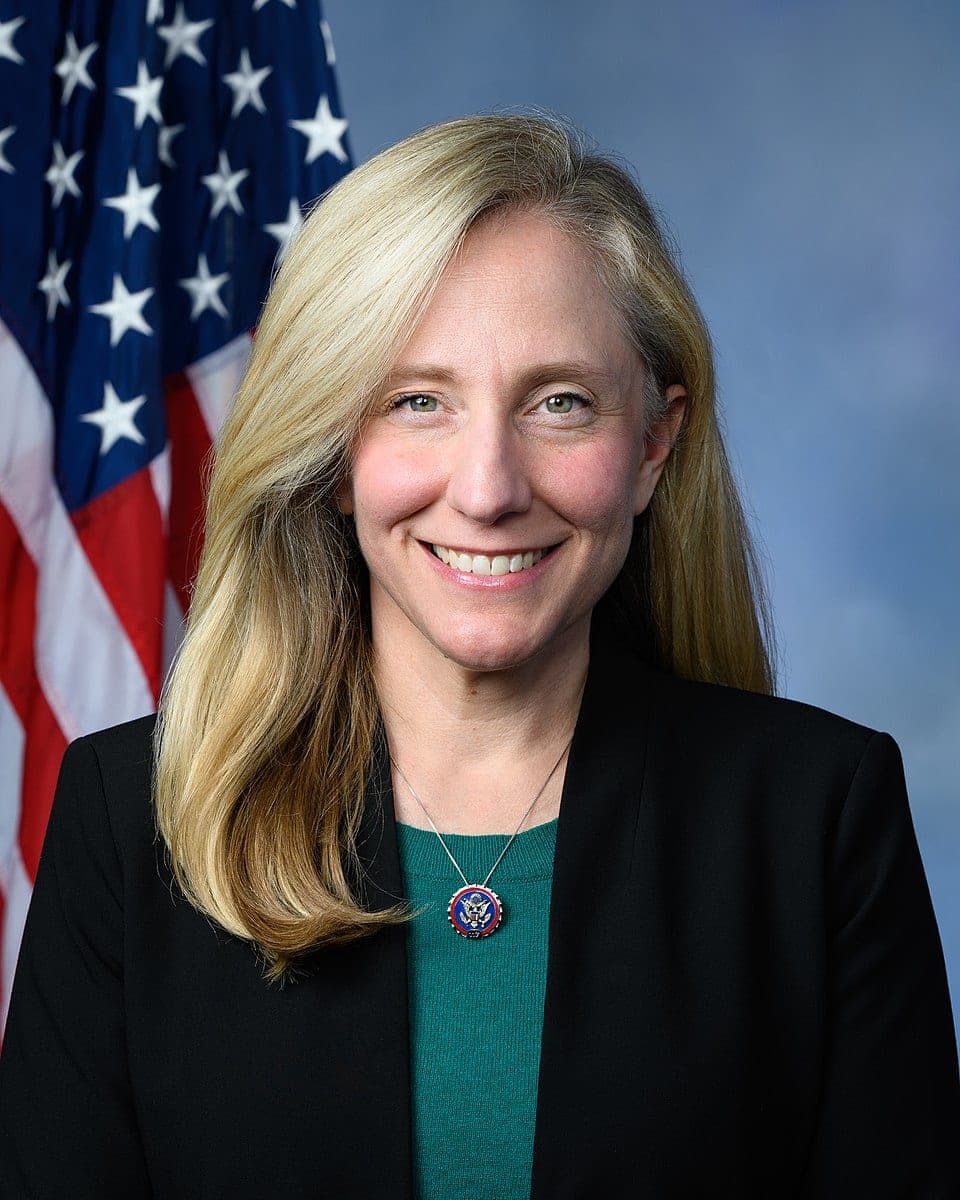
Virginia governor who issued data-center oversight measures
Spanberger's version of this story ↗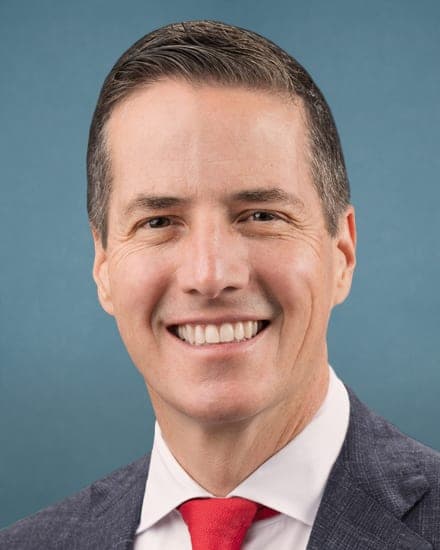
Senator who blocked Heinrich’s alternative bill

President who publicly encouraged communities to accept data centers
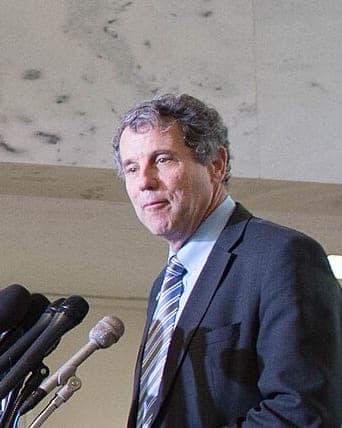
Democratic Senate candidate challenging Jon Husted

House committee ranking member who criticized the ratepayer bill as insufficient
Discussion · 0
Loading comments…