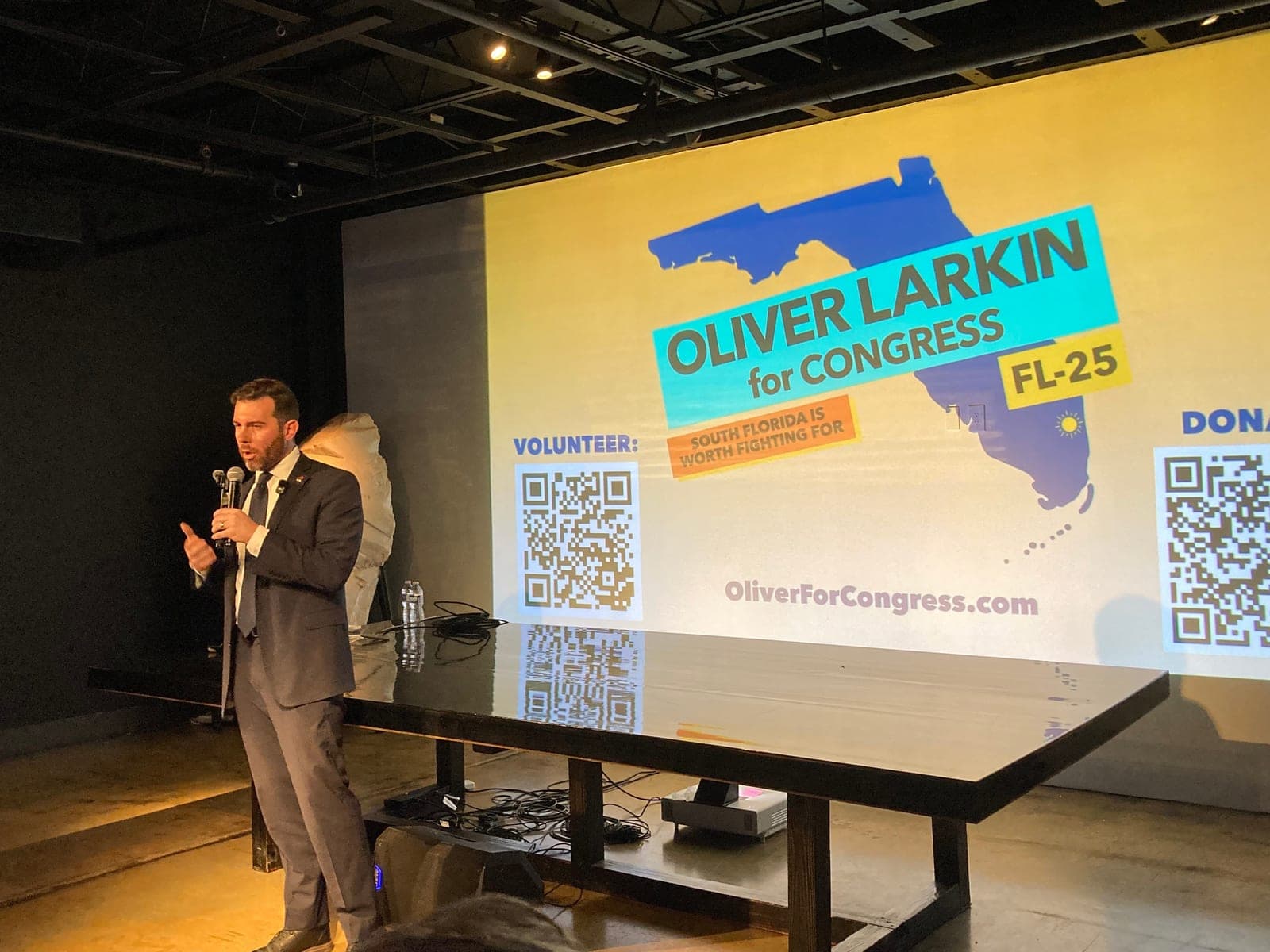
Oliver Larkin backs Democratic ticket after primary loss
After losing the primary, Larkin said he would support the Democratic ticket and focus on helping its candidates.
SOURCE CHECK
TAP FOR WHYThe Sun Sentinel is an established regional newspaper, and this article has a named reporter and reports specific election results alongside attributed remarks. Its reporting is reasonably transparent, though this piece gives more space to Larkin’s views than to responses from the other candidates.
- Track record — Established regional newspaper with a history of local reporting.
- Author attribution — A named journalist is credited with the report.
- Editorial standards — The article distinguishes reported results from attributed claims and quotations.
- Source type — Local-news reporting is a credible source type, though its reach is regional.
The report provides precise primary-election results and attributes its central assessments to Larkin and Singer. It includes useful race context, but offers limited direct response from Moskowitz or Nixon and relies substantially on Larkin’s perspective.
HOW WE SCORE ↗The article includes Larkin’s view, details about Moskowitz’s campaign conduct, Singer’s remarks, and the primary result. Larkin’s perspective dominates, and there is little direct response from the other candidates to his claims.
- Source diversity — Multiple candidates’ positions and statements appear, but Larkin receives the most attention.
- Counterarguments presented — Singer’s contrasting account is included, while current direct responses from Moskowitz and Nixon are limited.
- Loaded language — Partisan terms are quoted or attributed rather than used as the article’s own framing.
- Omitted context — The article gives election and race context but does not develop all candidates’ perspectives equally.
The article uses mostly neutral reporting language and attributes partisan characterizations to the people making them. Its selection of context does not establish a clear political lean.
- Language tone — Mostly straightforward language, with charged descriptions presented as attributed remarks.
- Source selection — Includes comments from Larkin and Singer and reports Moskowitz’s prior response and primary result.
- Framing — Centers on Larkin’s post-primary position without adopting his political characterizations as fact.
After losing the Democratic primary, Oliver Larkin said he would support the party’s ticket, including Jared Moskowitz, and focus on helping Senate nominee Angie Nixon. He said keeping the congressional district Democratic and electing Nixon were priorities.
Oliver Larkin said he would stand by the Democratic ticket after losing the congressional primary to Jared Moskowitz. Larkin said he viewed Republican nominee Scott Singer and House Speaker Mike Johnson as a greater threat than his differences with Moskowitz. Moskowitz won the primary, 63.5% to 36.5%.
Larkin said he was concerned about primary turnout and was focused on supporting Senate nominee Angie Nixon. He praised Nixon’s grassroots organizing and said he was optimistic about her campaign. The article also reports that Singer called the district increasingly Republican and described the Democratic Party as socialist-led.
Community verdict
10 VOTESPeople in this story
SWIPE →House candidate who lost the Democratic primary and then pledged support for the Democratic ticket.

House Speaker whom Larkin named as part of the Republican opposition.

President cited for urging Republican-controlled states to redraw congressional districts.
Republican nominee challenging Moskowitz for the congressional seat.
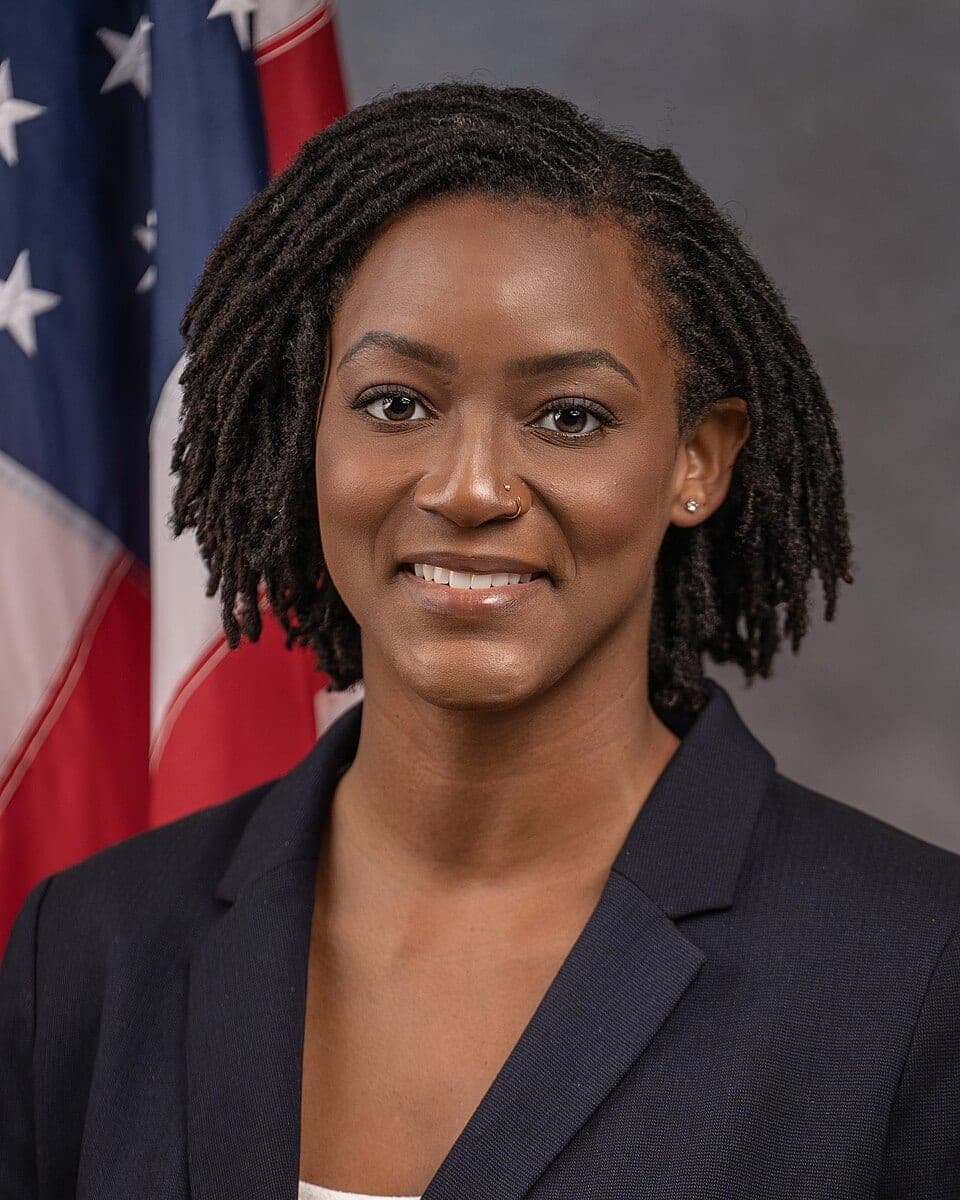
Democratic Senate nominee whom Larkin said he was supporting.
Florida governor whose aide drafted the map that created the district.
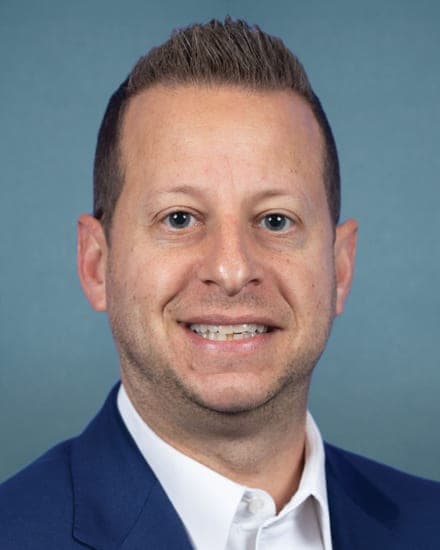
Democratic incumbent who defeated Larkin in the primary.
Senate primary candidate whom Nixon defeated.
Discussion · 0
Loading comments…