US is 'superhero', China 'supervillain' in global AI contest, American officials warn
Mast argued that U.S. actions will determine whether AI strengthens the country or creates a threat.
SOURCE CHECK
TAP FOR WHYThe South China Morning Post is an established news organization with an identified author and a record of reporting. This article attributes its main claims to named officials, though it offers limited independent sourcing or perspectives from China.
- Source type — An established international newspaper with a substantial news operation.
- Editorial standards — The publisher has established newsroom standards, though this article's reporting is largely based on officials' remarks.
- Author attribution — A named reporter is credited.
- Source diversity — The article names U.S. officials but includes no direct Chinese or independent expert perspective.
The article gives attributed remarks from several named U.S. officials and useful background on differences in U.S. and Chinese AI development. Its account relies heavily on official statements and does not include Chinese officials, independent experts or a detailed examination of the policies’ effects.
HOW WE SCORE ↗The article supplies context on the approaches of both countries and attributes the officials’ assessments, but the quoted voices and policy discussion are overwhelmingly American. There is no direct Chinese perspective or independent assessment of the competition.
- Source diversity — The named speakers are U.S. officials; Chinese officials and independent experts are absent.
- Counterarguments presented — The article describes Chinese AI approaches but does not present a counterargument to U.S. officials’ warnings.
- Loaded language — Dramatic superhero and supervillain language is quoted and attributed to Mast.
- Omitted context — The article provides limited examination of the consequences or competing views on export controls and AI policy.
The article reports U.S. officials’ warnings and policy context in mostly neutral language. It does not clearly endorse or oppose their framing of China or the AI competition.
- Language tone — The superhero and supervillain language is directly attributed to Mast rather than adopted as the article’s own framing.
- Source selection — The quoted speakers are U.S. officials; no Chinese officials or independent commentators are quoted.
- Framing — The story presents the remarks alongside background on both countries’ AI development approaches without an explicit editorial conclusion.
At a Hudson Institute event, Representative Brian Mast and Senator Jim Banks warned that the United States must maintain its lead over China in artificial intelligence. The article places their remarks amid debate over U.S. export controls and the Trump administration’s approach to AI competition.
Mast described the United States as a “superhero” and China as a “supervillain” in the AI contest, while Banks called the competition economic, national-security and moral in nature. The two lawmakers made their remarks at a Hudson Institute event on U.S. export-control policy. Treasury Secretary Scott Bessent had recently described China getting ahead as America’s biggest AI risk.
The article contrasts the U.S. sector’s reliance on private investment with China’s emphasis on open models, industrial deployment and government subsidies. It also describes the Trump administration’s controls on advanced chip exports to China and a recent executive order asking companies to voluntarily share advanced models before release.
Community verdict
23 VOTES
People in this story
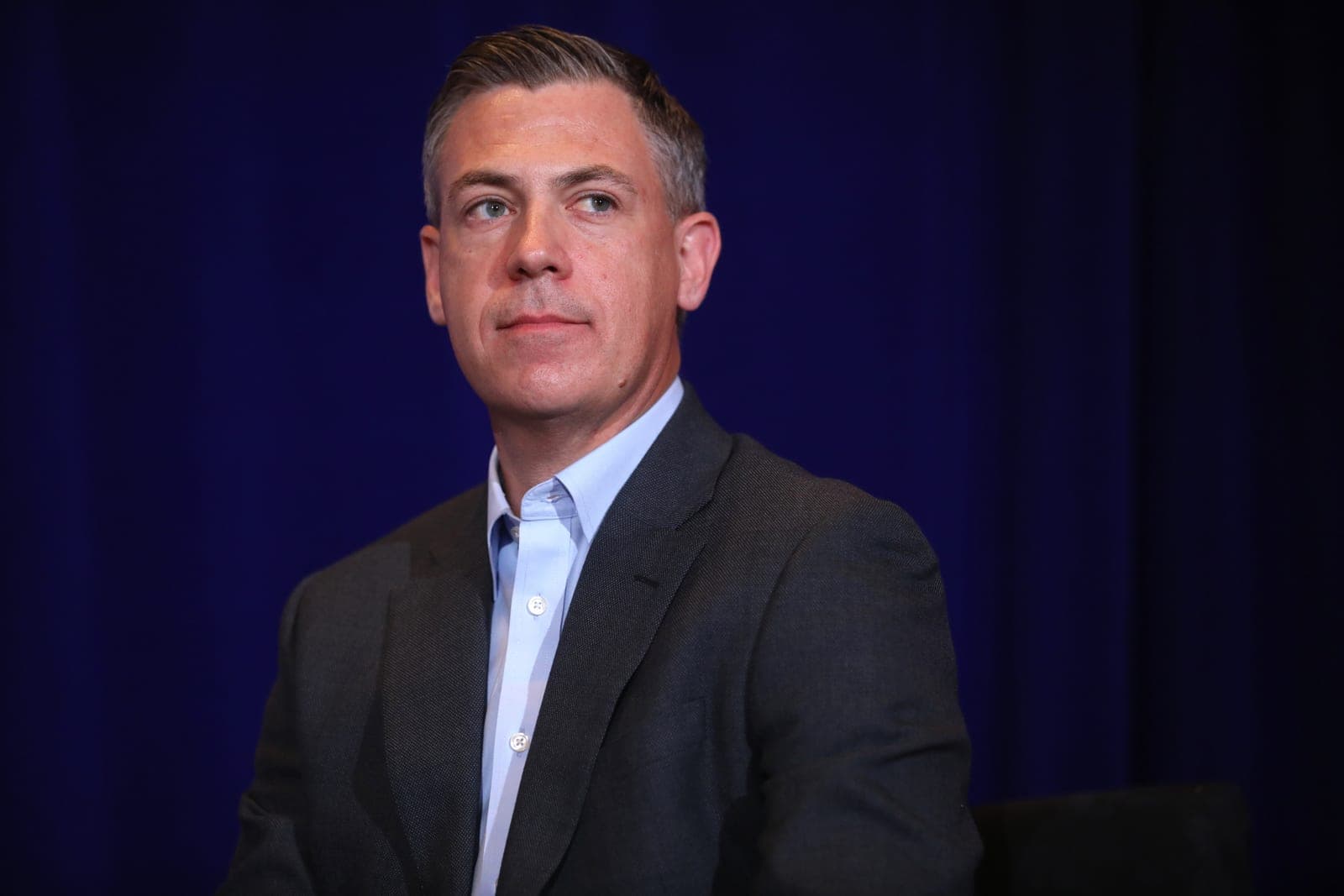
SWIPE →House Foreign Affairs Committee chairman warning about the U.S. position in the AI contest with China
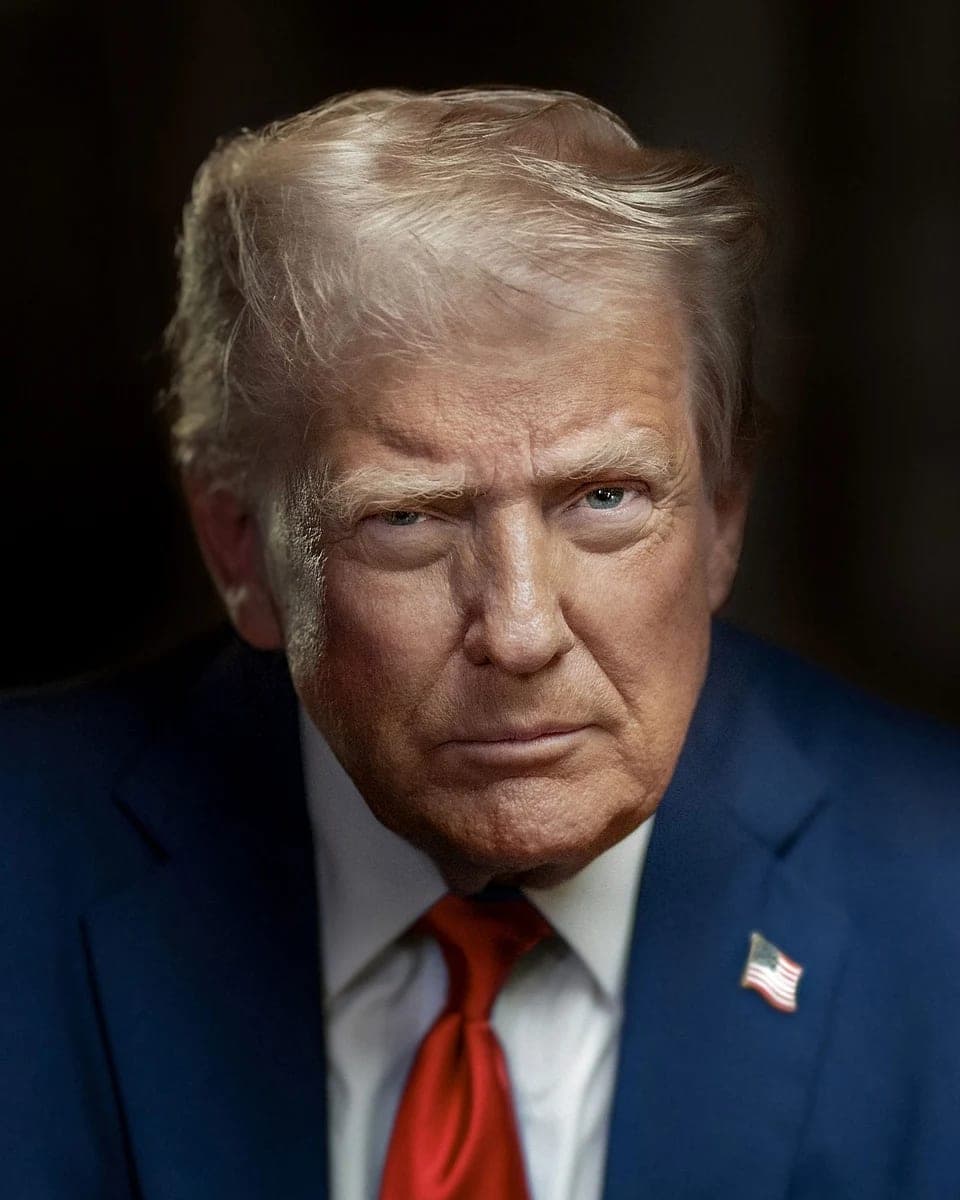
President whose administration maintains chip export controls and recently issued an AI executive order
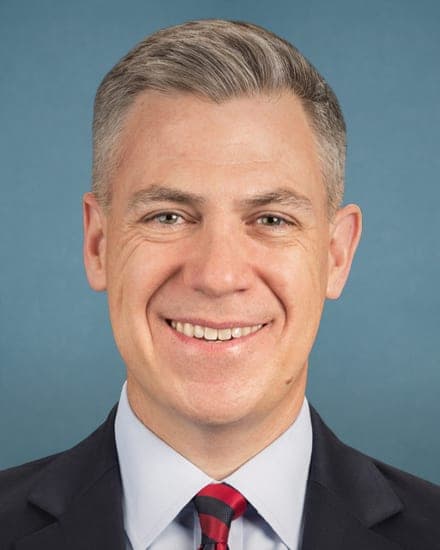
Senator warning that the United States cannot afford to lose the AI contest to China
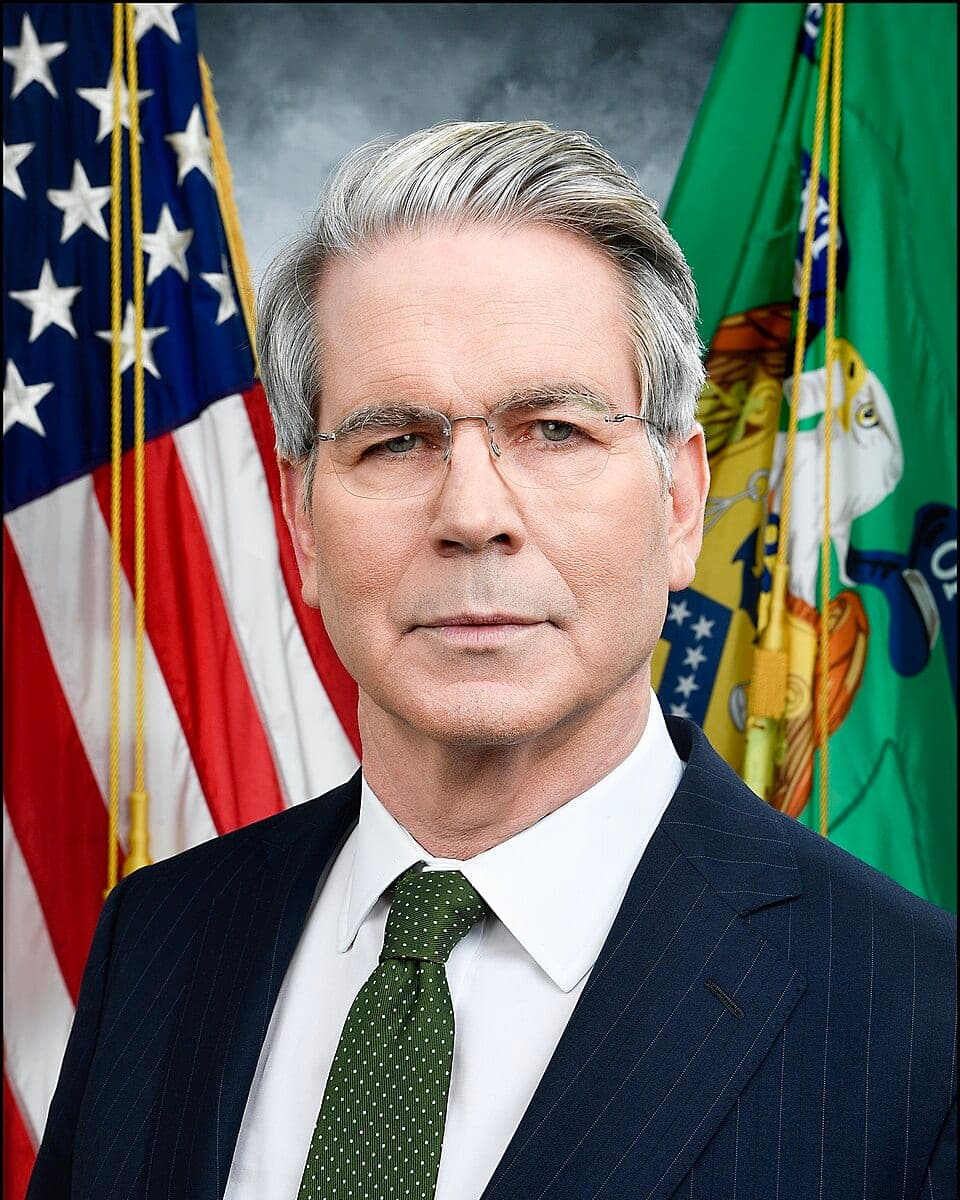
Treasury secretary who described China getting ahead in AI as a major U.S. risk
Discussion · 0
Loading comments…