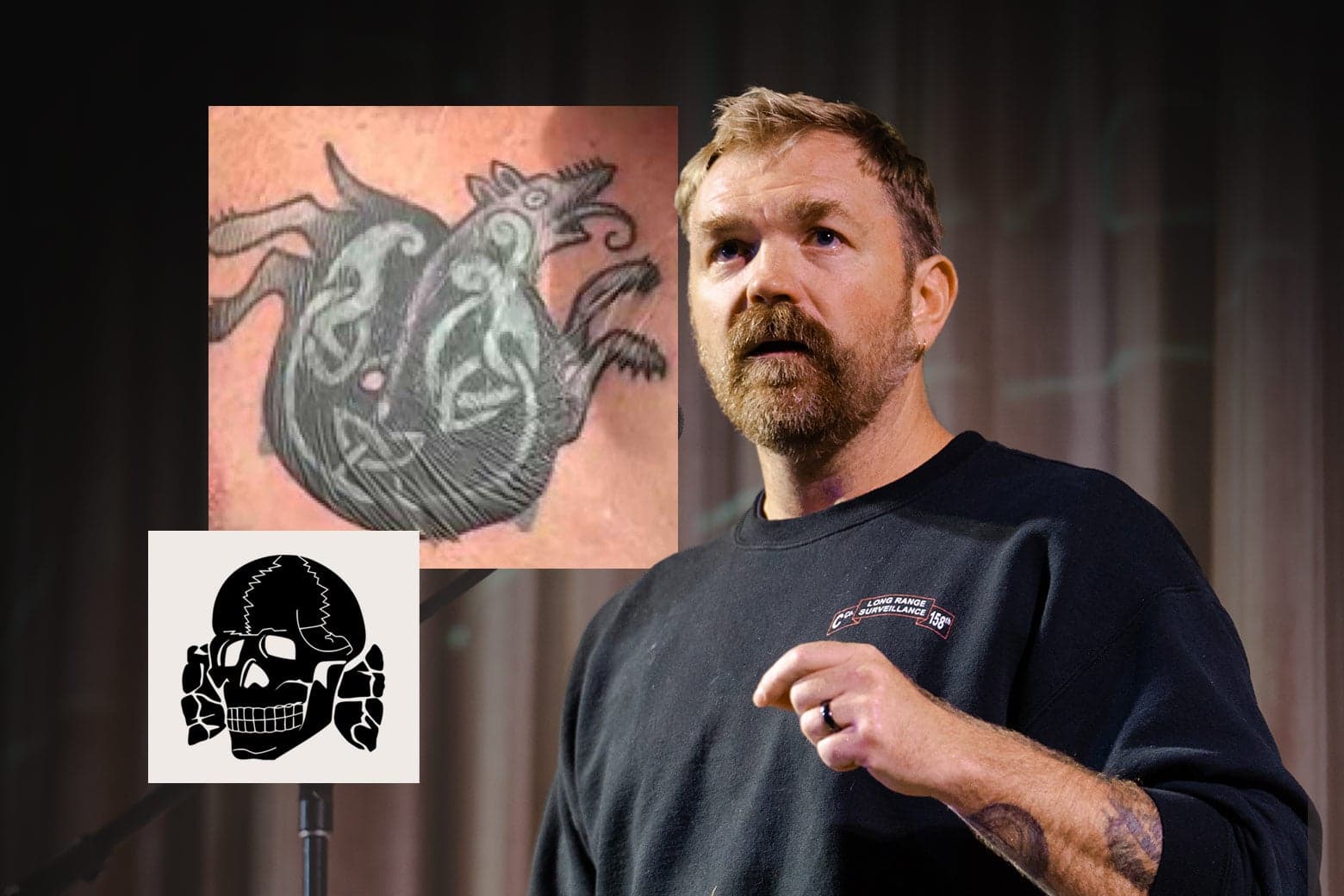
Maine voters have gotten over Graham Platner's Nazi tattoo. The rest of us should follow.
The essay argues that Platner’s strength in the primary shows voters are moving past controversy over his tattoo and old online posts.
SOURCE CHECK
TAP FOR WHYSlate is an established national publication with editorial standards and identified authors, though this is an opinion essay rather than independent news reporting.
- Source type — Established national publication; the opinion designation appropriately distinguishes argument from straight reporting.
- Editorial standards — A recognized publication with an editorial operation, though this piece advances the author's view.
- Author attribution — The article identifies its author.
The essay presents a clear argument and refers to polling and public posts, but relies heavily on the author’s interpretation and selected examples, with limited competing perspectives or examination of the polling evidence.
HOW WE SCORE ↗This is an argument for forgiving Platner and discounting online opposition. It acknowledges why the tattoo raises concerns, but does not substantially present opposing perspectives or test the essay’s interpretation.
- Opinion vs reporting — The piece openly advances the author's view that readers should follow voters in moving past the controversy.
- Counterarguments presented — It acknowledges that concerns about the tattoo are understandable, but gives little space to arguments against Platner.
- Source diversity — The argument draws on polling and selected social-media posts, with few independently represented viewpoints.
- Loaded language — Terms such as “moral purists” and “precious and annoying” reinforce the author's position.
The essay favors a Democratic Senate candidate and urges readers to accept his continued political viability, while criticizing online progressive norms. Its framing is left-of-center but skeptical of some progressive culture.
- Framing — The author argues that voters should look beyond Platner’s tattoo and reconsider the online backlash.
- Language tone — The essay criticizes Bluesky liberalism and describes its critics of Platner as out of touch.
- Source selection — It relies on polling, social-media examples and sympathetic commentary about Platner, without comparable opposing voices.
Luke Winkie argues that Graham Platner’s strong standing in Maine’s Democratic Senate primary shows many voters have moved past his Nazi-associated tattoo, despite intense criticism on Bluesky. The essay urges liberals to reconsider their reaction to his past conduct.
Winkie recounts that Platner’s Totenkopf tattoo became public the previous October and says Platner’s campaign continued despite pressure to leave the race. The essay describes him as leading Janet Mills in polls and argues that voters’ response contrasts with the sharp criticism of Platner on Bluesky.
Community verdict
VOTING CLOSED
No good or bad look here
This story reports what happened without casting Platner in a good or bad light, so readers don’t rate it and it doesn’t count toward Platner’s record.
People in this story
SWIPE →
Maine senator and potential general-election opponent

President of the United States

Maine governor and Democratic Senate candidate
Part of a bigger story
6 OUTLETSCenter and right-leaning outlets report that Platner took part in a campaign rally in Portland. Left-leaning outlets present Platner's primary strength as evidence that voters are moving past his tattoo and old online posts. Center outlets cover his campaign, Warren's planned rally with him, and Janet Mills's criticism over age-related remarks alongside his campaign's denial. Right-leaning outlets cast the rally gesture as a test of whether media scrutinize Democrats and Republicans equally, while their accounts differ in how they characterize the gesture.
- ARTICLES
- 7
- OUTLETS
- 6
- AVG CRED
- 65
Discussion · 0
Loading comments…