Abdul El-Sayed needs Jewish voters in Michigan's Senate race. The Israeli–Palestinian conflict is making that more difficult.
Moss says El-Sayed needs to reach out to Jewish voters before he is ready to endorse him.
SOURCE CHECK
TAP FOR WHYSlate is an established national publication with editorial standards, and the article identifies its author and attributes statements to named sources. Its opinion source-type rating is a reason for some caution, though the piece includes original interviews and reported context.
- Source type — An established national publication, with the source recorded as opinion.
- Transparency — Statements are attributed to named speakers and outlets.
- Author attribution — The article names Ben Jacobs as author.
- Track record — No publisher-specific rating is provided in the metadata.
The article draws on an interview with Moss, quotes El-Sayed’s public remarks, and supplies relevant campaign and community context. Moss’s perspective dominates, and the article does not include a response from El-Sayed or his campaign to the concerns described.
HOW WE SCORE ↗The article provides context about both Jewish and Muslim communities and quotes El-Sayed’s public statements, but Moss’s viewpoint drives the piece. The concerns raised about El-Sayed are not answered by him or his campaign in the article.
- Counterarguments presented — El-Sayed’s views are quoted, but there is no direct response to the concerns raised about him.
- Source diversity — The central interview is with Moss; the article also cites El-Sayed’s prior comments and broader community context.
- Loaded language — Some language characterizing El-Sayed’s Israel criticism is strongly critical.
- Omitted context — The article does not include a response from El-Sayed or his campaign.
The article is written as reported political analysis, but its framing gives considerable weight to Jewish community concerns and presents El-Sayed’s criticism of Israel in strongly critical terms. It includes some context about Muslim Americans and the broader conflict, without a direct response from El-Sayed.
- Framing — The story centers concerns about antisemitism and Jewish voters’ response to El-Sayed’s rhetoric.
- Language tone — Some descriptions, including “virulent critic,” frame El-Sayed’s position critically.
- Source selection — Moss is the main interview source; El-Sayed is represented through prior public remarks.
- Omission — No response from El-Sayed or his campaign to the concerns is included.
Michigan Democrat Jeremy Moss says he is not ready to endorse Senate nominee Abdul El-Sayed, citing Jewish voters’ concerns about El-Sayed’s rhetoric on Israel. Moss says outreach is needed as Democrats try to defeat Mike Rogers and ease tensions in metro Detroit.
Jeremy Moss, the Democratic nominee for a Michigan congressional seat, says he shares some progressive priorities with Senate nominee Abdul El-Sayed but has not endorsed him. Moss says El-Sayed needs to demonstrate serious outreach to Oakland County’s Jewish community. The article reports that some Jewish community members are wary of El-Sayed’s criticism of Israel and his campaign appearance with Hasan Piker.
Moss says he wants Democrats to defeat Republican Senate candidate Mike Rogers while addressing divisions between Jewish and Arab American communities. The article also describes the recent primary campaigns of Moss and El-Sayed, including El-Sayed’s victory over Representative Haley Stevens and allegations of antisemitic attacks against Moss during his primary.
Community verdict
7 VOTES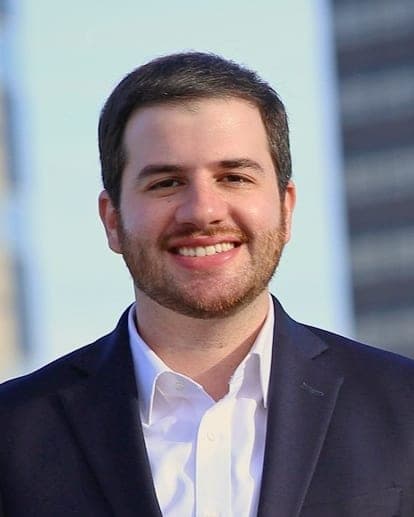
People in this story
SWIPE →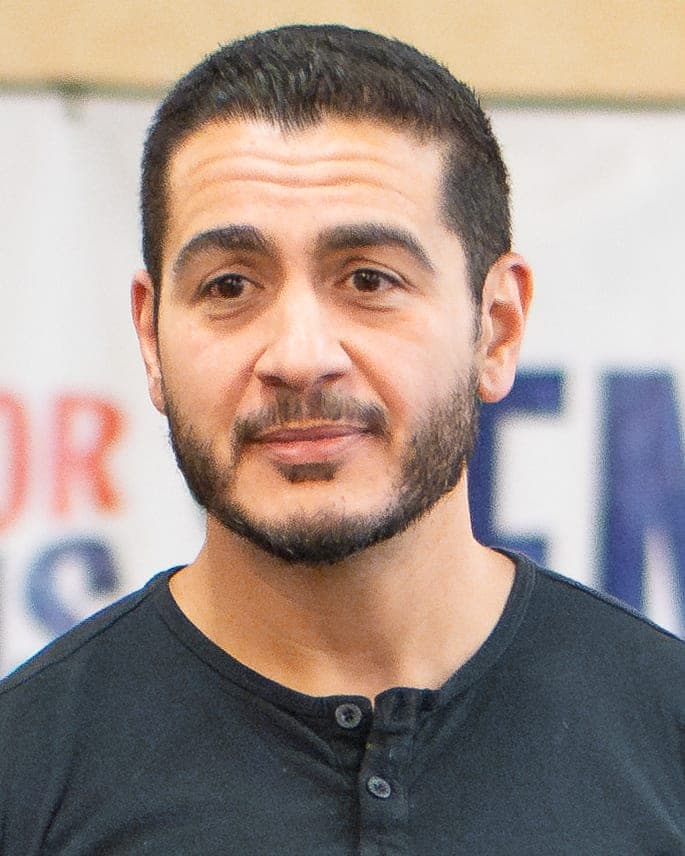
Democratic Senate nominee whose Israel-related rhetoric is at the center of the endorsement dispute
El-Sayed's version of this story ↗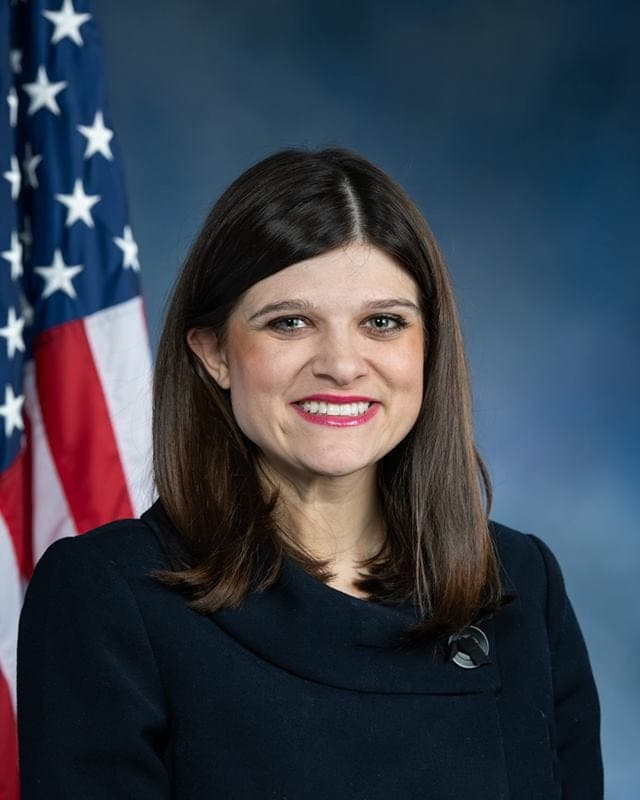
Representative and El-Sayed’s pro-Israel opponent in the Democratic Senate primary
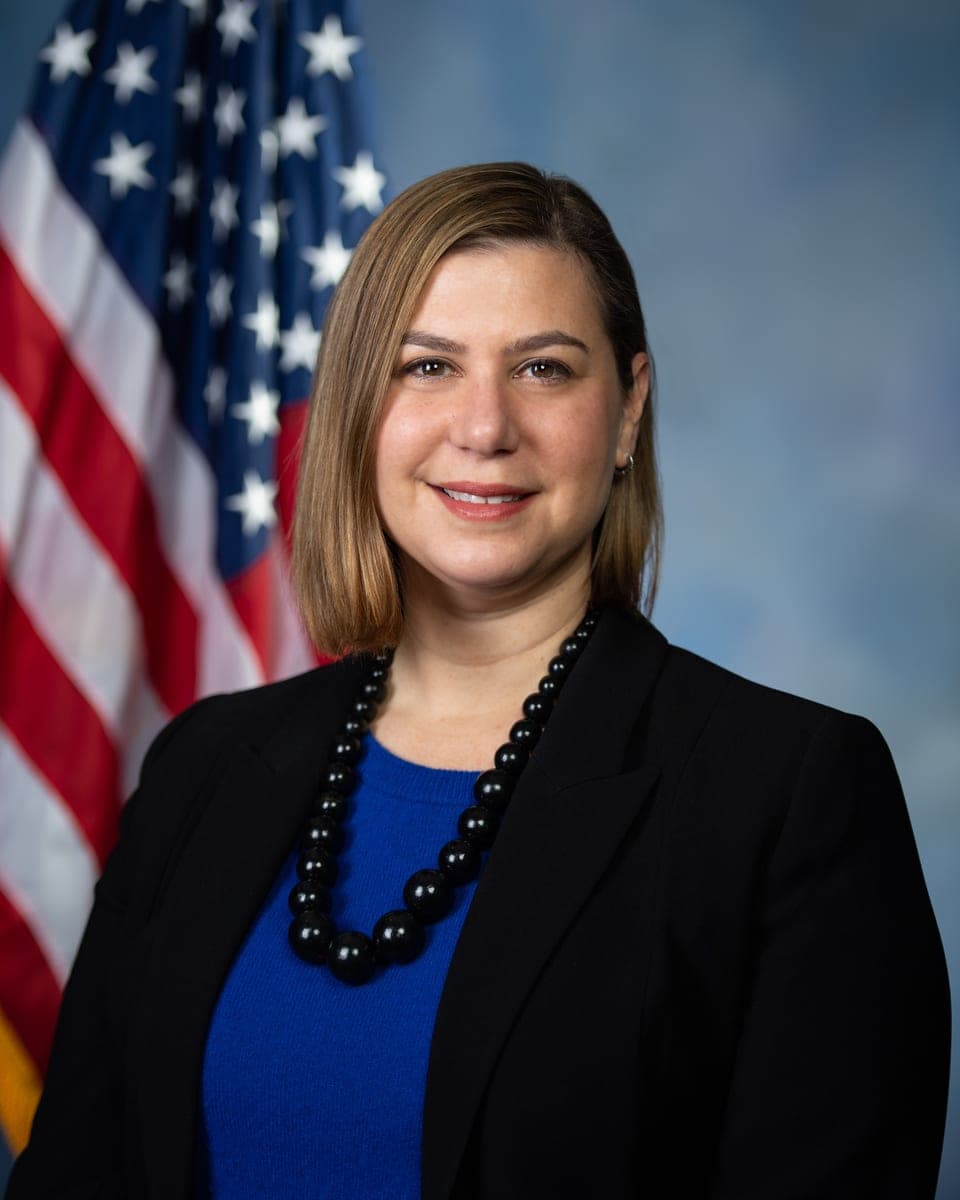
Michigan senator who defeated Rogers in the 2024 Senate race

President criticized by Moss and invoked as a reason to elect Democrats
Republican Senate candidate opposing El-Sayed
Discussion · 0
Loading comments…