House votes to release the infamous Epstein files
Grijalva supplied the final signature needed to force a vote and spoke in support of survivors and public disclosure.
SOURCE CHECK
TAP FOR WHYRolling Out publishes an attributed report with a named author and cites ABC News, but the article provides limited sourcing and little indication of its reporting or corrections practices.
- Source type — Recorded as a national news outlet, though this article has limited original reporting detail.
- Source selection — The article attributes one detail to ABC News and quotes lawmakers, but offers few independent sources.
- Author attribution — A named author is credited.
- Editorial standards — The article does not establish its correction practices or editorial standards.
The report gives the vote tally, quotes lawmakers with differing positions, and describes the bill’s next step. Its sourcing is narrow, with limited independent verification and little detail about the bill’s provisions beyond redactions.
HOW WE SCORE ↗The article includes Higgins’s privacy objection and supporters’ response, alongside lawmakers’ calls for disclosure. It does not provide much independent context or a response from Trump to the obstruction accusation.
- Counterarguments presented — Higgins’s stated privacy concerns are presented alongside supporters’ view that the bill already addresses them.
- Source diversity — Most sources are lawmakers on or around the bill; independent and executive-branch perspectives are limited.
- Omitted context — The report gives little detail about the bill’s text or the basis for the obstruction allegation.
- Loaded language — Some strong language appears, mainly in the headline and attributed quotations.
The article largely reports the vote and attributes lawmakers’ claims. The headline’s word “infamous” and the quoted accusations add some charged language, but the overall framing is not clearly partisan.
- Language tone — Mostly factual language, with “infamous” in the headline and charged language inside attributed quotations.
- Source selection — Quotes a dissenter, supporters, and Democrats criticizing Trump, but includes limited independent sourcing.
- Framing — Frames the vote as a bipartisan transparency effort and reports the next legislative step.
The House voted 427–1 to require the Justice Department to release files related to Jeffrey Epstein’s investigation. The measure now goes to the Senate, while lawmakers and survivors press for disclosure.
The House approved the measure 427–1, with Rep. Clay Higgins the only lawmaker voting against it. Higgins said he opposed the bill because he believed it did not adequately protect victims and other people named in investigative materials; supporters said the bill already provides for redactions.
Rep. Adelita Grijalva, whose signature on a discharge petition forced a floor vote, spoke in support of survivors and public access to the truth. The bill now goes to the Senate. President Donald Trump, who had initially resisted the effort, later endorsed the bill and said he would sign it; Rep. Robert Garcia accused Trump of trying to obstruct the investigation.
Community verdict
20 VOTES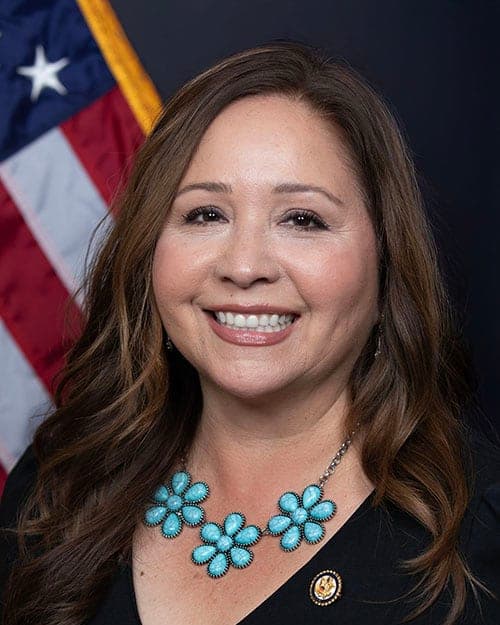
People in this story
SWIPE →Representative whose discharge-petition signature forced a vote

President who initially resisted the effort, later endorsed the bill, and said he would sign it
Trump's version of this story ↗
Representative who cast the sole vote against the bill
Higgins's version of this story ↗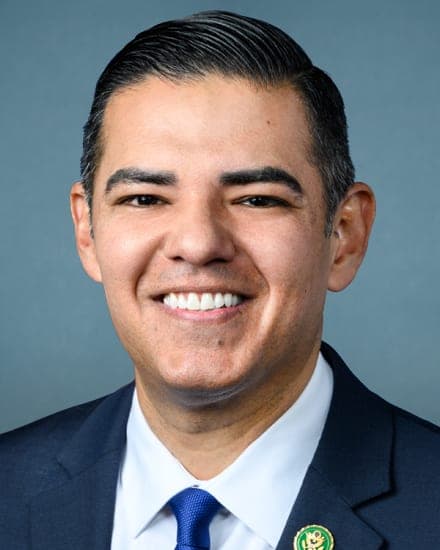
Representative who urged Senate action and accused Trump of trying to obstruct the investigation
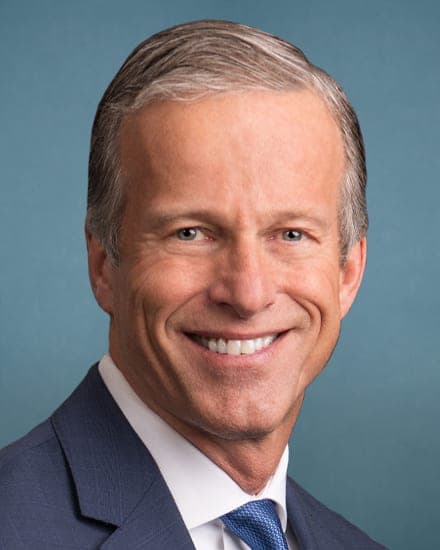
Senate Majority Leader urged by the bill’s sponsors to bring it up
Discussion · 0
Loading comments…