‘Save the Senate’? Duo floats big changes to chamber rules
Daines joined Jeff Merkley in proposing changes to Senate procedures intended to reduce delays and encourage bipartisan work.

SOURCE CHECK
TAP FOR WHYRoll Call is an established news outlet focused on Congress, and the article identifies its reporter. The story attributes the proposal's claims to the senators and their published document, though it offers limited independent or opposing perspectives.
- Source type — Established national news outlet with a focus on Congress.
- Editorial standards — The report attributes the proposal and its claims to the senators rather than presenting them as independently verified outcomes.
- Author attribution — A named reporter is credited.
- Source diversity — The article gives little space to opposing or independent views on the proposed rules.
The article clearly explains the proposed procedural changes and attributes the proponents’ rationale to their document and statements. It provides little independent context or counterargument about the potential effects of the reforms.
HOW WE SCORE ↗The article explains the proposal and its sponsors’ reasoning, and notes the institutional obstacles to its adoption. It does not include a critic or an independent assessment of how the changes might affect Senate debate or minority-party rights.
- Counterarguments presented — No direct criticism of the proposal is included.
- Source diversity — Most quoted perspectives come from Merkley and Daines.
- Opinion vs reporting — The article is reported as news and distinguishes the senators’ claims from the article’s description.
- Loaded language — The framing is mostly restrained, although it describes the proposal as sweeping and unlikely to become reality soon.
The report uses restrained language and presents the proposal and its rationale without endorsing it. It notes that the plan is unlikely to become reality soon, but does not use that assessment to argue for or against the reforms.
- Language tone — The article uses largely neutral, descriptive language.
- Framing — The proposal is described through its stated goals and specific procedural changes.
- Source selection — The article relies heavily on the proponents’ words and includes little independent or opposing commentary.
Sens. Jeff Merkley and Steve Daines have proposed changes to Senate rules, including eliminating some cloture votes and creating a faster path for certain bills. They say the reforms would encourage bipartisan work and reduce procedural delays, though the article says the plan is unlikely to be adopted soon.
Merkley and Daines released a proposal to overhaul Senate rules, arguing that the chamber faces an excessive workload and political polarization. Their plan would eliminate cloture votes on motions to proceed, amendments and nominations, remove the intervening day before a vote to break a filibuster, and condense debate time. They also propose a Senate version of the House suspension calendar, allowing certain bills to pass with a two-thirds vote and especially bipartisan bills to advance with a majority.
The senators said their proposal would incentivize bipartisan cooperation, strengthen committees and reduce procedural delays. They also argued that both parties share responsibility for Senate dysfunction. The article describes the blueprint as unlikely to become reality soon, noting the power of Senate norms and traditions.
Community verdict
11 VOTES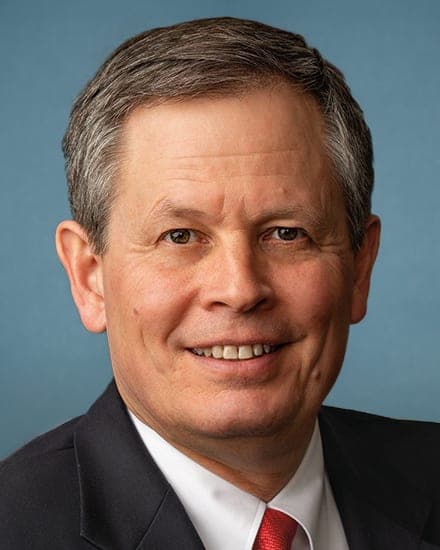
Counts every outlet’s report of this story. See all 8
Votes cast on this page
Votes cast on this page: ▲ 0 · ◆ 0 · ▼ 0
People in this story
SWIPE →Montana senator proposing changes to Senate rules with Jeff Merkley

Oregon senator proposing changes to Senate rules with Steve Daines
Merkley's version of this story ↗Part of a bigger story
8 OUTLETSSteve Daines and Jeff Merkley proposed bipartisan changes to Senate rules intended to speed consideration of legislation. Center outlets describe the proposal as a bipartisan effort to speed Senate business, detailing its procedures and prospects for adoption. Right-leaning outlets also emphasize faster movement of bipartisan bills, while National Review explicitly endorses the package’s cross-party bargaining rationale.
- ARTICLES
- 8
- OUTLETS
- 8
- AVG CRED
- 73
Discussion · 0
Loading comments…