How curbing Congress' stock-trading took a partisan turn
Steil is leading a House proposal restricting new stock purchases by members of Congress, which is expected to receive a vote next week.

SOURCE CHECK
TAP FOR WHYRates the publisher's editorial standards, sourcing and transparency as they appear in this article. 0 = low, 100 = high.
- Source type — Established national publication specializing in congressional reporting.
- Author attribution — The article names its reporter.
- Editorial standards — Reports legislative details and attributes statements to identifiable lawmakers; one aide is anonymous.
- Transparency — The article distinguishes reported facts from claims and quotations, though it provides little documentary sourcing.
The article provides specific details about the proposal and gives voice to lawmakers on different sides of the debate. Its sourcing is largely political, with little independent analysis or documentary evidence, and one account of the planned voter-ID language is attributed to an unnamed aide.
HOW WE SCORE ↗The article includes competing Democratic and Republican perspectives and explains the proposal’s provisions. Its account relies mainly on lawmakers and does not offer much independent context or outside expertise.
- Counterarguments presented — Both supporters and critics of the bill are quoted or described.
- Source diversity — The sources are mostly elected officials, with one aide cited anonymously and no independent experts.
- Omitted context — The article gives limited detail on the proposal’s drafting or independent assessments of its likely effects.
- Loaded language — Some pointed language appears in lawmakers’ attributed quotations rather than the reporter’s narration.
The article describes the partisan disagreements in largely factual language and quotes lawmakers from both parties. It does not clearly endorse either side.
- Language tone — Mostly neutral reporting language, with evaluative claims attributed to lawmakers.
- Source selection — Includes statements and positions from Republicans and Democrats.
- Framing — Frames the proposal as a partisan dispute without explicitly favoring either party.
House lawmakers expect to vote next week on Bryan Steil’s stock-trading proposal, which would restrict new stock purchases by members of Congress but allow them to keep existing holdings. Democrats say the measure should also cover the president, and a planned voter-ID addition further divides the parties.
The Stop Insider Trading Act, led by House Administration Chair Bryan Steil, would bar members of Congress, their spouses and dependent children from buying new stocks while allowing them to keep stocks they already own and trade diversified funds. It is less restrictive than a bipartisan proposal that would require lawmakers to sell their stocks, and a House vote is expected next week.
Democrats argue a stock-trading restriction should also cover the president and other executive-branch officials. Republicans are considering adding voter-ID language to the bill, which the article says could make Democratic support less likely. Tim Burchett criticized the bill’s limits, while Josh Hawley called it a step forward; the measure would face a difficult path in the Senate.
Community verdict
27 VOTES
People in this story
SWIPE →
Republican critic of the bill’s limits

President referenced in the debate over stock-trading restrictions and voter ID
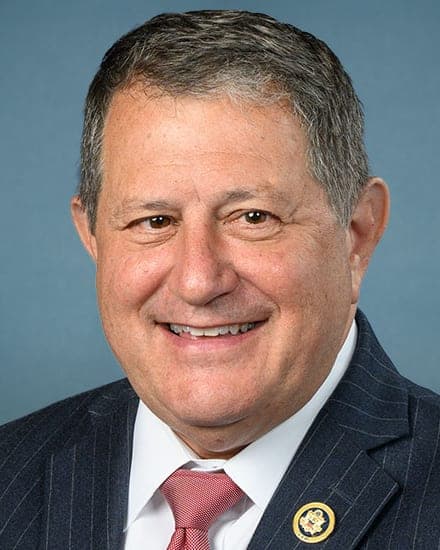
House Democrat criticizing the bill’s scope

House Democratic leader pressing to extend restrictions to the executive branch

Senator supporting the House bill as a step forward

Sponsor of a discharge petition for a stricter consensus bill
Discussion · 0
Loading comments…