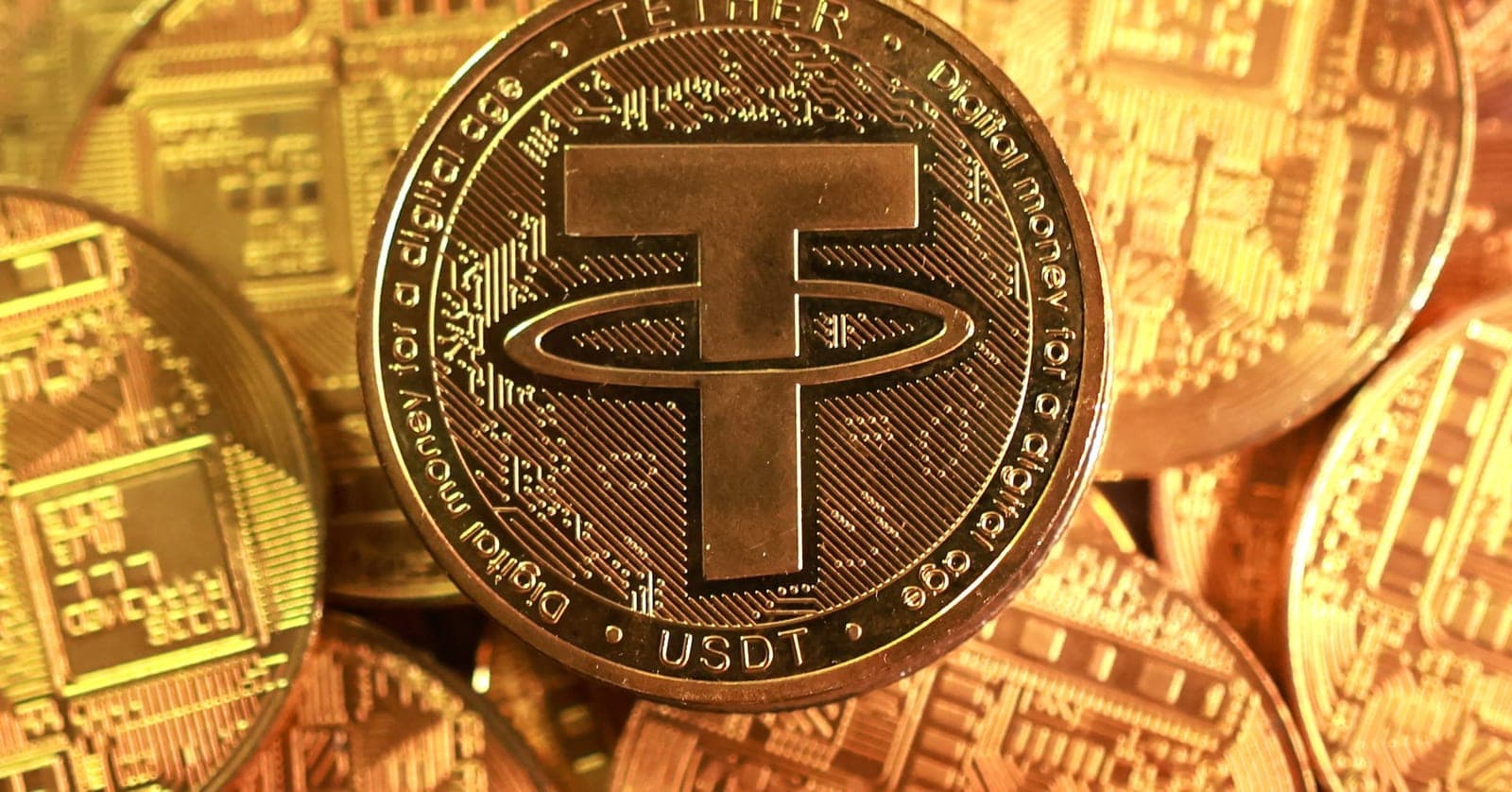
Tether USDT aids Iran funding, Senate report says
Richard Blumenthal led a Senate report on Iran-linked USDT transactions and called for federal investigations.
SOURCE CHECK
TAP FOR WHYReuters is an established international wire service with strong editorial standards and a high publisher rating. The page identifies the reporting and editing staff and includes Reuters’ standards reference.
- Track record — The publisher has a high site rating based on a substantial history of reviewed stories.
- Source type — Reuters is a major wire service with established editorial practices.
- Transparency — The article identifies reporting and editing staff and references Reuters standards.
- Author attribution — The reporting credit names Chandni Shah, though no individual byline appears in the supplied text.
The short report gives specific figures and attributes the findings to a Senate report, while including responses from Tether and its CEO. It offers little independent analysis or outside expertise to assess the report’s claims.
HOW WE SCORE ↗The report’s allegations are paired with a response from Tether and its CEO. The article does not provide independent experts or additional evidence to evaluate either account.
- Counterarguments presented — Tether’s response and its stated cooperation with the government are included.
- Source diversity — The article draws on the Senate report and company statements but includes no independent expert.
- Omitted context — The short article provides limited detail about the report’s methodology and the company’s account.
- Loaded language — Charged descriptions are attributed to the report or to Blumenthal rather than asserted in the article’s own voice.
The article uses neutral, attributed language to report the Senate report’s claims and Tether’s response. It does not adopt either side’s characterization as its own.
- Language tone — The language is largely factual and claims are attributed to their speakers or the report.
- Source selection — The article includes both the report’s findings and Tether’s response.
- Framing — The headline attributes the claim to a Senate report rather than presenting it as independently established fact.
A Senate Democratic report led by Richard Blumenthal says USDT was used in 84% of 846 crypto wallets sanctioned in connection with Iran. Blumenthal called for federal investigations, while Tether said it cooperates with the government and supports freezing Iran-linked USDT.
A report led by Senator Richard Blumenthal analyzed 846 crypto wallets sanctioned by Israel and the United States in connection with Iran. It found that 84% transacted in USDT, including in ways that the report says helped Iran move money across borders and support its currency amid U.S. sanctions. Blumenthal said the report showed USDT had become central to Iran’s shadow banking system and called for the Treasury and Justice Departments to investigate Tether.
Tether said it was committed to cooperating with the U.S. government and supported freezing nearly $550 million in Iran-linked USDT in 2026. CEO Paolo Ardoino said USDT was not a haven for sanctioned actors, terrorist organizations, or criminal networks. The article also reports that the Treasury Department had stepped up sanctions against Iran and launched an operation focused in part on crypto transactions.
Community verdict
14 VOTES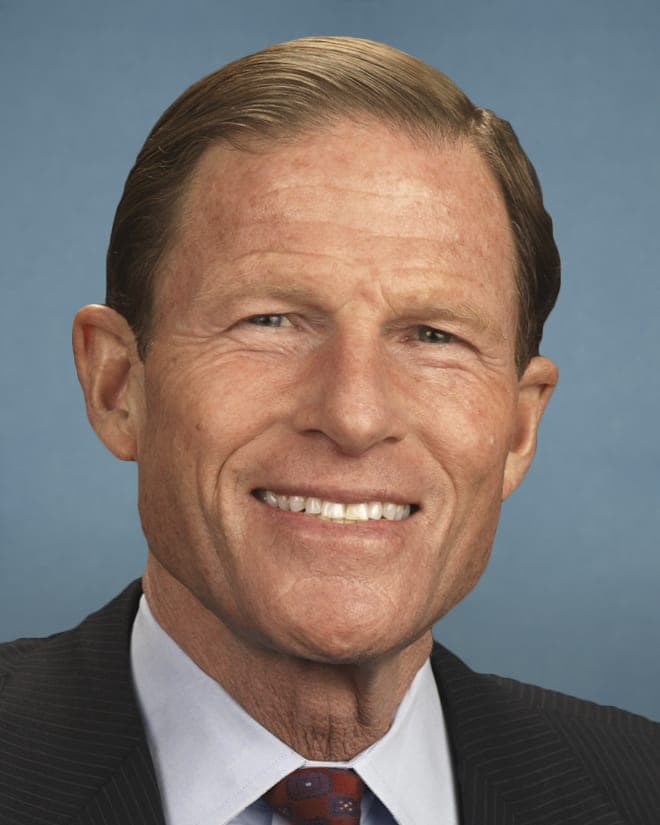
People in this story
Senator who led the report and called for investigations into Tether
Part of a bigger story
7 OUTLETSA Senate report led by Richard Blumenthal says Tether’s USDT was used in Iran-linked sanctions evasion; Blumenthal called for federal investigations. Left-leaning outlets also highlight alleged ties between Tether and Commerce Secretary Howard Lutnick’s former firm. Center outlets emphasize the report’s findings on sanctioned wallets and include Tether’s account of its cooperation and freezes of Iran-linked USDT.
- ARTICLES
- 8
- OUTLETS
- 7
- AVG CRED
- 75
Discussion · 0
Loading comments…