Senate Report Says Tether’s USDT Is Central to Iranian Proxy Financing
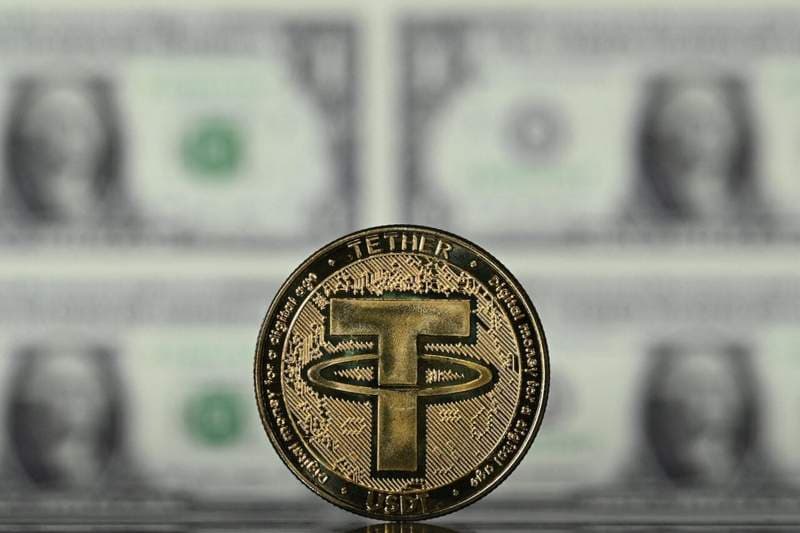
Richard Blumenthal published a report examining USDT’s role in Iranian-linked financing networks.
SOURCE CHECK
TAP FOR WHYCredibility rates AOL.com, which republished this story. The other scores rate the article itself.
AOL is an established publishing platform, but the page provides limited information about its reporting and correction practices. The article names its author and attributes its main findings to a Senate report and Reuters, though much of the coverage relies on the report’s claims.
- Source type — AOL is a recognizable news and media platform, but the recorded source type does not establish a dedicated newsroom or reporting standard for this article.
- Author attribution — The article names Mike Pearl as its author.
- Transparency — The article identifies the Senate report and attributes Tether’s response to Reuters, but gives limited detail on its own reporting process.
- Editorial standards — No corrections policy or specific editorial standards are evident in the article.
The article gives specific figures and attributes its central claims to a Senate report, while including Tether’s response through Reuters. The evidence is presented largely through the report’s preliminary findings, with little independent verification or direct response from the other people named.
HOW WE SCORE ↗The report’s preliminary findings and Tether’s response are both represented, but the article gives little independent context for evaluating the findings and does not include responses from Trump or Lutnick.
- Counterarguments presented — Tether’s cooperation statement and denial are included, but no responses from Trump or Lutnick appear.
- Source diversity — The account relies mainly on Blumenthal’s report, with Tether’s response attributed to Reuters.
- Loaded language — The article’s assertion that the politics “couldn’t be clearer” introduces an interpretive framing.
The article foregrounds a link between the Trump family’s cryptocurrency interests and the report’s allegations, and describes the political implications as clear. It includes Tether’s denial but does not provide responses from Trump or Lutnick.
- Framing — The article connects the report’s findings to the Trump family’s cryptocurrency interests and the administration.
- Language tone — The phrase “The politics at play couldn’t be clearer” signals a pointed political framing.
- Source selection — The article includes Tether’s response via Reuters but no response from Trump or Lutnick.
Republished
Republished from Gizmodo. The relationship between the two publishers has not been determined.
11 stories · 69–73 · updated Oct 6, 2026
This is Gizmodo's own score, and this article is credited to Gizmodo. The host score in the Source Check is AOL.com's.
A report published by Sen. Richard Blumenthal says USDT was used extensively in Iranian-linked crypto transactions and alleges ties to financing networks connected to Hezbollah and the Houthis. It also raises questions about Tether’s relationships with Cantor Fitzgerald and Commerce Secretary Howard Lutnick’s family; Tether says it cooperates with U.S. authorities.
A 28-page Senate report published by Richard Blumenthal describes USDT as a significant part of Iran’s shadow banking network. It examined 846 sanctioned wallets identified with Iranian affiliations and found that 84% transacted exclusively or nearly exclusively in USDT. The report also cites two sanctioned oil smugglers who transferred more than $603 million in USDT through a network it says links Iranian finance to Hezbollah and the Houthis. The report characterizes its findings as preliminary.
The report says Tether’s treasury relationship runs through Cantor Fitzgerald, which has a stake in Tether, and describes a loan to Howard Lutnick’s children connected to their purchase of his stake in the firm. It also alleges that Tether did not freeze enough Iran-affiliated wallets before 2024. Reuters reported that Tether said it cooperates with the U.S. and supports freezing Iran-linked USDT; CEO Paolo Ardoino said the company is not a haven for sanctioned actors or criminal networks.
Community verdict
12 VOTES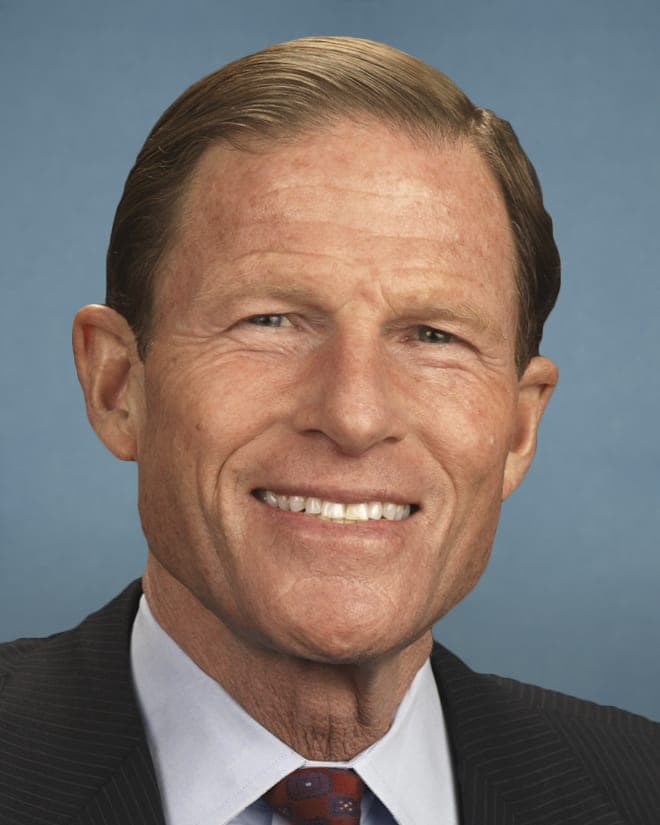
People in this story
SWIPE →Senator who published the report on Iranian-linked USDT transactions
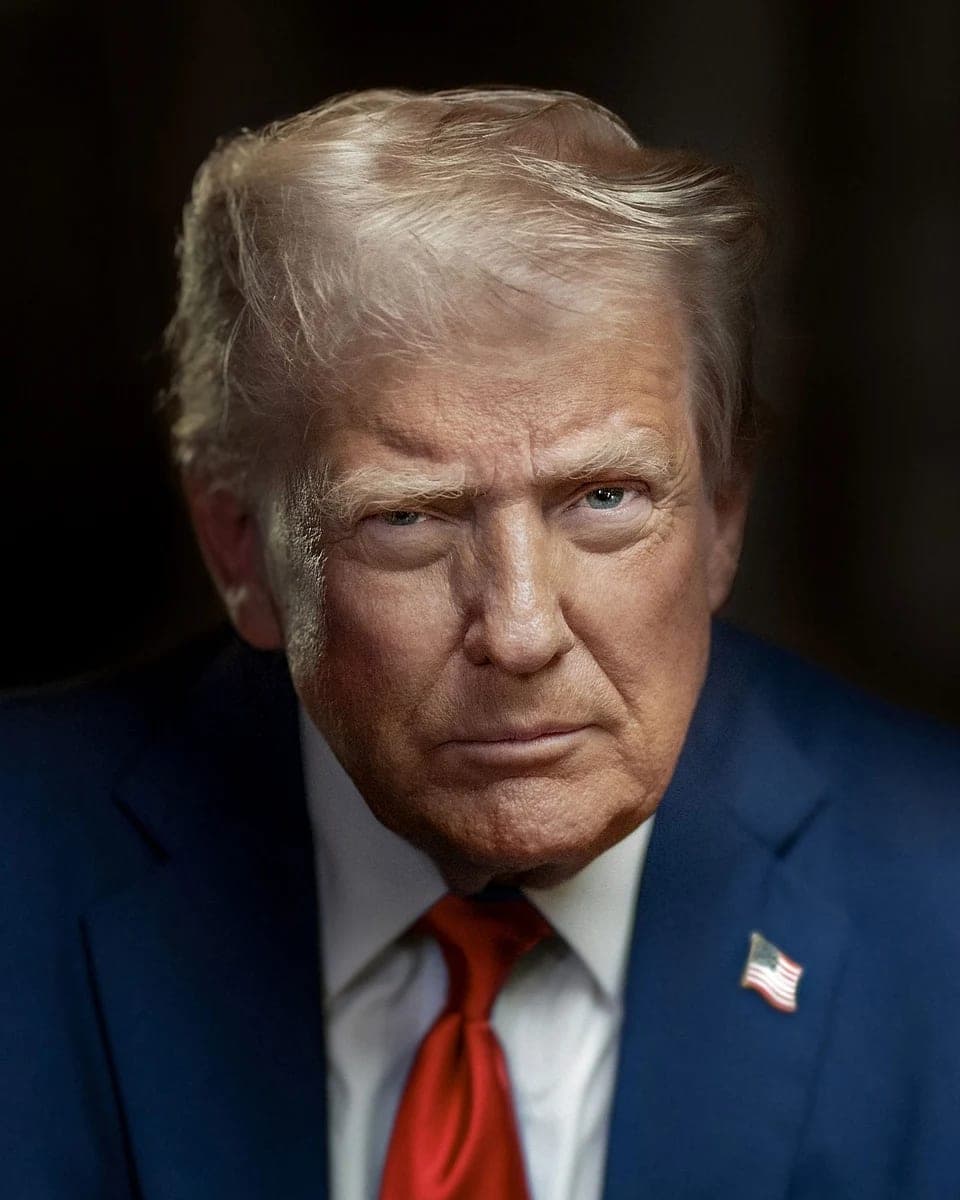
President who signed the GENIUS Act
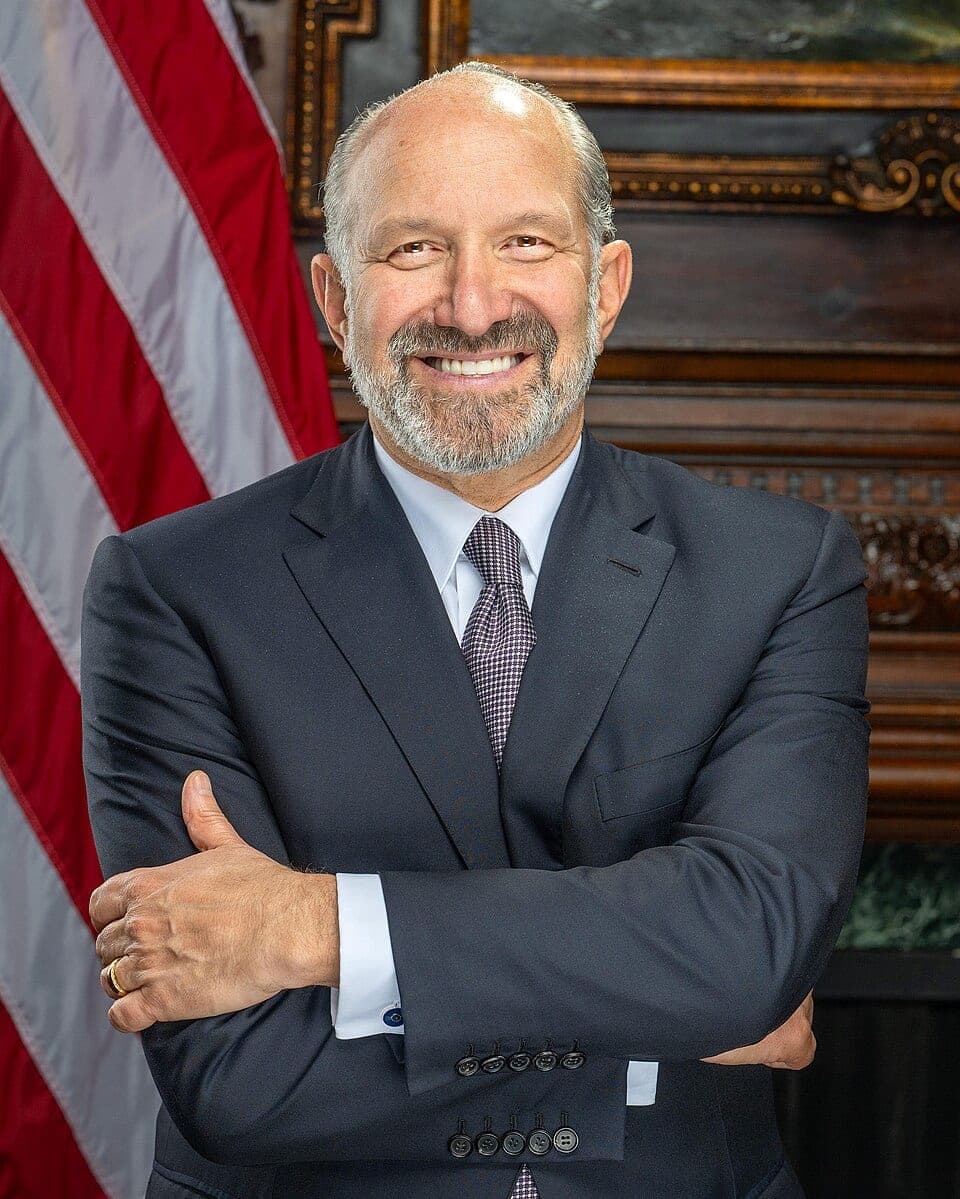
Commerce Secretary named in the report’s account of Cantor Fitzgerald and Tether
Part of a bigger story
7 OUTLETSOutlets agree that Richard Blumenthal led a Senate report alleging Tether’s USDT was used in Iran-linked sanctions evasion. Blumenthal called for federal investigations. Left-leaning outlets connect the allegations to Tether’s ties involving Howard Lutnick and broader political or financing networks; center outlets focus on the report’s findings and Tether’s response.
- ARTICLES
- 8
- OUTLETS
- 7
- AVG CRED
- 74
Discussion · 0
Loading comments…