Whoops: Abdul El-Sayed Slips Up, Makes Revealing Admission About Taxes, Healthcare
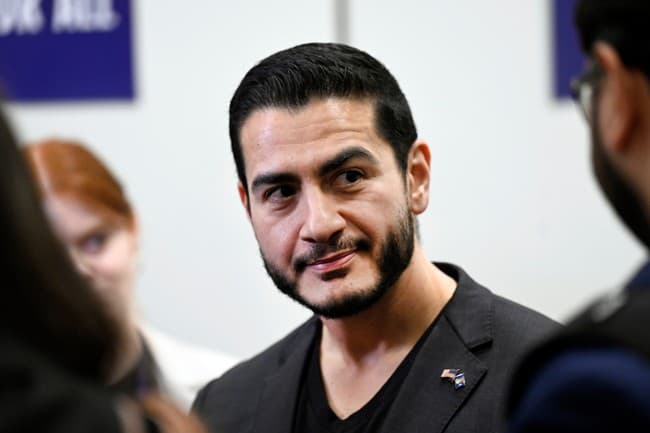
In a television interview, El-Sayed defended paying more in taxes as an alternative to health-insurance premiums.
SOURCE CHECK
TAP FOR WHYRedState is an identifiable outlet with a named author, but this is explicitly opinion writing with overtly partisan framing rather than independently balanced reporting. The article attributes interview statements to El-Sayed and includes excerpts, while offering limited independent sourcing.
- Source type — An opinion-first outlet and an explicitly argumentative column warrant a lower score than a general-news newsroom.
- Transparency — It attributes remarks to the interview and reproduces excerpts, but provides little independent verification or broader sourcing.
- Author attribution — The article identifies Nick Arama as its author.
- Editorial standards — The page presents its position as conservative opinion, not as neutral news reporting.
The article includes substantial excerpts of El-Sayed's interview and identifies the interviewer, giving readers some basis to assess the remarks. However, it relies largely on that interview, uses strongly evaluative language, and does not offer outside analysis or a countervailing perspective on the proposal's costs.
HOW WE SCORE ↗The piece includes El-Sayed's own explanation of his proposal, but the columnist consistently interprets it negatively and supplies no substantive response from supporters, policy experts, or other sources.
- Counterarguments presented — The candidate's explanation is quoted, but no other source makes a case for the policy or addresses its costs.
- Loaded language — Uses terms such as 'far-left,' 'gobbledygook,' and 'delusional' to characterize the subject and his position.
- Opinion vs reporting — The article openly advances a critical argument rather than maintaining a reporting-focused presentation.
- Source diversity — The interview is the central source, with no independent expert or contrasting source.
The column uses dismissive language about El-Sayed and his policy positions, repeatedly characterizing them as socialist or radical and urging readers to oppose them. Its presentation favors a conservative critique rather than neutral analysis.
- Language tone — Uses dismissive and mocking descriptions of El-Sayed's answers and political views.
- Framing — Frames the interview as a damaging blunder and interprets the proposal as a threat to ordinary taxpayers.
- Headline — The headline labels the interview a revealing admission before readers encounter the exchange.
- Source selection — Relies on excerpts from the interview and an RNC Research post without adding independent policy experts or other perspectives.
Senate candidate Abdul El-Sayed defended shifting health-care costs from insurers to taxes during a television interview, saying he considered that trade worthwhile. The RedState columnist portrays his answers as an admission that people earning under $1 million could face higher taxes.
El-Sayed appeared on Sunday talk shows to promote his campaign. On Meet the Press, host Kristen Welker asked about his differences with Sen. Bernie Sanders and about paying for universal health care. El-Sayed said people might pay more in taxes instead of paying health-insurance companies, and described that as a trade worth making.
Welker asked whether people earning less than $1 million could see their taxes rise. El-Sayed responded that people would be paying for health care in a different way and said he would rather pay the government to guarantee coverage than pay an insurer. The columnist interprets this as meaning ordinary taxpayers would pay more and criticizes the proposal.
Community verdict
2 VOTES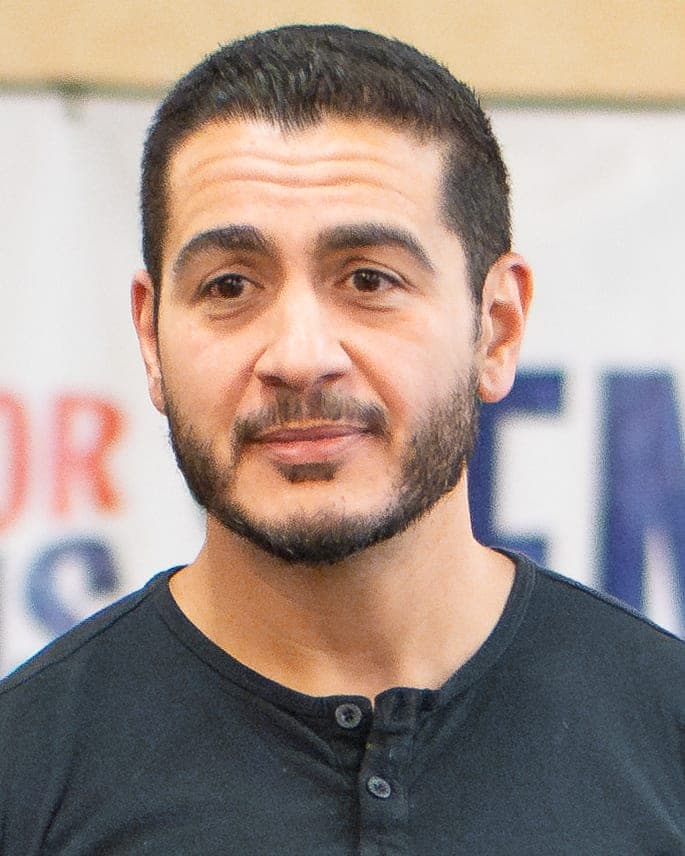
People in this story
SWIPE →Michigan Senate candidate discussing his health-care financing proposal
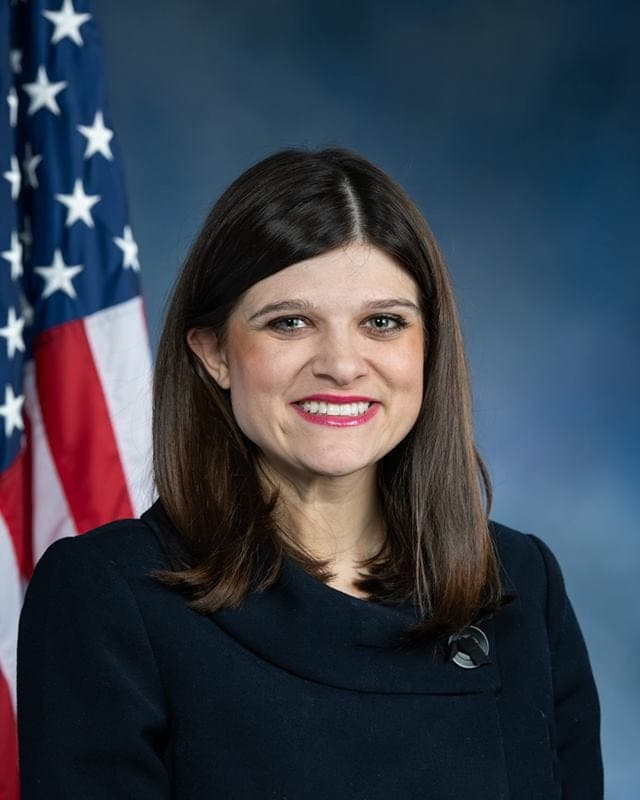
Representative mentioned in connection with Democrats who supported her
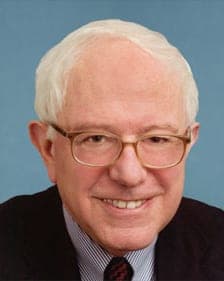
Senator cited as a point of comparison in an interview question
Part of a bigger story
5 OUTLETSIn a televised interview, Michigan Senate candidate Abdul El-Sayed defended Medicare for All and described funding it through taxes rather than insurance premiums. Right-leaning outlets largely frame his comments as an admission of higher taxes and a political vulnerability, while some also focus on his ties to Hasan Piker or his challenge to Mike Rogers.
- ARTICLES
- 6
- OUTLETS
- 5
- AVG CRED
- 53
Discussion · 0
Loading comments…