Stephen Colbert Has His Newest Censorship Claim, and This One Might Be the Dumbest Yet
Talarico said the FCC refused to air his interview with Stephen Colbert, while CBS said the show chose to put it on YouTube.

SOURCE CHECK
TAP FOR WHYRedState is an opinion-oriented partisan outlet, and this article uses polemical language and presents a strongly one-sided argument. The named author and inclusion of CBS’s statement provide some transparency and factual attribution.
- Source type — Opinion-oriented partisan outlet; this is a strong prior for lower institutional credibility.
- Editorial standards — The piece is openly argumentative and uses disparaging language rather than a neutral reporting style.
- Author attribution — The article names an author, Brad Slager.
- Transparency — It includes CBS’s statement clarifying the network’s role in the decision.
The article includes CBS’s account and identifies the equal-time concern, but its argument relies heavily on polemical characterization and provides little independent sourcing or response from the people it criticizes.
HOW WE SCORE ↗CBS’s explanation is included, but the article mostly advances a strongly critical case against Talarico and other Democrats, with little developed counterargument.
- Loaded language — The article repeatedly uses ridicule and pejorative language about its political opponents.
- Counterarguments presented — Talarico’s censorship claim appears, but its reasoning is not developed beyond the claim itself.
- Source diversity — CBS’s statement is included, but there are few independent or opposing sources.
- Opinion vs reporting — The piece is openly opinionated and argues for one interpretation of events.
The piece strongly rejects claims of Trump administration censorship, defends the network’s decision, and uses disparaging language about Democrats and the left.
- Language tone — Repeated insults and mocking descriptions target Democrats and left-leaning critics.
- Framing — The article frames the controversy as an exaggerated and inaccurate response to a legitimate equal-time concern.
- Source selection — It quotes Talarico’s claim and CBS’s statement, but gives little space to opposing interpretations.
CBS said it did not prohibit Stephen Colbert from airing his interview with James Talarico; the show moved it to YouTube after receiving legal guidance about equal-time obligations to other candidates. The article argues the decision was made by the show’s producers, not at President Trump’s direction.
CBS said the interview with Texas candidate James Talarico was not prohibited from broadcast. The network said the show received legal guidance that airing it could trigger equal-time requirements for other candidates, including Jasmine Crockett, and that producers chose YouTube with on-air promotion rather than potentially providing equal-time options.
The article says Talarico had claimed the FCC refused to air his interview and argues that CBS’s decision reflected equal-time concerns, not an order from Trump or the FCC. It also says Talarico was running in a Democratic primary and identifies Crockett and Colin Allred as other Democrats who could have raised equal-time concerns.
Community verdict
3 VOTES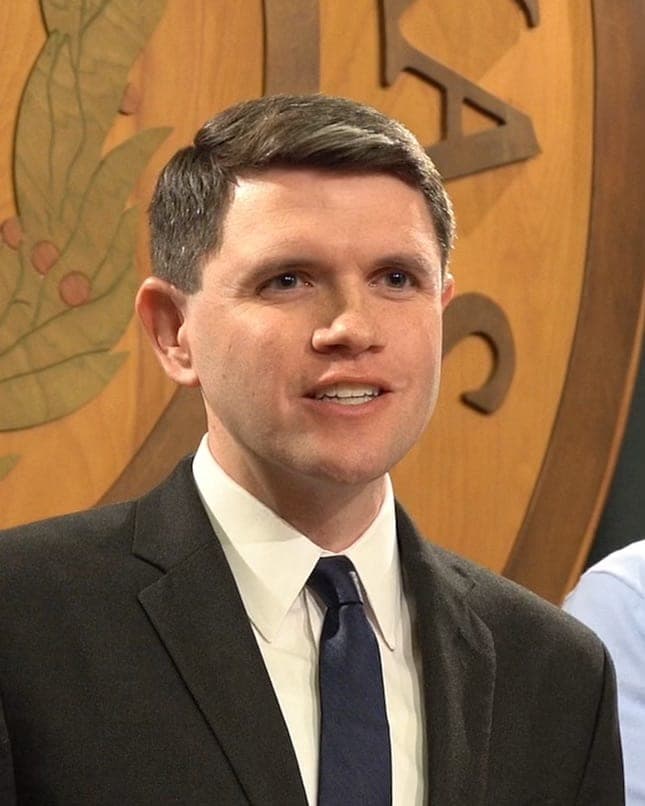
Counts every outlet’s report of this story. See all 66
- Readers of left-leaning coverage: not enough votes yet
- Readers of right-leaning coverage: 0% good look
Votes cast on this page
Votes cast on this page: ▲ 0 · ◆ 0 · ▼ 0
People in this story
SWIPE →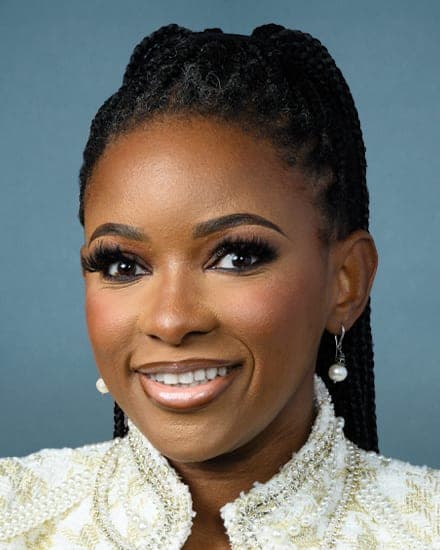
Texas representative and candidate cited as a possible equal-time beneficiary

President accused of influencing the interview decision
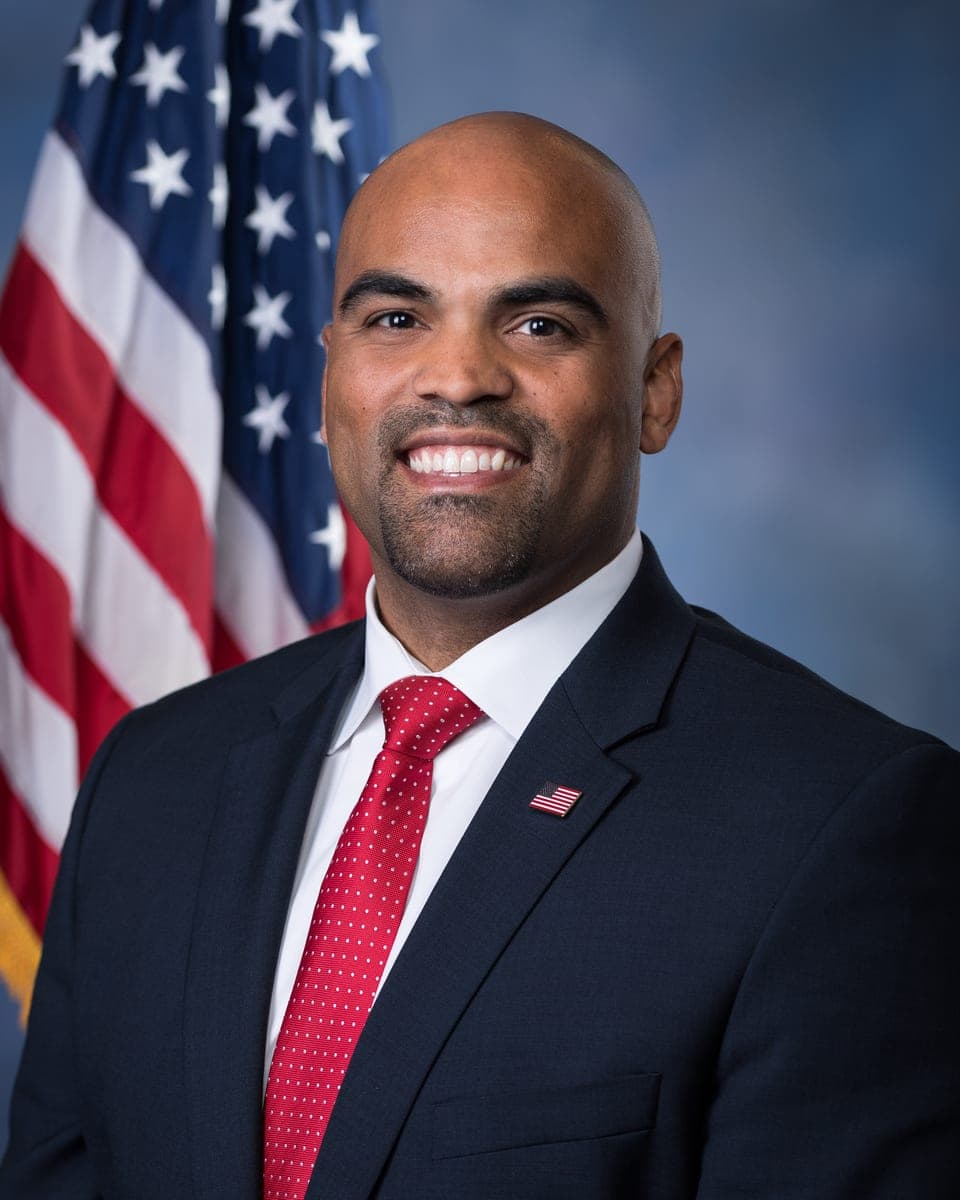
Texas House candidate cited as a possible equal-time beneficiary
Part of a bigger story
32 OUTLETSStephen Colbert’s interview with Texas Senate candidate James Talarico did not air on CBS television and was later posted online. Coverage centers on CBS’s equal-time guidance and disagreement over whether it barred the broadcast or led the show to choose not to air it. Left-leaning outlets frame the decision as political pressure on speech and note the interview’s online reach and possible campaign benefit. Center outlets focus on competing accounts of CBS’s equal-time guidance, while some track the interview’s reach and fundraising. Right-leaning outlets emphasize CBS’s account of legal guidance and challenge claims that the FCC or Trump stopped the interview.
- ARTICLES
- 66
- OUTLETS
- 32
- AVG CRED
- 64
Discussion · 0
Loading comments…