New: The Democrats' El-Sayed Problem Just Got Real, and the Political Price Could Be Huge
El-Sayed’s primary win and his rhetoric toward Republican opponent Mike Rogers are presented as possible challenges in the general election.
SOURCE CHECK
TAP FOR WHYRedState is an opinion-oriented, openly partisan publisher, and this article uses strongly evaluative language. The author is identified, and the piece attributes some claims to named sources and quoted campaign statements, but relies partly on social-media posts and an unnamed fundraiser.
- Source type — Opinion-oriented publisher with a clear partisan perspective.
- Editorial standards — The piece mixes reported material with explicit editorial judgment and charged characterizations.
- Author attribution — The article names its author.
- Transparency — Some claims are attributed to named sources, but one donor forecast is anonymous and several references are social-media posts.
The article reports the primary result and presents a direct statement from Rogers, along with attributed comments and reports about possible donor support. It offers little response from El-Sayed or other perspectives, and its highly charged language and reliance on social-media material limit its reporting quality.
HOW WE SCORE ↗The story is largely one-sided: it highlights criticism of El-Sayed and potential support for Rogers without presenting El-Sayed’s response or a comparable account of the candidates’ positions. The author’s evaluative language further reduces balance.
- Counterarguments presented — No response from El-Sayed or countervailing view is presented.
- Loaded language — The author uses strongly evaluative language about El-Sayed and the Democratic Party.
- Source diversity — The article cites campaign statements, social-media posts, an analyst and an unnamed fundraiser, but offers limited viewpoint diversity.
- Opinion vs reporting — Commentary and predictions are interwoven with reporting.
The article frames El-Sayed and Democrats in strongly negative terms while presenting Rogers as an opportunity for disaffected voters and donors. Its language and selection of claims and sources favor the Republican candidate.
- Language tone — Uses charged labels for El-Sayed and his political movement.
- Framing — Emphasizes the potential political cost to Democrats and opportunity for Rogers.
- Source selection — Features criticism of El-Sayed and statements supporting or encouraging Rogers, without a response from El-Sayed.
- Headline — Frames El-Sayed’s nomination as a serious problem for Democrats.
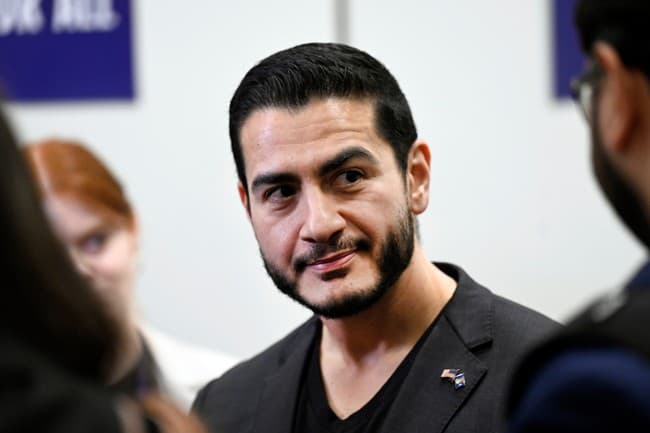
Abdul El-Sayed was projected to win Michigan’s Democratic Senate primary, setting up a general-election contest with Mike Rogers. The article argues that divisions among Democrats, including possible support for Rogers from Jewish donors, could create a challenge for El-Sayed.
The author reports that El-Sayed was projected to win the primary over Rep. Haley Stevens by a narrow margin. The piece says the result could complicate Democrats’ effort to hold the Senate seat now held by retiring Sen. Gary Peters, and points to reports that some Jewish Democrats and donors may support Republican candidate Mike Rogers instead of El-Sayed.
Rogers issued a statement attacking El-Sayed’s views and campaign, including claiming that El-Sayed believes America deserved 9/11. The author clarifies that Hasan Piker made that statement, and says Rogers was drawing attention to El-Sayed’s association with Piker.
Community verdict
3 VOTES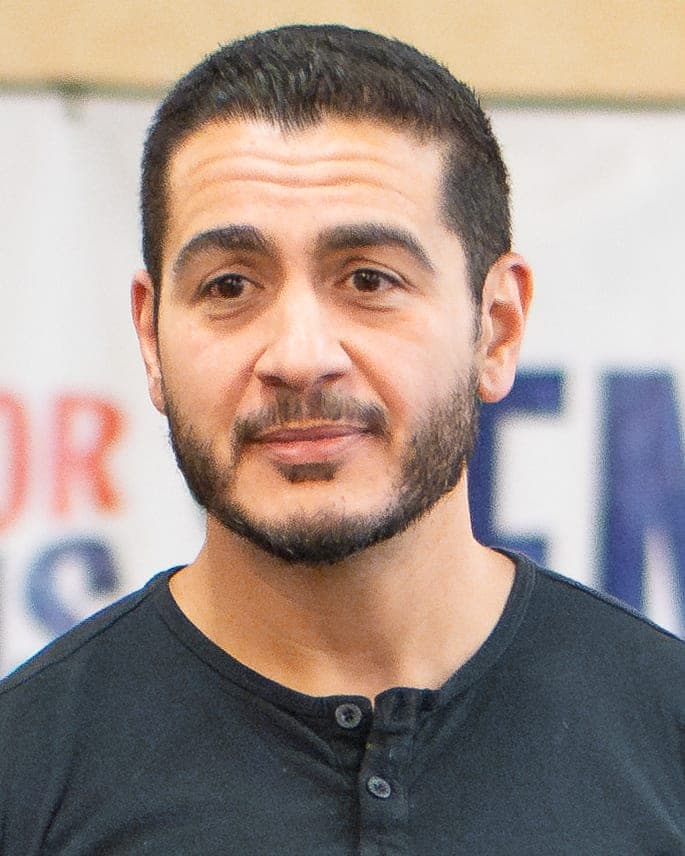
People in this story
SWIPE →Democratic Senate candidate and projected winner of the Michigan primary
Republican Senate candidate and El-Sayed’s general-election opponent
Rogers's version of this story ↗
Democratic representative and defeated primary candidate

President who backed Mike Rogers

Retiring senator whose seat is being contested
Part of a bigger story
45 OUTLETSOutlets agree Abdul El-Sayed won Michigan’s Democratic Senate primary over Haley Stevens and will face Republican Mike Rogers in November. Left-leaning outlets present the win as a progressive challenge to party leaders and a marker of movement momentum, while also weighing its reach in November. Center outlets emphasize the close result, party direction and the general-election contest. Right-leaning outlets often frame the result as a leftward shift or establishment setback and stress questions about El-Sayed’s general-election appeal, with some focusing on ethical or policy criticism.
- ARTICLES
- 51
- OUTLETS
- 45
- AVG CRED
- 69
Discussion · 0
Loading comments…