Kristen Welker Runs Cover for Abdul El-Sayed - Tim Scott Wasn't Having It
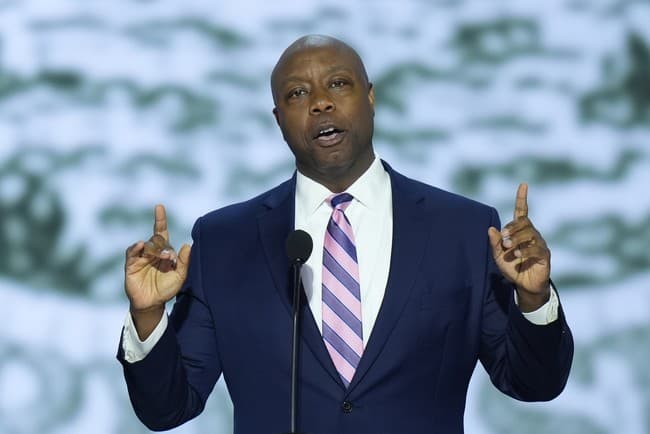
The article discusses the ads against El-Sayed and Scott’s criticism of his positions and campaign appearances.
SOURCE CHECK
TAP FOR WHYThe publisher’s recorded rating is 44, and the opinion classification is a strong signal that this is commentary rather than neutral reporting. The byline is identified, but the article’s one-sided presentation limits the institutional credibility assessment.
- Source type — Recorded as an opinion publisher; the article is openly framed as commentary.
- Track record — The site's rating is 44 based on 104 stories.
- Author attribution — A named author, Ben Smith, is provided.
- Editorial standards — The article contains a strongly partisan editor's note and promotional appeal.
The article recounts a specific televised exchange and includes quotations, but largely advances one interpretation of it. Several claims about El-Sayed and the ads are presented through Scott or cited reports, with little effort to obtain or present competing responses.
HOW WE SCORE ↗The piece primarily advances a critical view of El-Sayed and a favorable view of Scott. It recounts Welker's questions and El-Sayed's earlier denunciation of Piker's remark, but does not provide a comparable response from El-Sayed to the article's broader claims.
- Counterarguments presented — Welker's questions and El-Sayed's earlier denunciation of Piker's remark are noted, but their perspectives are not developed.
- Loaded language — The headline and closing passages characterize Welker as running cover and describe the exchange as Scott using her airtime to repeat his case.
- Source diversity — The article relies mainly on the interview and reports cited in support of its critical framing.
- Opinion vs reporting — The commentary is explicit, including a partisan editor's note and membership solicitation.
The article uses a right-leaning frame, portraying Welker as protecting El-Sayed and Scott as effectively rebutting her. Its language and selection of claims favor the Republican argument.
- Language tone — The headline and article use adversarial framing, including the claim that Welker “runs cover” for El-Sayed.
- Framing — Scott's responses are presented as a successful counter to Welker's questions.
- Source selection — The article emphasizes Scott's allegations and a report from the Free Beacon, while offering little response from El-Sayed.
RedState frames an NBC interview between Kristen Welker and Sen. Tim Scott as a dispute over Republican ads targeting Michigan Senate candidate Abdul El-Sayed. Scott rejected Welker’s questions about the ads and defended criticism of El-Sayed’s positions and campaign associations.
During a discussion of Michigan’s Senate race, Welker asked Scott whether Republicans should stop running ads that accuse El-Sayed of having “terrorist ties,” and questioned whether the campaign was trying to frighten voters because El-Sayed is Muslim. Scott rejected that framing and cited El-Sayed’s positions on immigration enforcement and policing, as well as his appearances with Hasan Piker. The article describes Scott as chair of the National Republican Senatorial Committee.
Community verdict
2 VOTES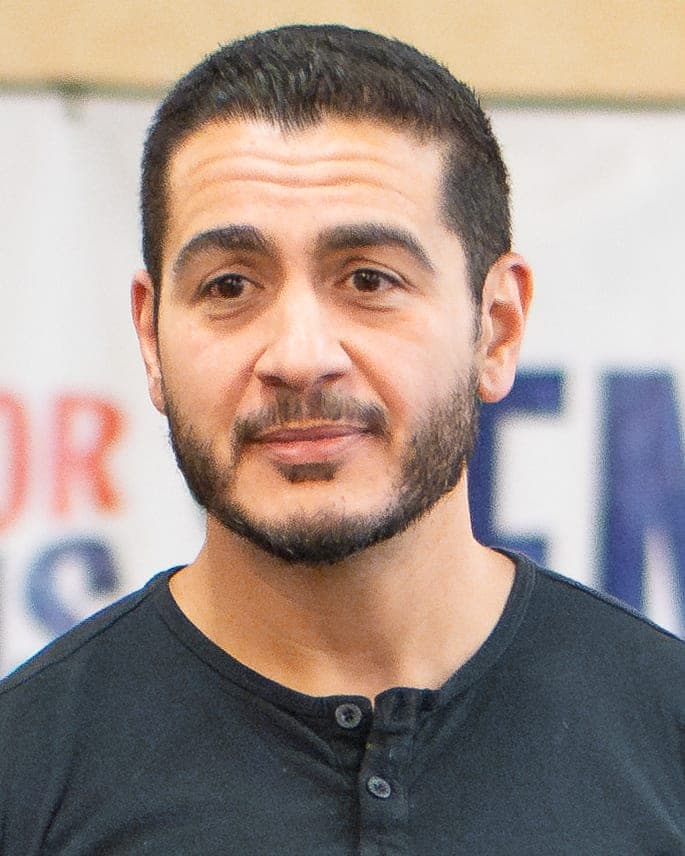
People in this story
SWIPE →Michigan Senate candidate targeted by Republican campaign ads and criticized by Scott.
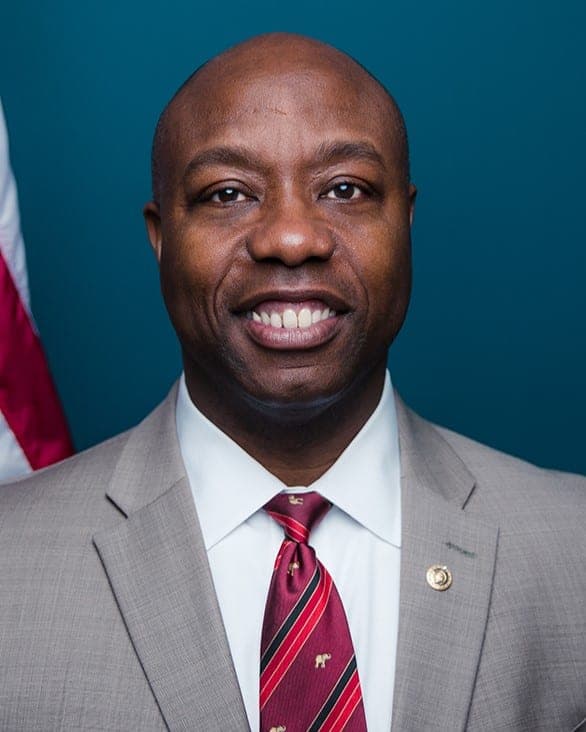
Senator and chair of the National Republican Senatorial Committee, responding to Welker's questions about ads targeting El-Sayed.
Scott's version of this story ↗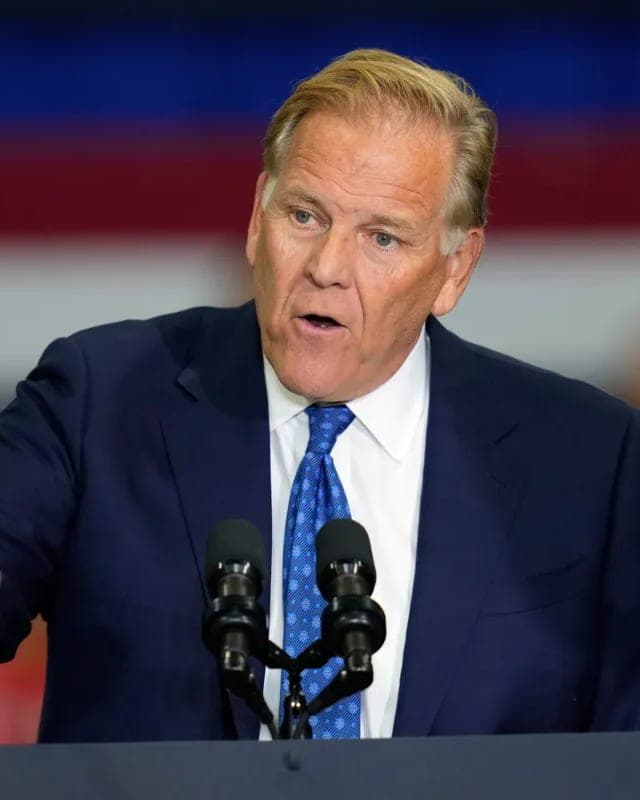
Republican Michigan Senate candidate whom the article identifies as Mike Rogers.
Part of a bigger story
4 OUTLETSOutlets report that Sen. Tim Scott defended Republican ads targeting Abdul El-Sayed during an interview where Kristen Welker challenged the ads’ claims. Right-leaning outlets present Scott’s response as a rebuttal, stress that El-Sayed’s associations and positions are relevant, and portray Welker’s questions as protective of him.
- ARTICLES
- 4
- OUTLETS
- 4
- AVG CRED
- 42
Discussion · 0
Loading comments…