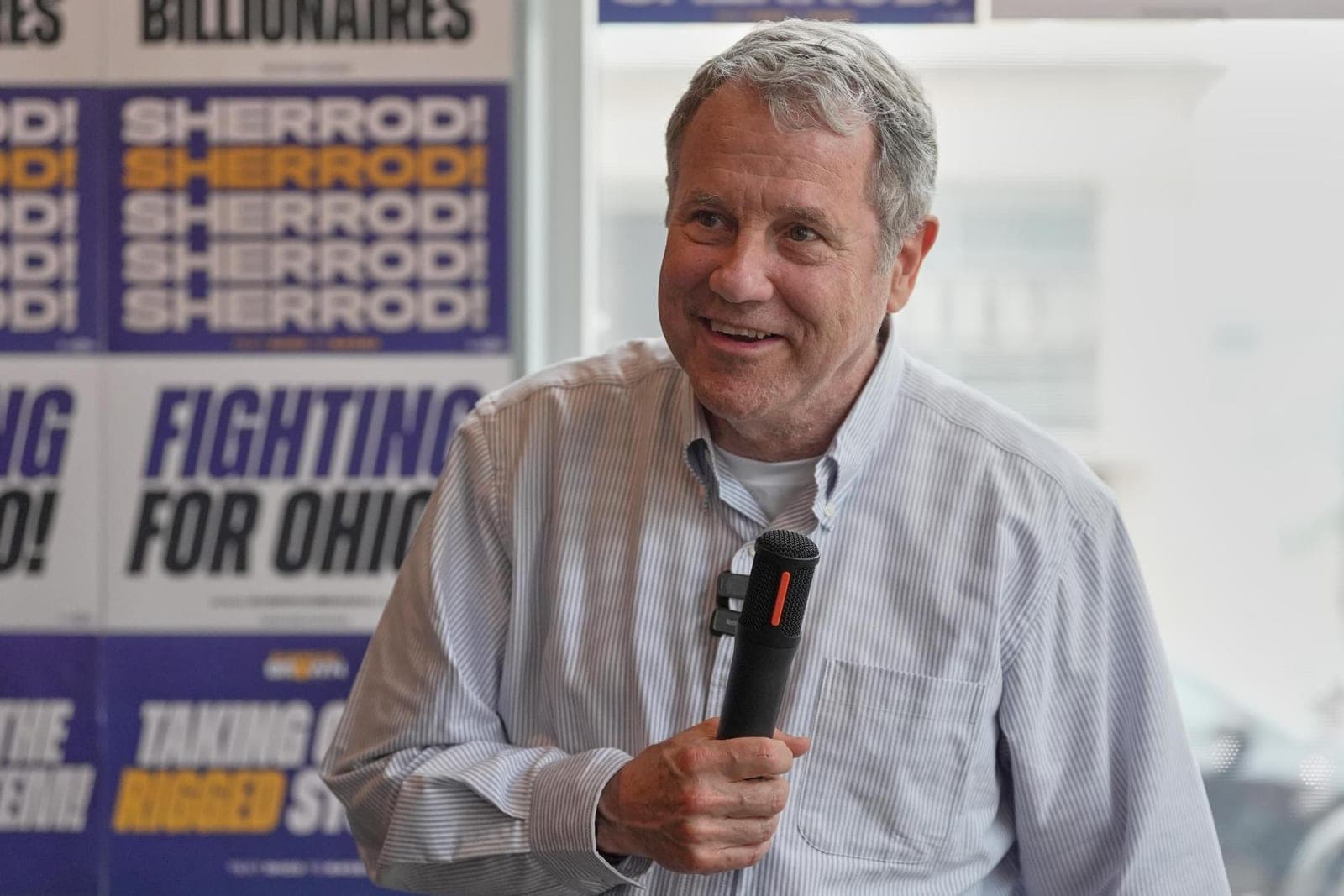
Ohio voters rejected Sherrod Brown. Will he get a second chance?
Husted is defending his Ohio Senate seat against Brown amid criticism over his support for data centers.
SOURCE CHECK
TAP FOR WHYCredibility rates Redlands Daily Facts, which republished this story. The other scores rate the article itself.
The reporting is attributed to the Associated Press, an established wire service with substantial original-reporting and editorial standards. The local publisher appears to carry the AP story rather than produce the reporting itself.
- Track record — Associated Press is a major, established wire service with a long record of original reporting.
- Editorial standards — The article presents reported context and attributed statements from people on different sides of the race.
- Author attribution — The article identifies an AP reporter and credits an additional AP contributor.
- Source type — This is an Associated Press report republished by a local news outlet.
The article provides election history, local economic context, campaign spending figures attributed to AdImpact, and named perspectives from residents, an academic and both campaigns. It could give more detail on the evidence linking data centers to electricity costs, but it includes competing claims and perspectives.
HOW WE SCORE ↗The article includes views and campaign claims from both sides, along with voter and expert perspectives. Some assertions about Husted and data centers are reported through campaign representatives rather than independently examined in depth.
- Counterarguments presented — The article includes both Brown allies’ criticism of Husted and Husted’s spokesperson’s defense.
- Source diversity — Sources include residents, a professor, party figures and campaign representatives.
- Omitted context — The article provides limited independent evidence about data centers’ effects on electricity costs.
- Loaded language — Most evaluative language appears in attributed quotations rather than the reporter’s narration.
The article uses mostly neutral language and attributes criticism and defenses to the people making them. It reports political and economic context without clearly favoring either candidate.
- Language tone — The narrative is descriptive and avoids sustained partisan or emotionally loaded language.
- Source selection — The reporting includes perspectives from both campaigns, residents with differing views and a political science professor.
- Framing — The race is framed as a contest over economic conditions and voter realignment, not as a partisan endorsement.
Republished with credit
Republished from Twincities, with credit to the original publisher.
Not rated.
Sherrod Brown is seeking a return to the Senate by appealing to Ohio voters’ economic concerns and criticizing Jon Husted over data centers. The race is also a test of whether Democrats can regain support in parts of Ohio that have shifted toward Republicans.
Brown is trying to win back voters who supported him before his 2024 loss to Bernie Moreno, while challenging incumbent Jon Husted. The article describes economic pressures in Ohio and the political shift in the Mahoning Valley, where Donald Trump and Republicans have gained support.
The candidates and their allies are contesting Husted’s record on data centers: Brown’s allies blame the facilities for contributing to higher electricity costs, while Husted’s spokesperson says he is working to lower costs and that Husted introduced legislation on data-center power use. The article also reports campaign spending figures and quotes Ohio residents expressing differing views about the candidates.
Community verdict
10 VOTES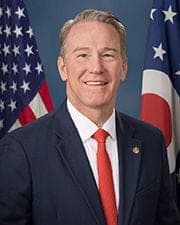
People in this story
SWIPE →Republican senator and Brown’s opponent in the Ohio Senate race

Democratic Senate candidate seeking a return to the Senate
Brown's version of this story ↗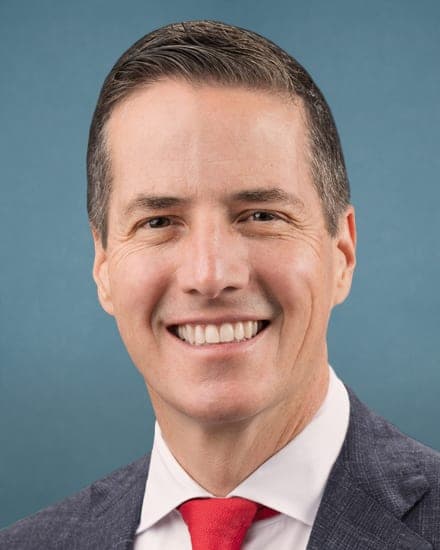
Republican who defeated Brown in the 2024 Senate election

President whose electoral appeal and endorsement are discussed as factors in Ohio politics
Discussion · 0
Loading comments…