Abdul El-Sayed's working-class appeal challenged by new poll
The poll shows El-Sayed performing better among college-educated likely primary voters.

SOURCE CHECK
TAP FOR WHYReason is an established magazine, but this is a columnist’s opinion piece rather than a report from a news desk. The named author and attribution of polling provide some transparency, though the page offers little basis here to assess its corrections practices.
- Source type — Opinion publication and columnist commentary warrant a lower rating than a reported news article.
- Author attribution — The piece identifies Robby Soave as its author.
- Transparency — It attributes the figures to Detroit News polling, but provides limited polling detail in the prose.
The piece gives specific polling comparisons and identifies the poll source, but offers little methodological detail or independent context. Its broader conclusion about progressive politics is interpretive and is not tested against competing explanations.
HOW WE SCORE ↗The article reports several poll comparisons and acknowledges that working-class definitions are debatable, but primarily advances Soave’s interpretation of what the numbers mean. It includes no response from the candidates or fuller discussion of the poll’s methodology.
- Source diversity — Polling is attributed to an outside source, but the interpretation is largely the author’s and no candidate is quoted.
- Counterarguments presented — The piece briefly notes that defining the working class is debatable but does not develop alternative interpretations of the poll.
- Opinion vs reporting — The piece is explicitly argumentative commentary rather than a report presenting competing views.
The commentary is skeptical of far-left and democratic-socialist candidates, using the poll to challenge their working-class appeal. Its framing favors a right-leaning critique of progressive politics, although it does not endorse a Republican candidate.
- Framing — The poll is presented as evidence against claims that progressive candidates are successfully reaching working-class voters.
- Language tone — Terms such as “far-left” and “ascendant socialist left” signal a critical stance toward progressives.
- Source selection — The argument rests on polling figures and the author’s interpretation, without a progressive candidate’s response.
A poll cited by Robby Soave shows Abdul El-Sayed doing better among college-educated likely Democratic primary voters, while Haley Stevens leads among likely voters without college degrees. Soave argues the findings challenge progressives’ claims of broad working-class appeal.
Soave cites Detroit News/Glengariff polling of likely voters in Michigan’s 2026 Democratic Senate primary. The poll puts El-Sayed seven points ahead among college-educated voters and Stevens 22 points ahead among voters without college degrees; it also shows El-Sayed leading among white voters while Stevens leads among Black voters.
Soave compares the findings with Graham Platner’s earlier claim that he was building a working-class coalition in Maine, writing that incumbent Susan Collins had polled better with working-class voters. He argues that polling runs counter to the left’s belief that its economic politics appeal especially to rank-and-file voters, suggesting instead that educated voters are more drawn to progressive politics.
Community verdict
VOTING CLOSED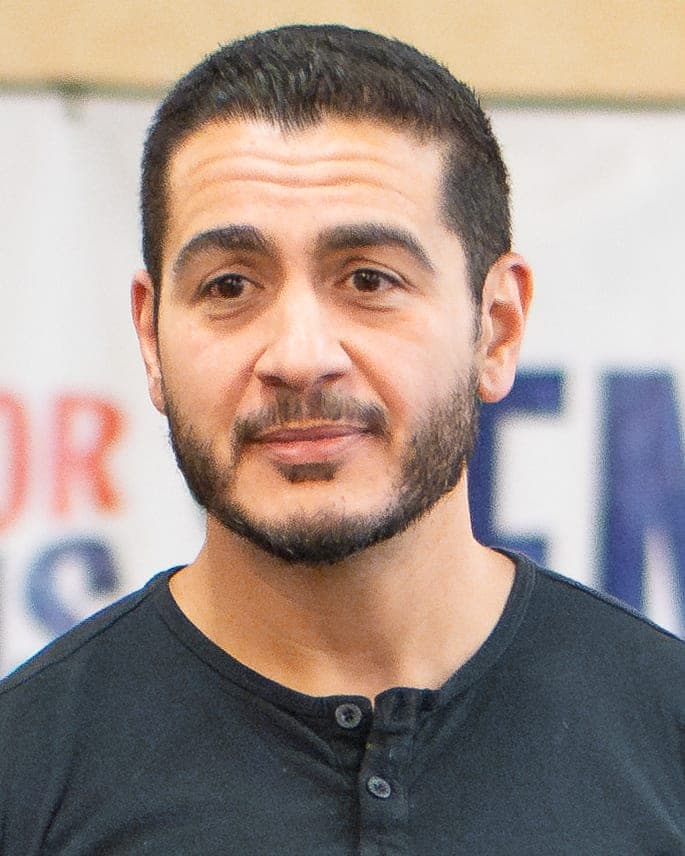
No good or bad look here
This story reports what happened without casting El-Sayed in a good or bad light, so readers don’t rate it and it doesn’t count toward El-Sayed’s record.
People in this story
SWIPE →Democratic Senate candidate whose support is measured in the Michigan primary poll

Representative and Democratic Senate primary opponent of El-Sayed
Stevens's version of this story ↗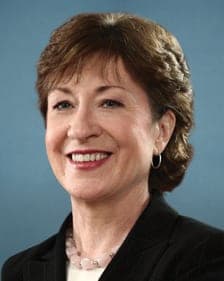
Maine senator and Platner’s former general-election opponent

Former candidate cited as having claimed a working-class coalition in Maine
Part of a bigger story
2 OUTLETS- ARTICLES
- 2
- OUTLETS
- 2
- AVG CRED
- 53
Discussion · 0
Loading comments…