Trump voters spill why they're ditching Republicans: 'Washington is full of criminals'
Some former Trump voters rejected Rogers as an establishment figure and criticized his attack on El-Sayed.

SOURCE CHECK
TAP FOR WHYRaw Story has a middling publisher rating, and this page provides an attributed byline and named sources but limited information about its reporting and verification methods. The account relies heavily on a focus group and summarizes polling without presenting the underlying data.
- Track record — The publisher's rating is 51 across 306 stories, indicating a middling record.
- Source type — Recorded as national news, though this story relies substantially on focus-group reactions.
- Author attribution — The article names Matthew Chapman as its author.
- Transparency — It identifies the focus-group conductor and polling organizations but offers little detail about methods or underlying evidence.
The article attributes comments to named focus-group participants and Sarah Longwell, and cites polling by the New York Times and Siena College. Its evidence is limited by the small focus-group format, sparse methodological detail and lack of a response from Rogers or his campaign.
HOW WE SCORE ↗The article gives several voters’ reasons for moving toward El-Sayed and includes polling and Longwell’s interpretation. It does not include a response from Rogers or his campaign, and there is little examination of alternative interpretations of the focus-group findings.
- Source diversity — Named participants, a focus-group conductor and cited pollsters provide some variety, but the account centers on one focus group.
- Counterarguments presented — No response from Rogers or his campaign is included.
- Omitted context — The article provides limited detail about focus-group methodology and the polling cited.
- Loaded language — The wording is mostly restrained, though the article presents the findings as vindicating Democratic strategy.
The article frames the focus-group reactions as a setback for Republicans and a possible advantage for El-Sayed, including the characterization that the reactions vindicate a Democratic strategy. Its language is mostly reportorial, but the framing favors the Democratic candidate.
- Framing — The account emphasizes how voter reactions could benefit El-Sayed and harm Rogers.
- Language tone — Most language is neutral, but the article calls the reactions an apparent vindication of Democrats' strategy.
- Source selection — The article foregrounds negative views of Rogers and favorable reactions to El-Sayed, without a response from either campaign.
A Michigan focus group of 2024 Trump voters who disapprove of his performance found some warming to Democratic Senate candidate Abdul El-Sayed and rejecting Republican nominee Mike Rogers. Their comments centered on political corruption, establishment ties and an attack ad against El-Sayed.
A focus group conducted by Bulwark publisher Sarah Longwell included several 2024 Trump voters who said they were drifting toward Abdul El-Sayed. Some criticized Mike Rogers as too close to the political establishment; others said his ad linking El-Sayed to a podcaster’s comment about 9/11 was unpersuasive. One participant argued that El-Sayed looked more sympathetic because he had distanced himself from the comment.
The article also cites New York Times and Siena College polling that found El-Sayed drew 8 percent of 2024 Trump voters. Longwell said the focus group reflected voters’ unpredictable and sometimes inconsistent political views, which she said could benefit El-Sayed.
Community verdict
4 VOTES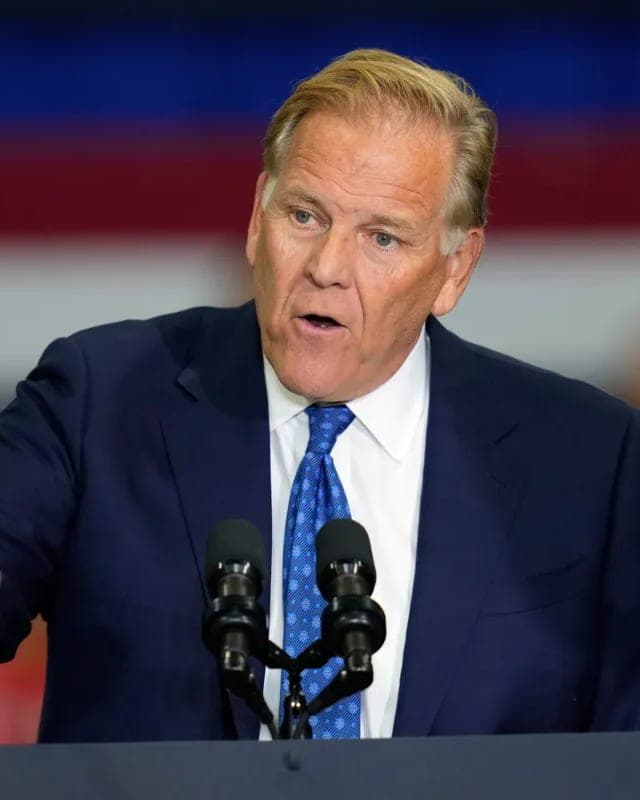
People in this story
SWIPE →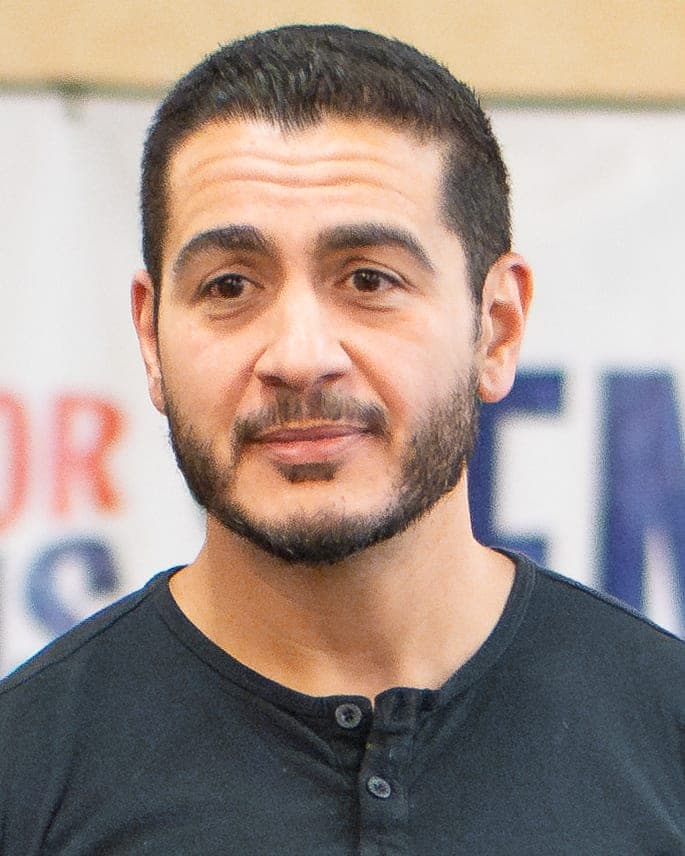
Democratic Senate candidate who gained support from some former Trump voters in the focus group
El-Sayed's version of this story ↗
Discussion · 0
Loading comments…