'I caution Lindsey': JD Vance goes after Sen. Graham by name on live TV
Vance publicly challenged Graham’s doubts about the newly signed U.S.-Iran agreement.
SOURCE CHECK
TAP FOR WHYRaw Story is an established digital news outlet with named authors, but it has a more partisan orientation than major newspapers of record. This short report attributes its central claims to on-air remarks but offers limited independent reporting.
- Source type — National news outlet with an established publishing presence, though not a newspaper of record.
- Editorial standards — The report presents a brief account with direct quotations, but provides little original corroboration or context.
- Author attribution — A named author is credited.
- Transparency — The outlet and author are identified; no correction or sourcing details appear in the article text.
The article uses direct quotations and identifies the competing concern that prompted Vance’s response. It gives little detail about the agreement itself and includes no independent source or substantive response from Graham.
HOW WE SCORE ↗Vance’s defense of the agreement dominates the article, while Graham’s doubts are briefly conveyed through his post and prior criticism. The article offers little independent context or detail about the agreement.
- Source diversity — The account relies chiefly on Vance’s interview and a quotation from Graham’s post.
- Counterarguments presented — Graham’s concern about Iran’s view of the agreement is included, but not developed in his own voice.
- Omitted context — The report gives limited detail about the agreement and no independent assessment of the competing claims.
- Loaded language — Some dramatic wording appears, but it does not overwhelm the factual reporting.
The report mainly recounts Vance’s televised defense of the deal and includes Graham’s skepticism as context. Its language is mildly dramatic, but the article does not clearly advocate a political position.
- Source selection — Vance’s comments dominate, while Graham’s concern is presented through the host’s reading of his post.
- Language tone — Phrases such as “took a shot” and “pushed back hard” add mild drama without substantially changing the account.
- Framing — The article centers on Vance’s challenge to Graham, without a clear ideological endorsement.
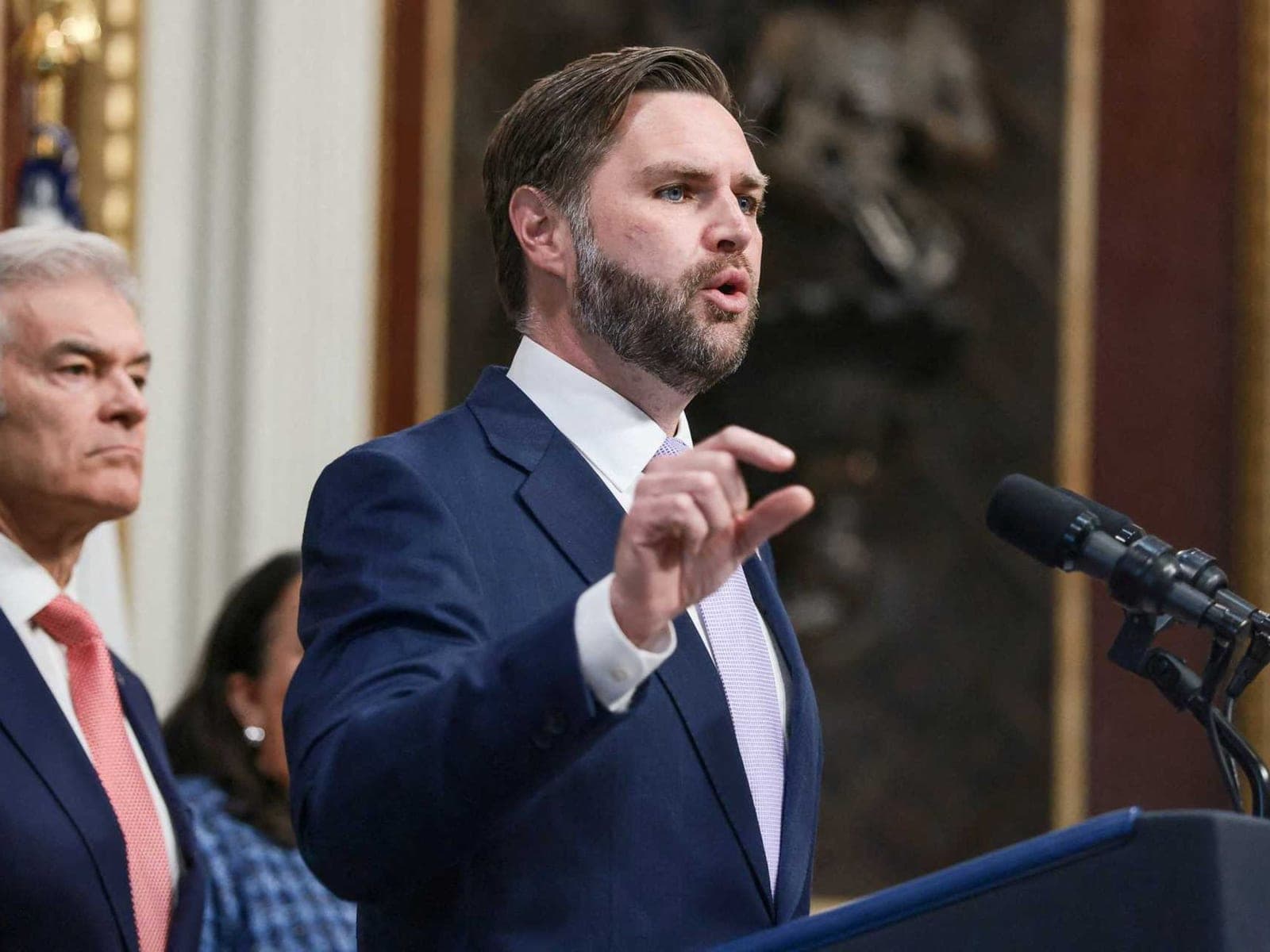
Vice President JD Vance defended the newly signed U.S.-Iran deal on live television and cautioned Sen. Lindsey Graham against doubting it. Graham had questioned whether Iran viewed the agreement as the U.S. negotiating team described it.
On ABC’s Good Morning America, Vance rejected a concern Graham had expressed about Iran’s interpretation of the agreement. Vance urged Graham and others to focus on the deal’s text rather than Iranian hardliner statements, and said the full text would be released that week.
Community verdict
VOTING CLOSED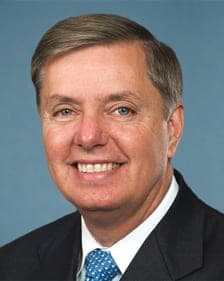
No good or bad look here
This story reports what happened without casting Graham in a good or bad light, so readers don’t rate it and it doesn’t count toward Graham’s record.
People in this story
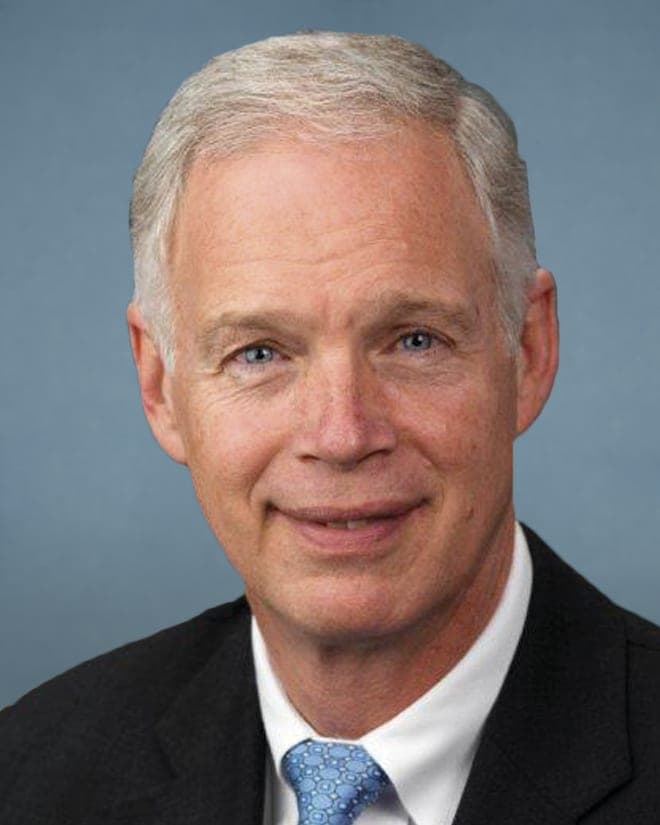
SWIPE →Senator whose doubts about the Iran agreement prompted Vance’s public rebuke
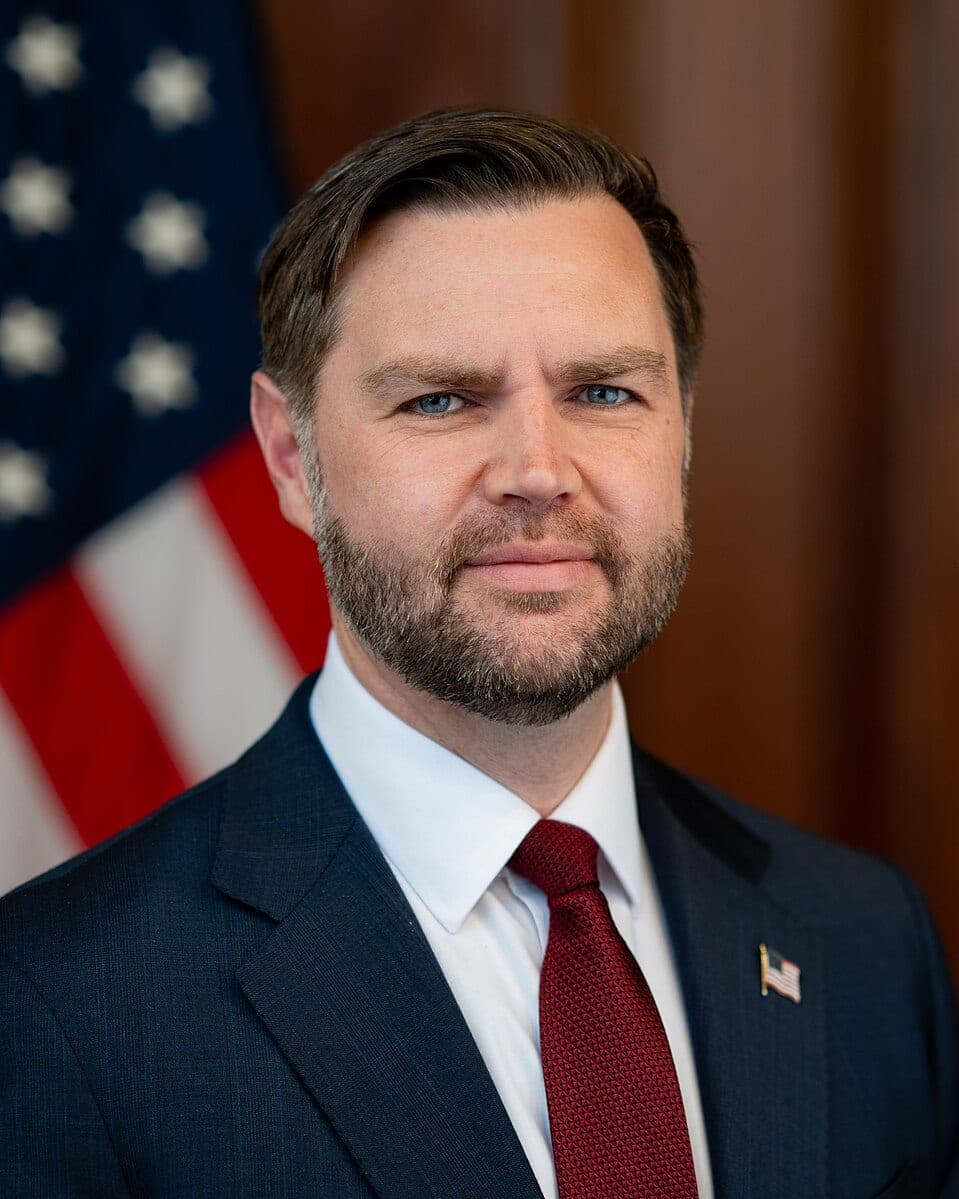
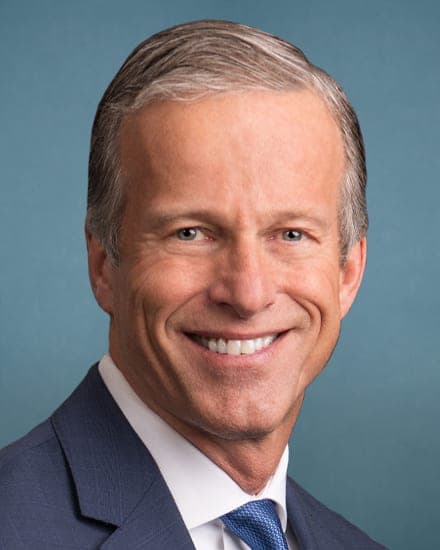
Vice President who defended the agreement and cautioned Graham on television
Vance's version of this story ↗
President and political ally of Graham
Part of a bigger story
9 OUTLETSOutlets agree that President Donald Trump’s Iran memorandum prompted debate among Republicans, including Lindsey Graham. Graham questioned or qualified its terms while also describing possible benefits. Left-leaning outlets emphasize uncertainty and Vance’s public challenge to Graham, with one casting Graham’s later praise as striking. Center outlets focus on the unclear terms and the public disagreement between Trump and Graham. Right-leaning outlets stress Graham’s view that the memorandum could benefit the United States, while differing on whether they foreground Republican criticism or support.
- ARTICLES
- 10
- OUTLETS
- 9
- AVG CRED
- 58
Discussion · 0
Loading comments…