Text of Iran 14-point deal doesn't satisfy GOP critics: 'Reagan is rolling over in his grave'
After speaking with a U.S. envoy, Graham said the agreement could benefit the United States but that a verifiable nuclear deal remained uncertain.

SOURCE CHECK
TAP FOR WHYThe New York Post is an established national outlet with named reporters and direct quotations from public figures. Its tabloid style and the article’s reliance mainly on political statements, with limited independent examination of the deal, temper the score.
- Source type — Established national news outlet, though its tabloid presentation warrants some caution.
- Author attribution — Two reporters are named.
- Transparency — The article attributes statements to named officials and identifies a senior official as the source of the reported deal details.
- Editorial standards — The outlet has an established newsroom, but the article offers limited independent verification of the agreement’s terms.
The article reports specific terms and includes direct statements from lawmakers on different sides of the debate, as well as brief comments from the President and Vice President. It provides little independent assessment of the memorandum or detailed response from the officials negotiating it.
HOW WE SCORE ↗The article gives substantial space to Republican criticism while also reporting Graham’s support for trying the memorandum and the administration’s conditional framing. It does not provide a detailed response from the administration or an independent account of the agreement’s terms.
- Counterarguments presented — Graham’s favorable assessment and Vance’s description of conditional benefits provide a counterpoint to the critics.
- Source diversity — Several lawmakers and political figures are quoted, though most viewpoints are from Republicans.
- Omitted context — The article reports the terms through a senior official but does not offer a detailed negotiation or policy analysis.
- Loaded language — Dramatic characterizations are attributed to their speakers rather than stated as the article’s own conclusions.
The article largely reports and attributes Republicans’ conflicting responses to the agreement, rather than advancing an explicit partisan argument. Critical language is mostly presented as quotations from the people making the criticisms.
- Language tone — Some charged phrasing appears, but the strongest judgments are quoted and attributed.
- Source selection — The article includes both Republican critics and Graham’s more favorable view, alongside brief comments from Trump and Vance.
- Framing — The story is framed around Republican skepticism but also reports a Republican senator’s support for trying the memorandum.
Republican lawmakers criticized the preliminary U.S.-Iran memorandum after details emerged, with Bill Cassidy calling it a major foreign-policy blunder. Lindsey Graham, by contrast, said the agreement could benefit the United States and was worth trying.
A senior official told reporters that the 14-point memorandum would temporarily waive oil sanctions, establish a $300 billion reconstruction fund and use softer language on the Strait of Hormuz. Cassidy argued the agreement did not curb Iran’s nuclear ambitions and would reward threats to the strait; he also cited U.S. service-member deaths and the cost of fuel as reasons he opposed it.
Nikki Haley and former Vice President Mike Pence also criticized the agreement. Susan Collins and Mike Rounds said they had not seen the text; Rounds added that congressional approval would affect whether it had lasting force. Graham said, after speaking with special envoy Steve Witkoff, that opening the strait and ending hostilities could benefit the United States, while the prospects for an acceptable, verifiable nuclear deal remained uncertain. Vice President J.D. Vance said Iran’s benefits would depend on the regime meeting its commitments, and President Donald Trump joked that he would claim credit if the deal worked and blame Vance if it did not.
Community verdict
20 VOTES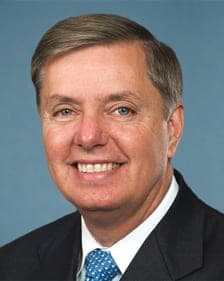
People in this story
SWIPE →Senator expressing support for trying the memorandum

Senator criticizing the preliminary Iran agreement
Cassidy's version of this story ↗
Senator who declined to comment before seeing the agreement’s text
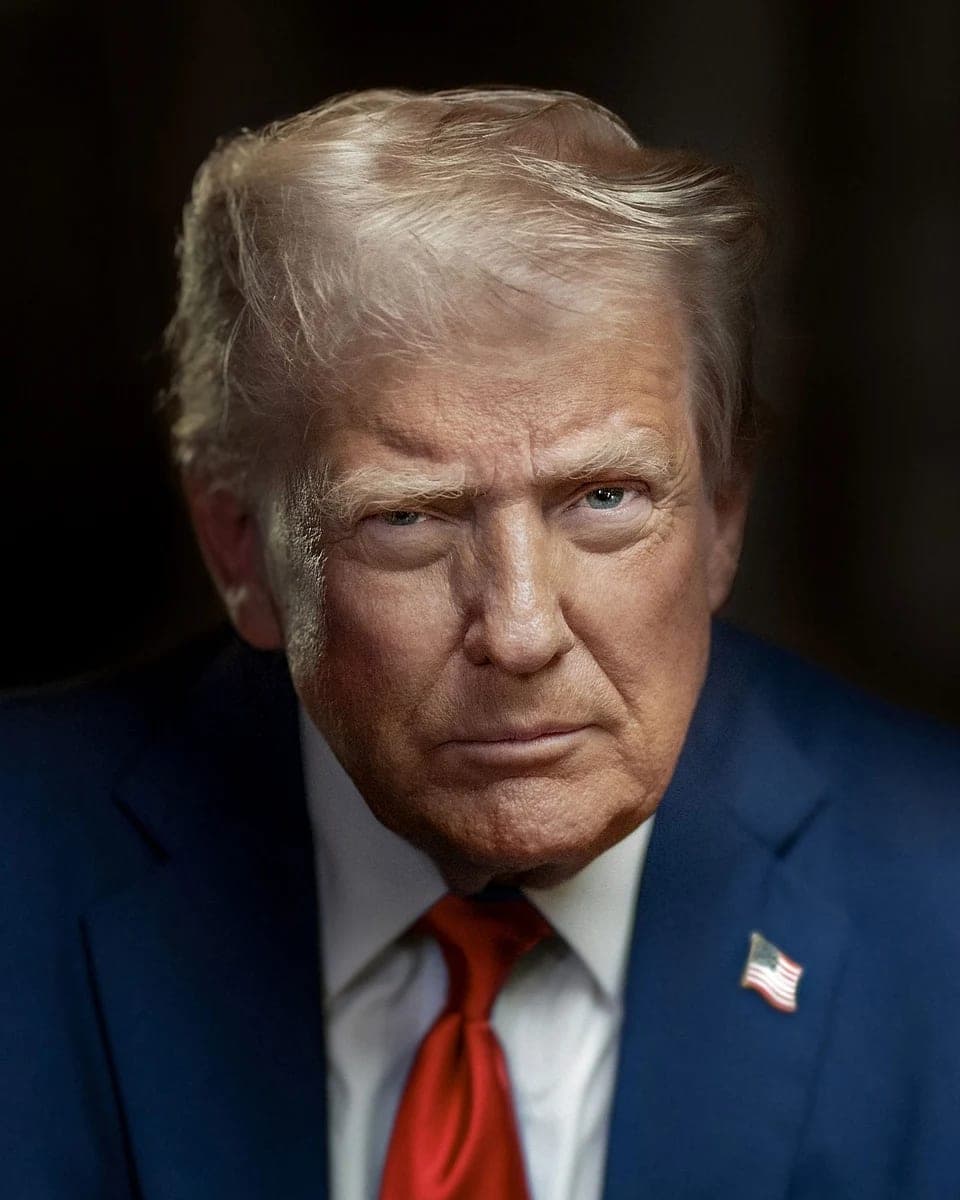
President commenting on the memorandum
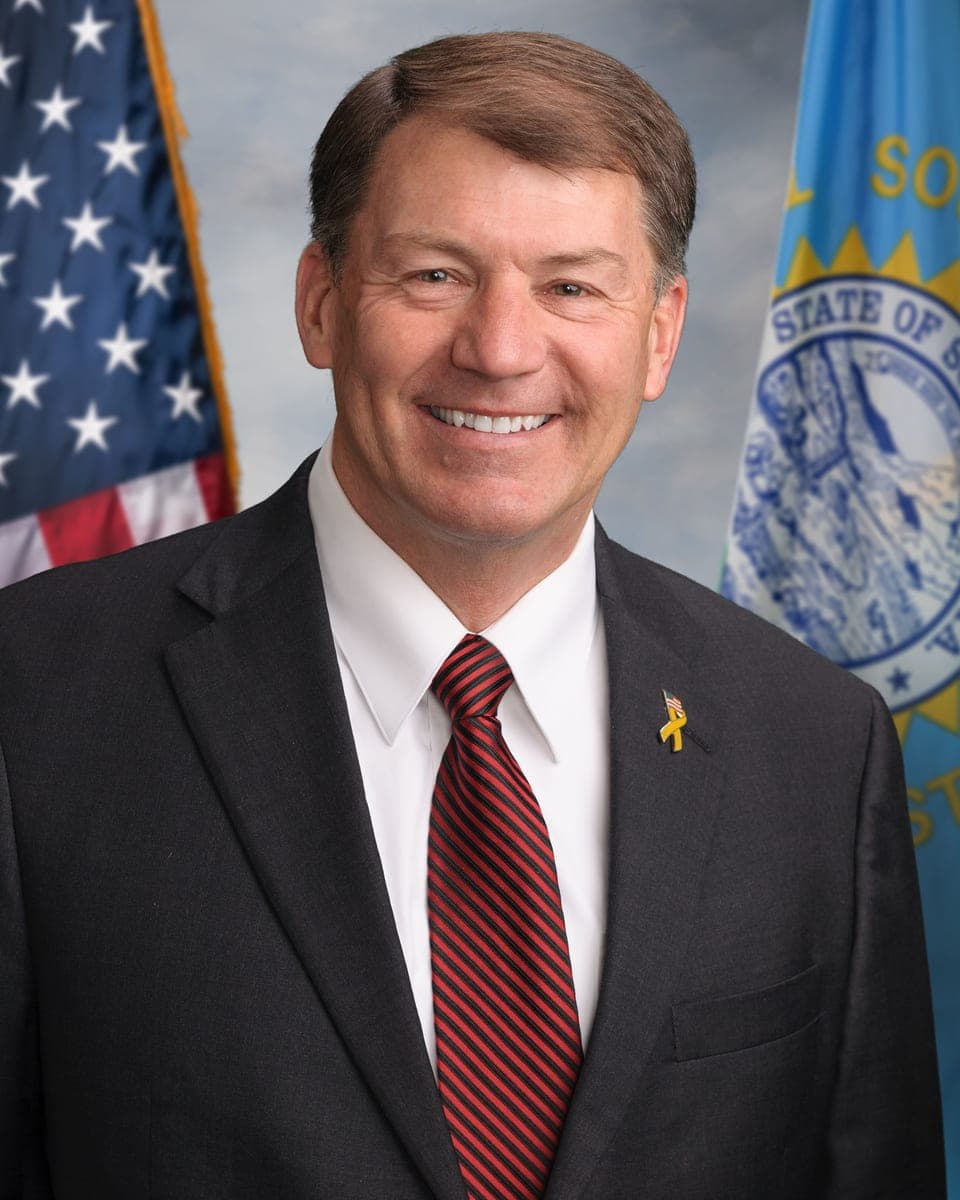
Senator who said he would wait to review the text and discussed congressional approval

Vice President and architect of the memorandum
Part of a bigger story
9 OUTLETSOutlets agree that President Donald Trump’s Iran memorandum prompted debate among Republicans, including Lindsey Graham. Graham questioned or qualified its terms while also describing possible benefits. Left-leaning outlets emphasize uncertainty and Vance’s public challenge to Graham, with one casting Graham’s later praise as striking. Center outlets focus on the unclear terms and the public disagreement between Trump and Graham. Right-leaning outlets stress Graham’s view that the memorandum could benefit the United States, while differing on whether they foreground Republican criticism or support.
- ARTICLES
- 10
- OUTLETS
- 9
- AVG CRED
- 58

Discussion · 0
Loading comments…