Justice Department begins releasing Epstein files... What's next?
Khanna says the initial release is incomplete and that Congress may press for further disclosure.
SOURCE CHECK
TAP FOR WHYCredibility rates Public Radio East, which republished this story. The other scores rate the article itself.
Public Radio East is a local public-radio outlet, and the page identifies the interview transcript as provided by NPR and copyrighted by NPR. The credited transcript source and named interviewers support transparency, though the page itself offers limited information about correction practices.
- Source type — Established local public-radio outlet; the reporting is an NPR interview transcript.
- Transparency — The transcript identifies NPR as its provider and rights holder.
- Author attribution — The interviewers and Khanna are identified by name.
- Correction history — The transcript notice says it may be updated, but no correction policy is described.
The interview includes detailed claims from Khanna and pointed questions about the release, enforcement and possible political use of the files. The Justice Department's response is not included, so the account relies heavily on one participant's characterization of the records.
HOW WE SCORE ↗The host raises counterpoints about previously released material, the lack of a compulsory mechanism in the legislation, and potential partisan use of the files. The interview does not include a response from the Justice Department or another official responsible for the release.
- Source diversity — Khanna provides the substantive account; no Justice Department representative is heard.
- Counterarguments presented — The host questions the completeness and enforceability of Khanna's claims and asks about political motives.
- Opinion vs reporting — The interview format distinguishes the host's questions from Khanna's attributed views.
- Loaded language — Strong characterizations, including claims of excessive redactions, are attributed to Khanna.
The interview reports Khanna's claims while the host asks probing questions about the completeness of the release and the possibility of using it against President Trump. The transcript does not adopt either side's characterization as fact.
- Language tone — The host's questions and Khanna's answers are presented without an evident editorial verdict.
- Framing — The interview focuses on what was released and what steps could follow.
- Source selection — Khanna is the principal interviewee, while the host raises questions that challenge his framing.
Republished with credit
Republished from NPR, with credit to the original publisher.
119 stories · 88–89 · updated Oct 12, 2026
This is NPR's own score, and this article is credited to NPR. The host score in the Source Check is Public Radio East's.
The Justice Department released thousands of pages of Epstein files, but Rep. Ro Khanna said the material appeared heavily redacted and incomplete. Khanna called for further disclosures and said Congress could consider enforcement measures if the department does not comply with the law.
The Justice Department released thousands of pages of Epstein-related records on the day of a deadline. Rep. Ro Khanna, a cosponsor of the Epstein Files Transparency Act, said the initial release included excessive redactions and appeared to contain material already made public. He said he was looking for a draft indictment, witness interviews and grand jury records, with redactions limited to protecting victims.
Khanna argued that failure to comply with the law could expose Justice Department officials to obstruction-of-justice prosecution. He also raised impeachment hearings or inherent contempt as possible congressional responses, while saying he first wanted an explanation and a timeline for further releases. He said his focus was accountability for people who abused underage girls or covered up abuse, and that he and Rep. Thomas Massie would continue pressing for the files.
Community verdict
22 VOTES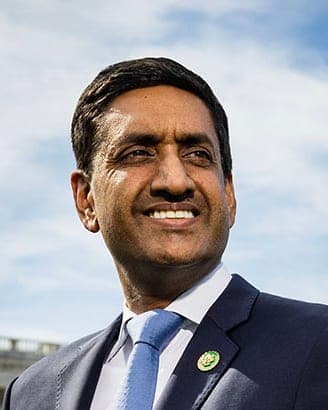
Counts every outlet’s report of this story. See all 39
Votes cast on this page
Votes cast on this page: ▲ 0 · ◆ 0 · ▼ 0
People in this story
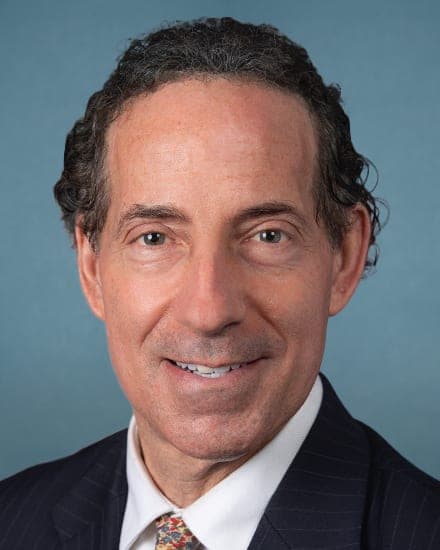
SWIPE →Representative discussing the Justice Department's release of Epstein records and possible congressional responses
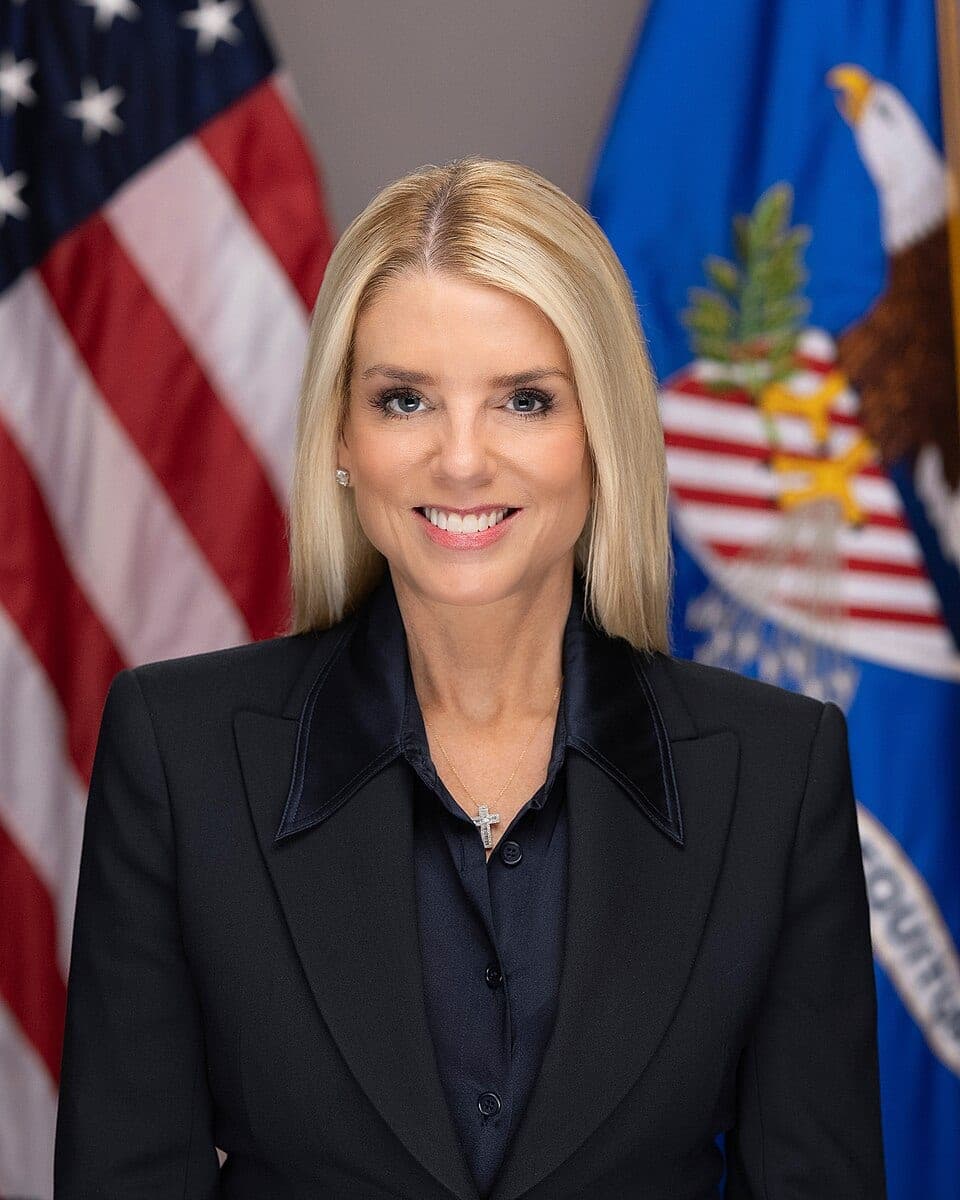
Attorney general mentioned as a possible subject of impeachment hearings
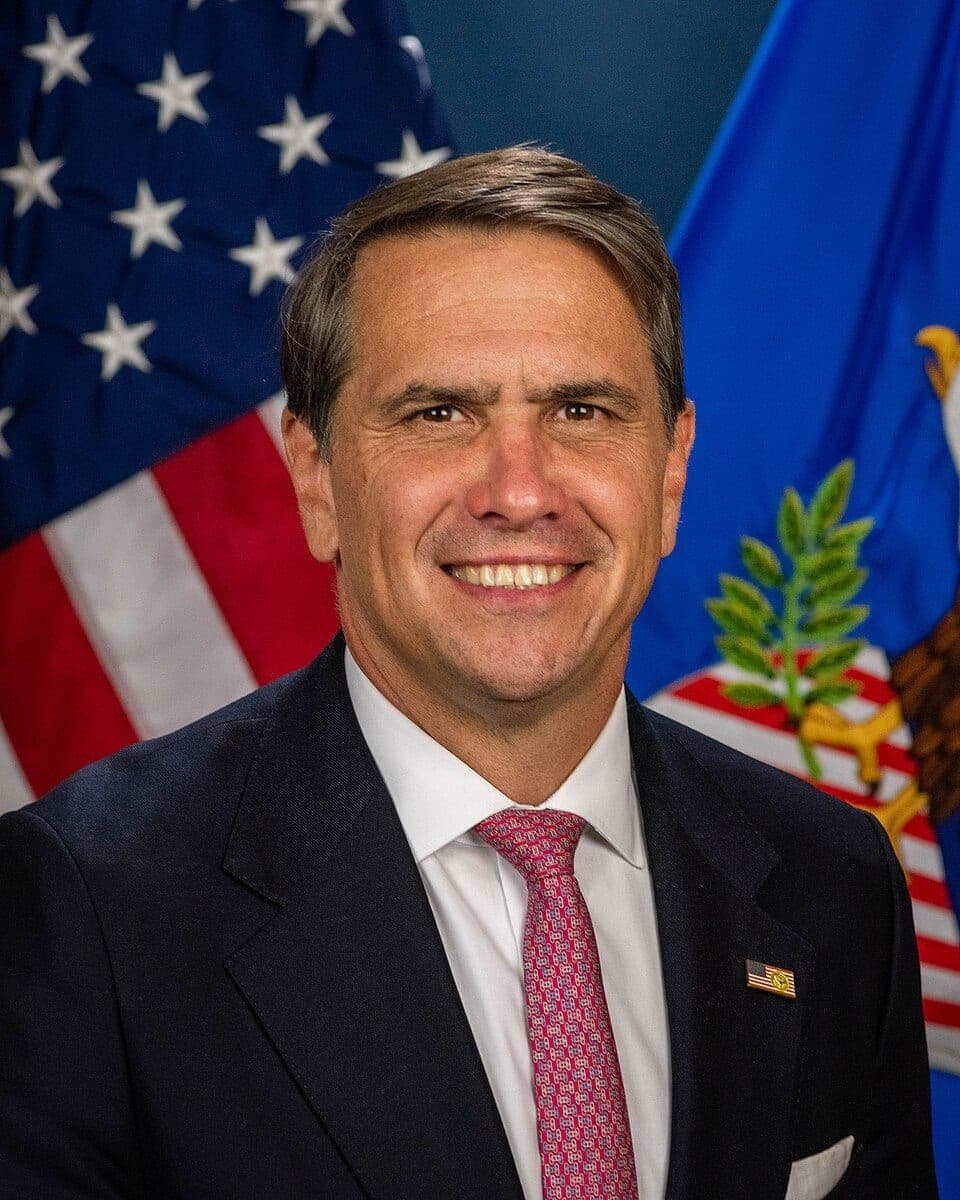
Deputy attorney general, discussed in connection with the release and its timeline

President mentioned in discussion of enforcement and possible political use of the files

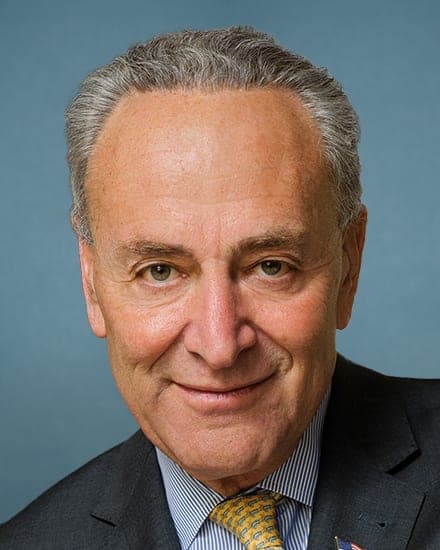
Representative and cosponsor of the Epstein Files Transparency Act
Part of a bigger story
30 OUTLETSThe Justice Department released Epstein-related records in a partial, heavily redacted batch. Rep. Ro Khanna and Rep. Thomas Massie said they were preparing or considering inherent-contempt action against Attorney General Pam Bondi over the release. Left-leaning outlets frame Khanna’s push as accountability for redactions and omissions, with some questioning whether powerful people are being protected. Center outlets detail proposed congressional remedies and competing claims about legal compliance. Right-leaning outlets also stress the bipartisan push for fuller disclosure, often alongside the department’s defense.
- ARTICLES
- 39
- OUTLETS
- 30
- AVG CRED
- 63
- Cbc · Authorities were hot on the trail of Epstein's co-conspirators. Why weren't they named in the document dump?
- Daily Mail · Epstein docs bombshell exposes 10 possible coconspirators
- The Independent · Epstein survivors blast 'unacceptable' partial release of files as Congress members weigh legal options over DOJ's missed deadline
Discussion · 0
Loading comments…