Republicans attacking Abdul El-Sayed say he supports Shariah in the US. That distorts an old video.
PolitiFact says clips of El-Sayed’s speech omit context and do not support the claim that he called for Shariah to replace U.S. law.
SOURCE CHECK
TAP FOR WHYPolitiFact is an established fact-checking newsroom with an identifiable author and a transparent practice of evaluating public claims. This article identifies the source material and provides context for its conclusion.
- Track record — Established fact-checking outlet with a substantial record of evaluating public claims.
- Editorial standards — The article explains its ruling and presents the relevant speech context rather than relying only on the disputed clip.
- Author attribution — The article names Amy Sherman as its author.
- Transparency — It identifies the claim, the social media post, and the speech it assesses.
The article quotes the relevant speech and supplies historical context, a court ruling, and El-Sayed’s later comments on religion and government. The analysis is specific, though the article provides limited direct sourcing from the people making the accusations and relies partly on previously reported expert comments.
HOW WE SCORE ↗The article presents the accusation and tests it against the full speech and historical context. It does not offer substantive explanations from the people making the accusations, and its concluding language is pointed.
- Counterarguments presented — The accusation is stated, but the accusers’ reasoning beyond the clipped video is not developed.
- Source diversity — The article uses the speech and historical context, while direct sourcing from opposing political figures is limited.
- Opinion vs reporting — The piece presents a fact-check ruling supported by quoted material, though its final characterization is emphatic.
- Loaded language — The phrase “not only wrong but ridiculous” adds a dismissive tone.
The article’s fact-check challenges claims made by conservative figures and uses emphatic language in describing the claim. Its conclusion is tied to the quoted speech and contextual evidence rather than a broad partisan argument.
- Framing — The article centers on correcting claims about a Democratic Senate candidate.
- Language tone — The ruling calls the claim not only wrong but ridiculous.
- Source selection — It relies mainly on the speech, historical context, and prior comments from El-Sayed; it gives little space to the accusers’ rationale.
PolitiFact says social media claims that Michigan Senate candidate Abdul El-Sayed called for Shariah to become U.S. law distort his 2022 speech, which discussed an Oklahoma ban and urged unity. The outlet rated the claim “Pants on Fire.”
Republican influencer Avery Daye posted clips of a 2022 speech by Abdul El-Sayed, and the post claimed he supports making Shariah U.S. law. PolitiFact says the clips omit context: El-Sayed discussed Oklahoma’s ban on Shariah while speaking about discrimination and called for unity, but did not call for Shariah to replace American laws.
The article says Republican politicians Nancy Mace and Ted Cruz have made similar accusations. It also notes that El-Sayed is the Democratic Senate nominee and will face Republican Mike Rogers in the general election. PolitiFact rated the social media claim “Pants on Fire.”
Community verdict
9 VOTES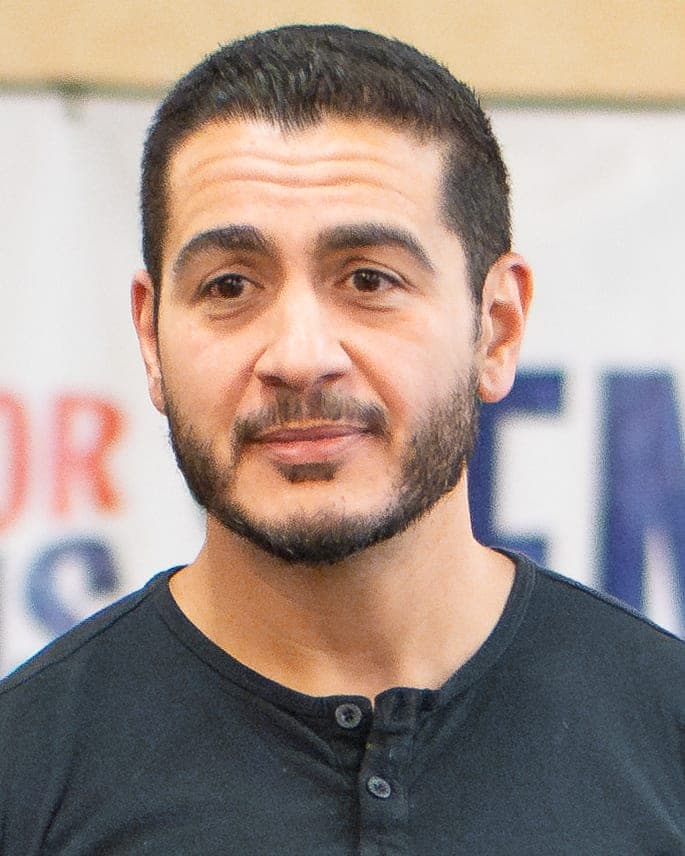
People in this story
SWIPE →Michigan Democratic U.S. Senate nominee whose 2022 speech is at the center of the fact-check
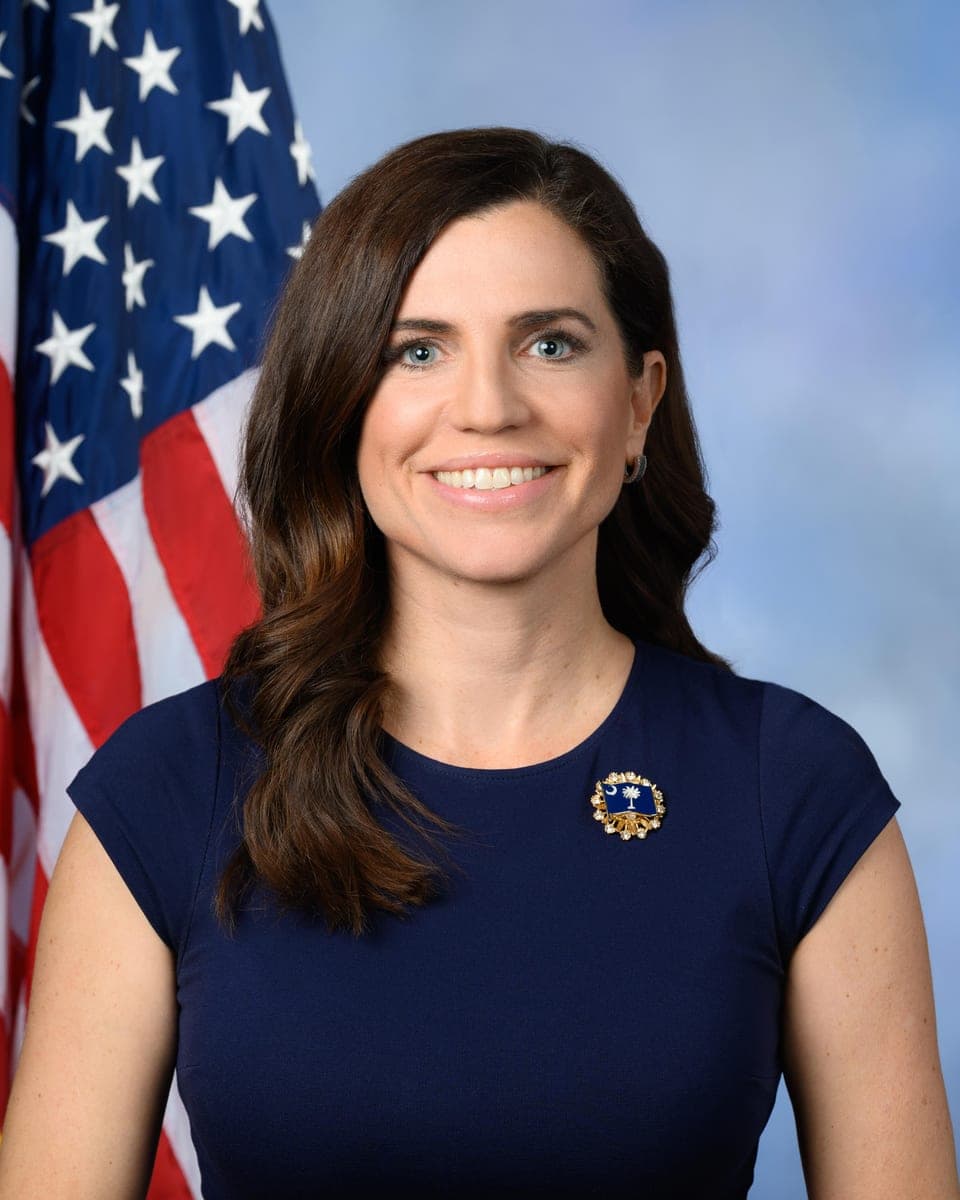
Representative who made similar accusations about El-Sayed
Republican Senate candidate opposing El-Sayed in the general election
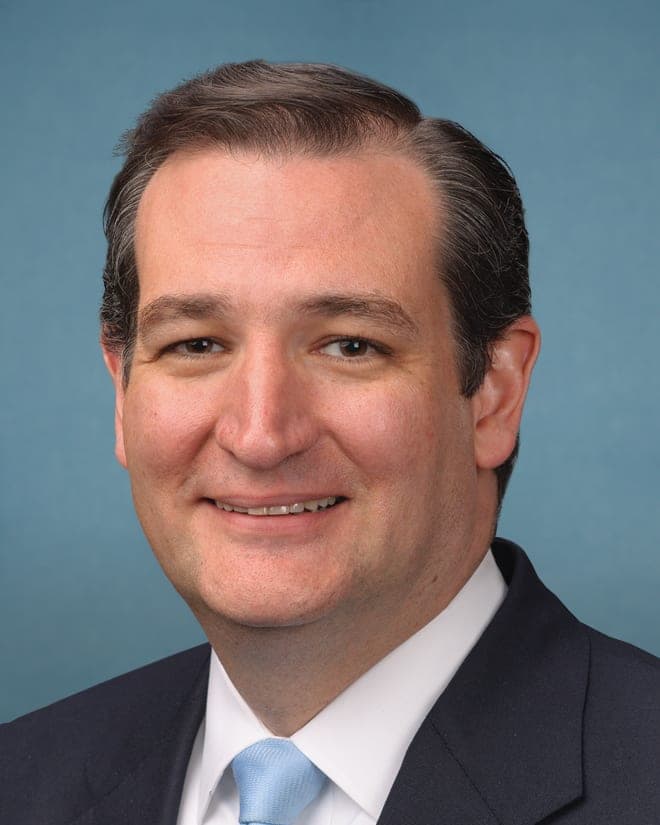
Senator who made similar accusations about El-Sayed
Discussion · 0
Loading comments…