PolitiFact | AI ads skewed Talarico's words and positions. It's part of a changing scene in political advertising
AI-generated ads portray Talarico in fabricated scenes and distort some of his real remarks.
SOURCE CHECK
TAP FOR WHYPolitiFact is an established fact-checking newsroom, and this article identifies its author and cites interviews, public records, ad-library data and other reporting. The article’s sourcing is transparent, although the group behind the ads did not respond to questions.
- Source type — An established national news and fact-checking outlet.
- Author attribution — The article names its reporter.
- Transparency — A source list identifies interviews, records, data and related reporting.
Quality of the journalism in this article itself — sourcing, evidence, balance — independent of the host site's reputation.
HOW WE SCORE ↗The article supports its account with examples and outside expertise, includes Talarico’s campaign response, and says Citizens for Sanity did not respond. The creators’ rationale or perspective is therefore not represented beyond the ads themselves.
- Source diversity — Includes experts, the campaign’s response, ad-library data and cited public material.
- Counterarguments presented — The ad group’s lack of response is disclosed, but its perspective is not otherwise represented.
- Omitted context — The article provides context for several real remarks used in the ads.
- Loaded language — Critical descriptions are linked to specific depictions or attributed assessments.
The article uses largely descriptive language, provides examples and contextual checks, and attributes judgments about potential effects to experts. Its criticism of the ads is tied to specific distortions and the article does not present an evident partisan framing.
- Language tone — Mostly descriptive; concerns about effects are attributed to named experts.
- Source selection — Includes experts, ad data, a campaign response and a note that the ad group did not respond.
- Framing — Focuses on how AI ads depict or distort a candidate and the broader advertising trend.
AI-generated ads from conservative nonprofit Citizens for Sanity depict Texas Senate candidate James Talarico saying and doing things he did not, while other ads distort his real remarks. The story examines how AI is changing political advertising and the challenges voters face distinguishing real from fabricated content.
Citizens for Sanity published AI-generated ads depicting Talarico in fabricated scenes and attributing statements to him that he did not make. The article says some ads also use real remarks but omit context, including his comment that the border should have a welcome mat and a lock on the door. Talarico has said he opposes gender reassignment surgery for minors. His campaign spokesperson accused Ken Paxton and special interests of distorting Talarico’s likeness to fuel misleading attacks.
The article reports that the ads received roughly 1.4 million Facebook impressions, and experts warn that AI-generated political content may grow and make it harder for voters to distinguish truth from fiction. Texas law prohibits political deepfakes in the 30 days before an election. The story also notes a separate AI-generated image of Talarico posted by Gov. Greg Abbott and says Google’s AI tool found that most or all of it was edited or generated with Google AI.
Community verdict
VOTING CLOSED
No good or bad look here
This story reports what happened without casting Talarico in a good or bad light, so readers don’t rate it and it doesn’t count toward Talarico’s record.
People in this story
SWIPE →
President whose administration’s use of AI imagery is cited as a normalizing influence
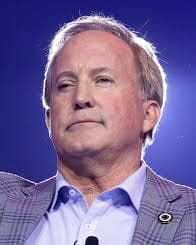
Talarico’s Republican Senate opponent, cited as a critic who omitted context from Talarico’s border remarks
Part of a bigger story
2 OUTLETS- ARTICLES
- 2
- OUTLETS
- 2
- AVG CRED
- 83
Discussion · 0
Loading comments…