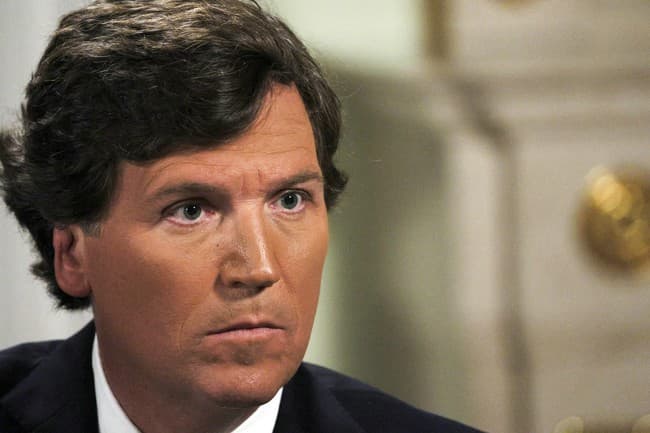
Bad News, Abdul. Tucker Carlson Wants to Be Your Bestie.
O’Brien criticizes Carlson’s praise of El-Sayed and questions the candidate’s campaign positioning.
SOURCE CHECK
TAP FOR WHYThe page is an explicitly opinionated column with a named author, rather than a piece of original, independently sourced news reporting. The article offers some attributable quotes but makes several serious claims and predictions without presenting supporting evidence.
- Source type — The article is an opinion column with an overtly partisan perspective, not straight reporting.
- Author attribution — A named author is identified, providing basic accountability.
- Editorial standards — The text makes substantial claims about motives and political beliefs without substantiating them.
- Transparency — Some remarks are attributed to Carlson and Enjeti, but the column provides little sourcing for its broader assertions.
The column includes attributable excerpts from Carlson and Enjeti, but relies heavily on the author’s interpretation, insults, speculation and unsupported predictions about the candidates’ motives and beliefs. It provides little independent evidence or meaningful counterargument.
HOW WE SCORE ↗This is a one-sided opinion column that relies on the author’s criticism and interpretation. Carlson and Enjeti are quoted, but neither a response from El-Sayed nor a developed counterargument is presented.
- Counterarguments presented — No response from El-Sayed or a sustained defense of the positions being criticized appears.
- Loaded language — The column repeatedly uses inflammatory and disparaging language.
- Opinion vs reporting — The article is plainly an opinion column and presents the author’s judgments as its central argument.
- Source diversity — The piece includes a few attributed comments but little diversity of independent sources.
The article strongly favors a pro-Trump, pro-Israel conservative perspective and uses loaded language to condemn Carlson and El-Sayed. Its framing treats their political positions as evidence of disloyalty and opportunism.
- Language tone — Uses highly charged labels and personal insults, including describing El-Sayed as anti-American and Carlson as an opportunist.
- Framing — Frames Carlson’s praise of El-Sayed as a strategic threat to Republican and independent voters.
- Source selection — Relies on a Carlson interview excerpt and the author’s own interpretation, without presenting an opposing perspective.
Tim O’Brien criticizes Tucker Carlson for praising Michigan Senate candidate Abdul El-Sayed and saying he would not vote for Republican Mike Rogers. O’Brien argues Carlson’s comments could weaken Republican support in Michigan.
In an opinion column, Tim O’Brien argues that Tucker Carlson’s praise of Abdul El-Sayed signals a break with conservative and pro-Israel politics. O’Brien characterizes El-Sayed’s campaign as a shift toward the political center and says he expects the candidate to return to more left-wing positions if elected.
Community verdict
7 VOTES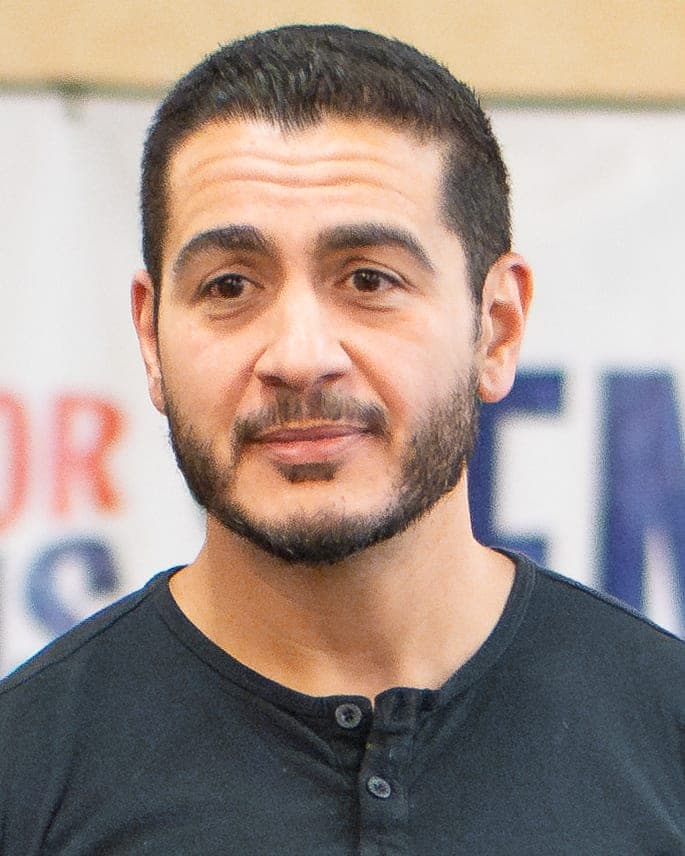
People in this story
SWIPE →Michigan Senate candidate whose campaign and Carlson’s praise are central to the column.

Representative mentioned among former MAGA allies whom the author criticizes.
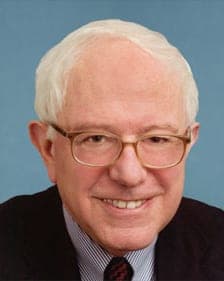
Senator used as a point of comparison for the author’s characterization of El-Sayed’s politics.
Michigan Senate candidate identified in the article as Mike Rogers and as El-Sayed’s Republican opponent.
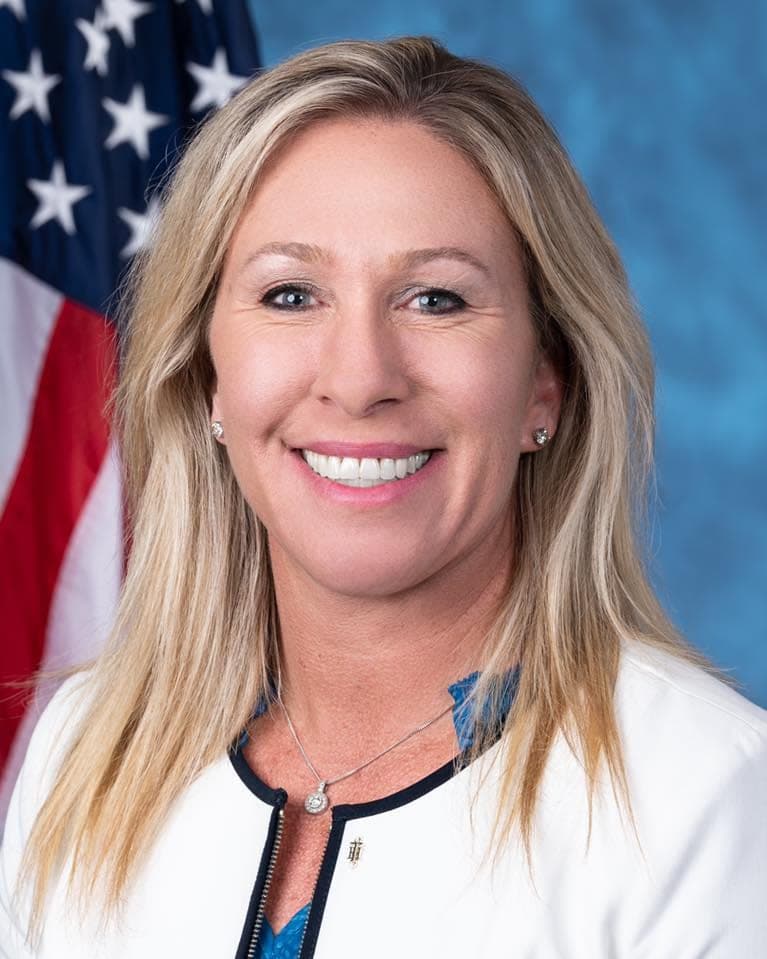
Political figure mentioned among former MAGA allies whom the author criticizes.

Representative used as a comparison in the author’s characterization of El-Sayed.
Part of a bigger story
3 OUTLETS- ARTICLES
- 3
- OUTLETS
- 3
- AVG CRED
- 58
Discussion · 0
Loading comments…