Could Abdul El-Sayed's Anger and Hatred Propel Him Into the Senate?
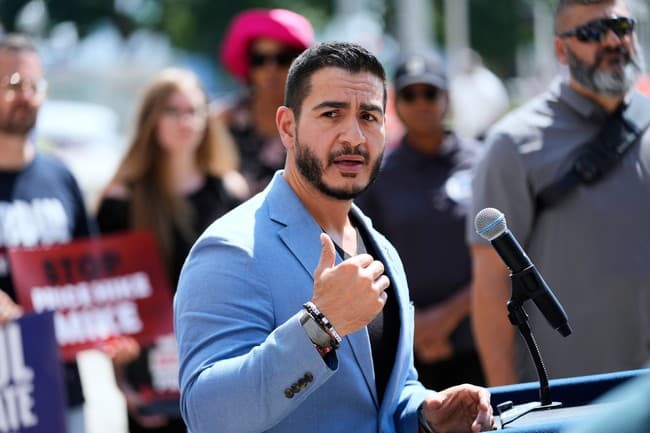
The column discusses polls showing El-Sayed ahead of Mike Rogers and considers whether anger could help him win.
SOURCE CHECK
TAP FOR WHYPJ Media is an opinion-oriented publisher, and this piece is a clearly attributed column rather than independent straight-news reporting. It cites Newsweek for polling claims, but the article provides little original sourcing or editorial context.
- Source type — Opinion publisher and explicitly argumentative commentary.
- Author attribution — The column identifies its author.
- Transparency — The article attributes polling information to Newsweek but offers limited sourcing beyond that.
- Editorial standards — The page does not establish a corrections practice or detailed reporting standards.
The column identifies Newsweek as the source for the polling and quotes campaign rhetoric, but presents a strongly argued interpretation with little direct sourcing, opposing perspective, or examination of the polls’ methods. Much of the piece is a historical analogy rather than reporting on the current race.
HOW WE SCORE ↗This is a one-sided opinion column: it presents polling and campaign rhetoric but does not include El-Sayed’s response or a substantive counterargument. Its evaluative language reinforces the author’s position.
- Counterarguments presented — No substantive defense of El-Sayed or opposing interpretation is provided.
- Loaded language — The column uses repeated inflammatory descriptions of El-Sayed.
- Opinion vs reporting — The piece is presented as an argument about what Rogers should learn from history.
- Source diversity — Limited current-race sourcing, with polling attributed to Newsweek and one Rogers quotation.
The column uses strongly negative labels for El-Sayed and frames his possible election as a danger, while presenting the race through a conservative, anti-left perspective. Its language and framing make the political lean unmistakable.
- Language tone — Uses charged labels including “communist,” “Sharia-adherent,” and “America-haters.”
- Framing — Frames a possible El-Sayed victory as an “immense tragedy” and advises Rogers on how to counter him.
- Source selection — Relies on polling coverage attributed to Newsweek and a quote from Rogers, without presenting El-Sayed’s perspective.
The article discusses polls showing Abdul El-Sayed leading Republican Mike Rogers in Michigan’s Senate race and argues that Rogers should consider how Harry Truman’s aggressive 1948 campaign defeated Thomas E. Dewey. The author says the polls could be uncertain, but that anger may help El-Sayed.
Citing Newsweek, the author reports that two September surveys showed El-Sayed ahead of Rogers, with one poll finding a near-even race and another showing a wider Democratic advantage. The author notes that polling uncertainty could affect the results and suggests that anger may be resonating with voters. Rogers is quoted framing the choice as “divisiveness and anger” versus “the promise of America.”
The article compares Rogers’s position to Dewey’s 1948 campaign, which the author describes as relying on soothing generalities while Truman campaigned aggressively. It argues that Rogers should take note of that history and concludes that El-Sayed could win, which the author calls an “immense tragedy.”
Community verdict
VOTING CLOSED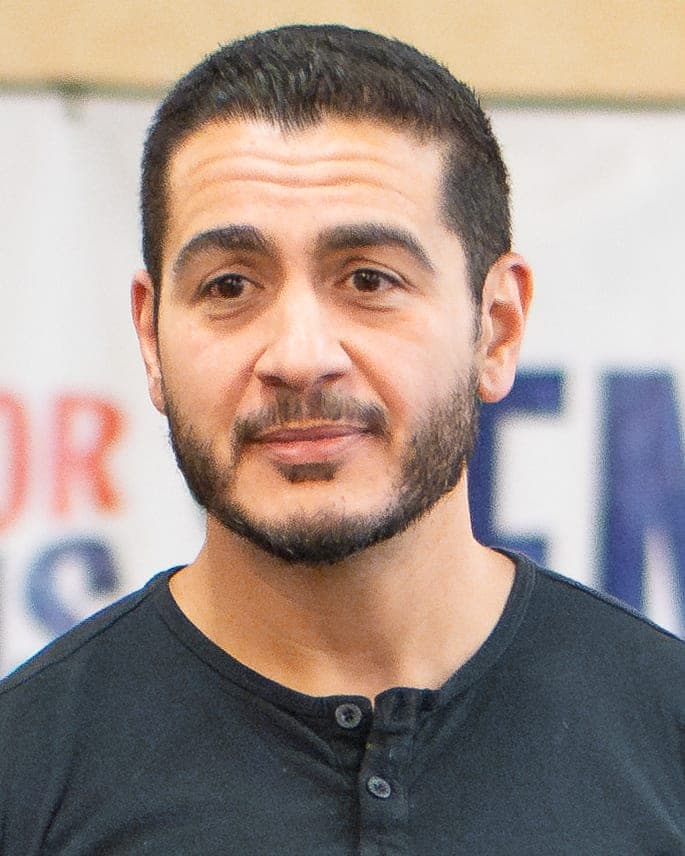
No good or bad look here
This story reports what happened without casting El-Sayed in a good or bad light, so readers don’t rate it and it doesn’t count toward El-Sayed’s record.
People in this story
SWIPE →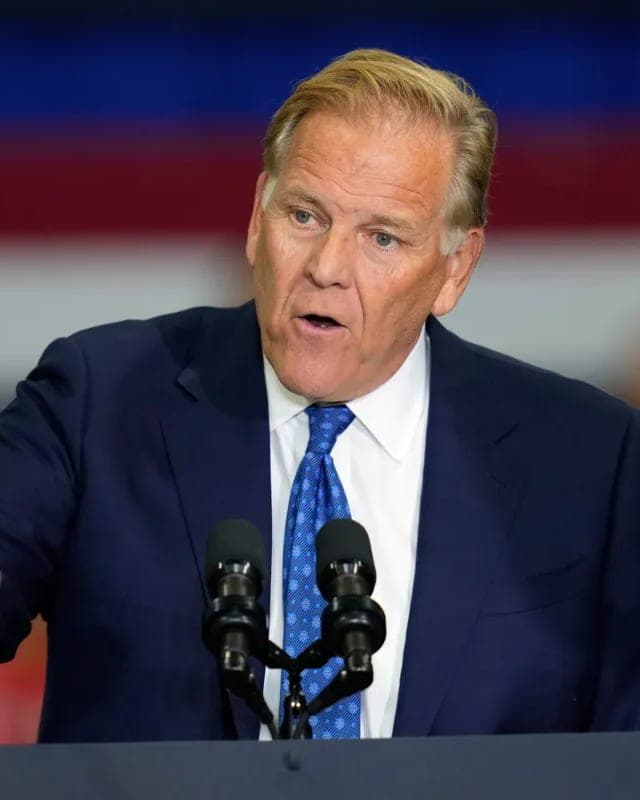
Former vice president and 1948 presidential candidate
Discussion · 0
Loading comments…