What's next once Trump signs bill releasing Epstein files
Trump reversed his opposition to the bill and indicated he would sign it, while his administration also ordered an investigation into Epstein's ties to political opponents.

SOURCE CHECK
TAP FOR WHYCredibility rates Ocregister, where this article appeared. The other scores rate the article itself.
The reporting is credited to the Associated Press, a major wire service with established editorial practices and a strong record of original reporting. The article identifies its author and attributes claims to named speakers.
- Source type — Associated Press reporting, a major wire-service source.
- Author attribution — The article is explicitly credited to Stephen Groves and the Associated Press.
- Editorial standards — The wire-service attribution supports confidence in established editorial standards.
- Transparency — The story attributes key claims to named officials and lawmakers.
The article provides specific provisions and timelines, quotes several officials and lawmakers, and presents both the case for disclosure and concerns about privacy and fairness. It offers useful detail, though the range of independent perspectives is limited.
HOW WE SCORE ↗The article includes arguments for public disclosure alongside concerns about victim privacy, fairness, and possible use of active investigations to withhold records. It could provide more independent or survivor perspectives directly.
- Counterarguments presented — Concerns about victim privacy, fairness, and withholding records appear alongside proponents' calls for transparency.
- Source diversity — Several lawmakers and the attorney general are quoted, but independent voices are limited.
- Opinion vs reporting — Claims and opinions are attributed rather than presented as the author's verdict.
- Omitted context — The story gives limited direct perspective from survivors and independent legal experts.
The article uses a straightforward explanatory frame, attributes opinions to their speakers, and describes both the disclosure goal and potential harms without adopting a partisan verdict.
- Language tone — Mostly factual and restrained wording.
- Framing — Explains both the release requirements and the risks raised about disclosure.
- Source selection — Quotes proponents and officials responsible for implementing the law.
Original publisher not identified
This article credits another publisher, which ChamberLight has not identified, so the scores are Ocregister's own.
Congress passed a bill requiring the Justice Department to release its Epstein case files, and President Donald Trump indicated he would sign it. The article explains the release timeline, what information can be withheld, and concerns about protecting victims and people named in the records.
The House and Senate passed the bill with overwhelming margins after Trump reversed his opposition and indicated he would sign it. Once signed, the bill gives the Justice Department 30 days to release case files and internal communications related to Jeffrey Epstein, with some exceptions for victim-identifying information, child sexual abuse material, classified information, and active investigations or prosecutions.
The article notes concerns that opening investigations could be used to withhold information, and that releasing unvetted material could harm victims or people named in the files. Attorney General Pam Bondi said the department would follow the law while protecting victims. Rep. Thomas Massie said he wanted FBI interview reports released, while he and Rep. Marjorie Taylor Greene offered to read names of people accused on the House floor.
Community verdict
16 VOTES
Counts every outlet’s report of this story. See all 55
- Readers of left-leaning coverage: 77% good look
- Readers of right-leaning coverage: not enough votes yet
Votes cast on this page
Votes cast on this page: ▲ 0 · ◆ 0 · ▼ 0
People in this story
SWIPE →President whose administration must implement the bill

Kentucky representative and sponsor of the bill
Massie's version of this story ↗
Attorney General responsible for the Justice Department's release of records

House Speaker who raised concerns about possible disclosures and voted for the bill

Georgia representative who backed disclosure and challenged the administration to comply
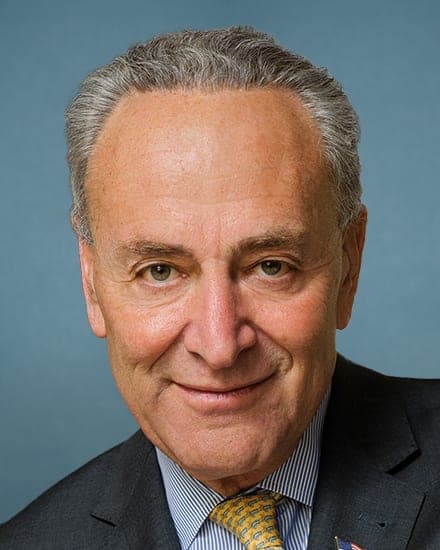
Senate Democratic leader who called for transparency and warned of possible pushback
Part of a bigger story
42 OUTLETSCongress passed a bill requiring the Justice Department to release Epstein-related files, with the House and Senate both approving it. Trump, who had opposed the effort, later urged Republicans to support it. Left-leaning outlets frame passage as overcoming resistance to disclosure and as a rebuke to Trump. Center outlets mainly track the votes and Trump's reversal, with some describing passage as a political rebuke. Right-leaning outlets foreground Trump's eventual backing and, in some articles, partisan conflict around the measure.
- ARTICLES
- 55
- OUTLETS
- 42
- AVG CRED
- 70
- Boulder Daily Camera · Page: Epstein case exposes divisions in MAGA unity, but for a good cause
- Jefferson City News Tribune · Republicans hyped Epstein files for years — now Trump's under pressure to deliver
- Yahoo News · Trump officials say president is plotting new wave of retribution after Epstein bill vote: 'Democrats are going to come to regret this'

Discussion · 0
Loading comments…