Is Obama Riding to El-Sayed's Rescue as Black Voter Trouble Mounts? [WATCH]
The article examines El-Sayed’s efforts to address concerns about his support among Black voters.
![Is Obama Riding to El-Sayed's Rescue as Black Voter Trouble Mounts? [WATCH]](/_next/image?url=https%3A%2F%2Fednivaxszkpwavjtyuwm.supabase.co%2Fstorage%2Fv1%2Fobject%2Fpublic%2Farticle-images%2F10%2F10a938a00798ef12289b4ad9cbd93f06bbdb6d9f661ae2595c11cc90d12f0a95.jpg&w=1920&q=75)
SOURCE CHECK
TAP FOR WHYThe publisher is identified as an opinion outlet, the byline is unknown, and the piece relies substantially on interpretations and reporting attributed to other publications. Its named references add some traceability, but the page provides little evidence here of independent reporting or editorial accountability.
- Source type — Recorded as an opinion publisher; the article advances a political interpretation rather than presenting only straight reporting.
- Author attribution — No author is identified in the article metadata.
- Transparency — The article names several publications and commentators whose reporting or statements it relies on.
- Editorial standards — The available material does not establish correction practices or broader editorial standards.
The article identifies publications and named commentators behind several claims, but it largely synthesizes their views, offers limited direct evidence, and does not include a response from El-Sayed’s campaign or voters skeptical of him.
HOW WE SCORE ↗The piece gathers several claims about El-Sayed’s difficulty with Black voters but does not present a substantive response from his campaign or comparable evidence supporting a different interpretation of Obama’s visit.
- Source diversity — Several commentators and publications are cited, but the sources largely reinforce the same concern.
- Counterarguments presented — No direct counterargument from El-Sayed or his campaign is included.
- Loaded language — The language casts Obama’s involvement as a calculated rescue and stresses political vulnerability.
- Opinion vs reporting — The article offers its own interpretation alongside reported claims and commentary.
The framing is strongly skeptical of El-Sayed and Obama, presents their motives in strategic and self-interested terms, and emphasizes sources and conclusions critical of the Democratic candidate.
- Language tone — The article uses skeptical descriptions of Obama’s motives and El-Sayed’s campaign position.
- Source selection — It prominently relies on commentators and coverage that emphasize El-Sayed’s difficulties.
- Framing — Obama’s visit is framed as a rescue effort prompted by electoral weakness.
- Omission — The article does not provide a response from El-Sayed or his campaign.
The article argues that Abdul El-Sayed may be struggling to win back Black voters who supported Haley Stevens in Michigan’s Democratic Senate primary, and speculates that Barack Obama’s planned visit is intended to help him. It says Republican Mike Rogers could benefit if turnout or support falters.
The article presents Obama’s planned Michigan appearance as possible support for El-Sayed amid concerns about his standing with Black voters. It attributes that interpretation to reporting by PJ Media writers and to political commentators, while also citing coverage from the Washington Examiner and HuffPost.
It recounts that El-Sayed defeated Haley Stevens in the Democratic primary and says some Stevens supporters may remain wary. Strategist Jamal Simmons urged El-Sayed to engage directly with those voters, and a Detroit-area political candidate quoted in the article said there had been insufficient engagement. The article concludes that Rogers could benefit if some Black voters support him or do not vote.
Community verdict
VOTING CLOSED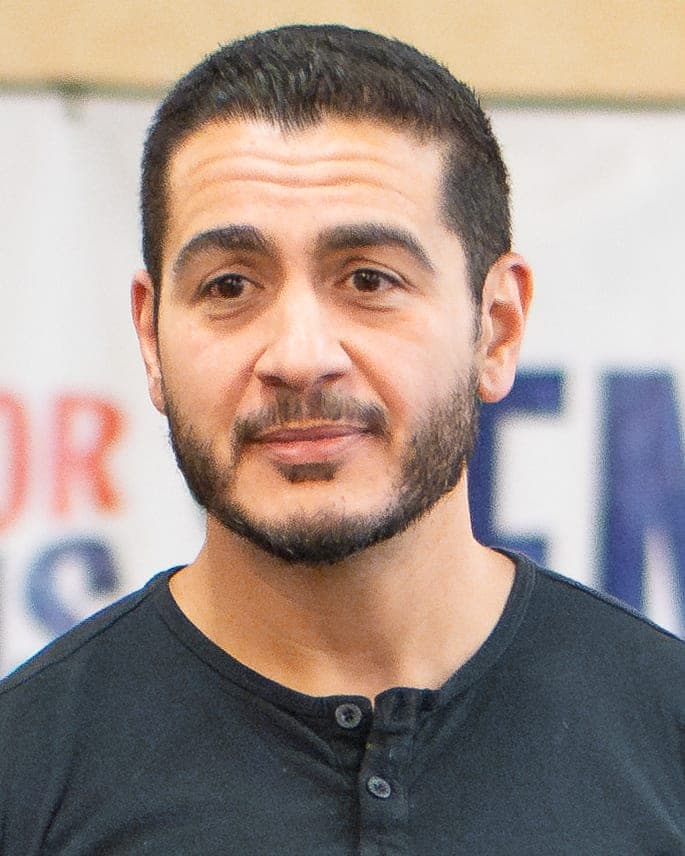
No good or bad look here
This story reports what happened without casting El-Sayed in a good or bad light, so readers don’t rate it and it doesn’t count toward El-Sayed’s record.
People in this story
SWIPE →Democratic Senate candidate whose support among Black voters is discussed
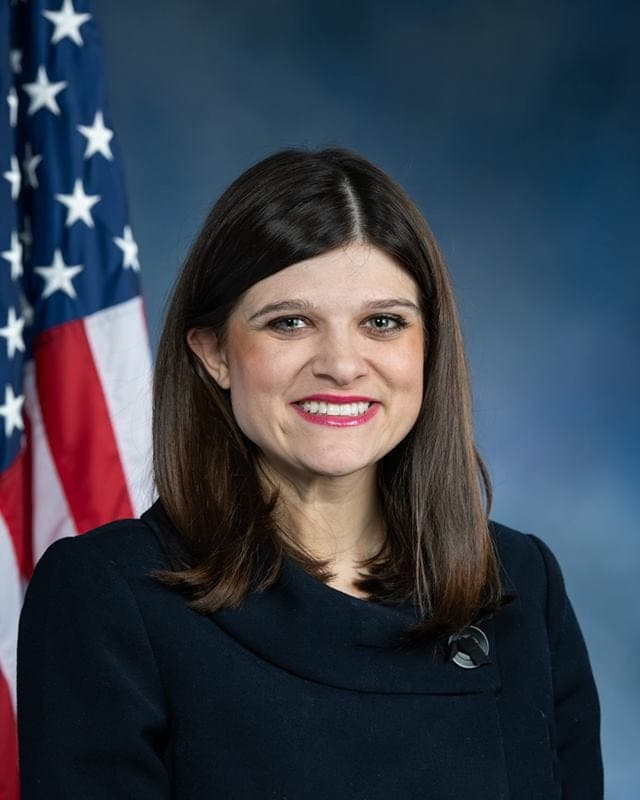
Democratic Senate primary opponent whom El-Sayed defeated
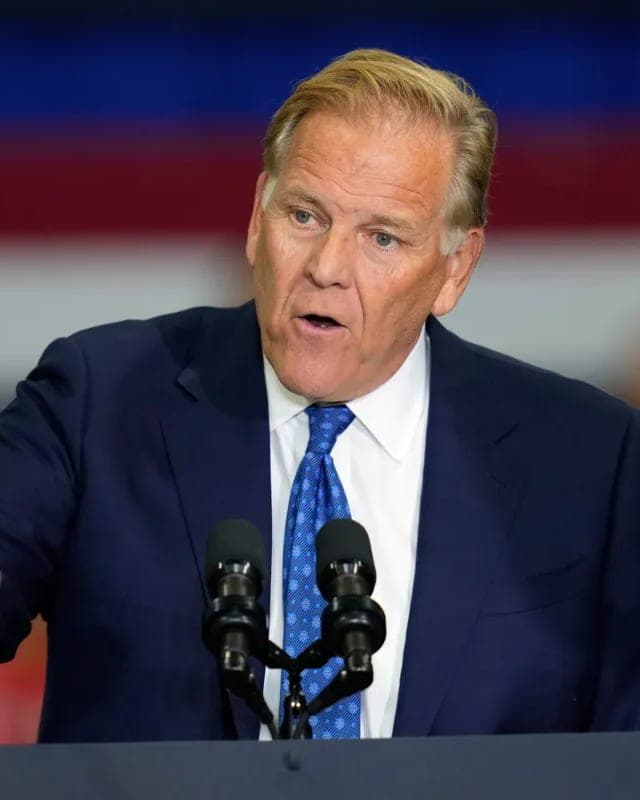
Republican Michigan Senate candidate described as a potential beneficiary of weak Democratic turnout
Part of a bigger story
30 OUTLETSOutlets agree that Barack Obama plans to campaign with Michigan Senate candidate Abdul El-Sayed at a Detroit rally on Oct. 24. Left-leaning outlets present his alliances as compatible with past disagreements and shared priorities. Center outlets largely treat the appearance as campaign news, adding race context and, in some coverage, questions about El-Sayed’s support or past criticism of Obama. Right-leaning outlets more often cast the visit as a rescue for a vulnerable campaign and emphasize criticism of El-Sayed, including past remarks and other campaign controversies.
- ARTICLES
- 34
- OUTLETS
- 30
- AVG CRED
- 65
Discussion · 0
Loading comments…