Live Updates: El-Sayed and Rogers Clash in Heated Michigan Senate Debate - The New York Times
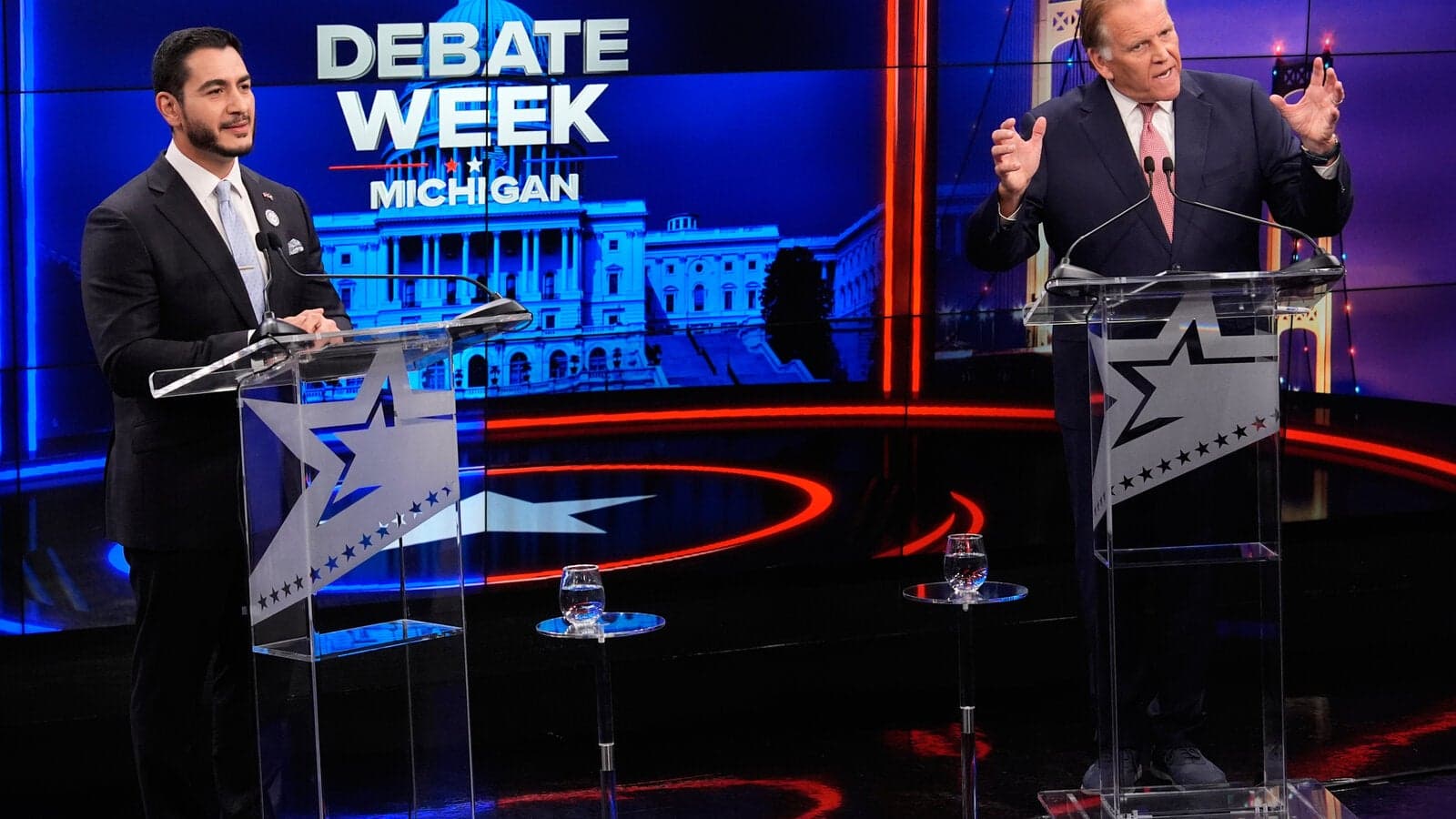
Rogers argued for his positions on Israel, data centers and other issues while trading personal attacks with El-Sayed.
SOURCE CHECK
TAP FOR WHYThe New York Times is an established national newsroom with a strong record of original reporting and public editorial standards. The article identifies its reporters and includes specific debate exchanges and polling context.
- Track record — Established national newspaper with a long record of original reporting.
- Editorial standards — A major newsroom with formal editorial practices.
- Author attribution — Five reporters are named.
- Transparency — The report attributes claims and identifies its polling source.
The account gives specific quotations and describes both candidates’ positions across several issues, with polling context for the race. It offers limited independent substantiation of the candidates’ claims and focuses heavily on the debate’s combative exchanges.
HOW WE SCORE ↗Both candidates’ statements and policy positions are covered, but the account gives substantial attention to personal attacks and includes some evaluative descriptions of their debate performances. It provides limited independent examination of their competing policy claims.
- Source diversity — Both candidates’ remarks are quoted, though few outside perspectives are included.
- Counterarguments presented — The candidates’ contrasting positions appear across several issues.
- Loaded language — The article uses forceful but generally attributed descriptions of the exchanges.
- Omitted context — The debate claims receive limited independent fact-checking or policy analysis.
The article reports both candidates’ remarks and policy differences in largely neutral language. Its descriptions emphasize the debate’s hostility, but do not consistently favor either candidate.
- Language tone — Mostly descriptive reporting, with characterizations of the debate as heated and personal.
- Source selection — Quotes and positions from both candidates are included.
- Framing — The story centers on the debate and its exchanges rather than endorsing a candidate.
Michigan Senate candidates Abdul El-Sayed and Mike Rogers traded personal attacks and clashed over issues including Israel, artificial intelligence, health care and immigration in their first televised debate. The closely watched race could affect control of the Senate.
Democratic nominee Abdul El-Sayed and Republican Mike Rogers repeatedly interrupted and attacked one another during their first televised debate. Their exchanges included a dispute over Flock Safety cameras and terrorism, as well as sharp remarks about each other’s character and credentials. The candidates also differed on U.S. support for Israel, data-center regulation, artificial intelligence, health care and immigration.
Community verdict
VOTING CLOSED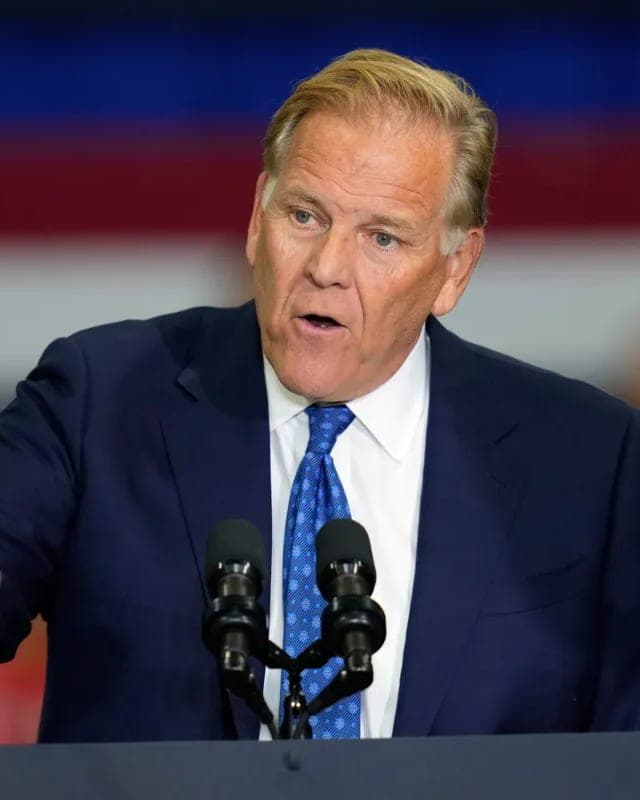
No good or bad look here
This story reports what happened without casting Rogers in a good or bad light, so readers don’t rate it and it doesn’t count toward Rogers’s record.
People in this story
SWIPE →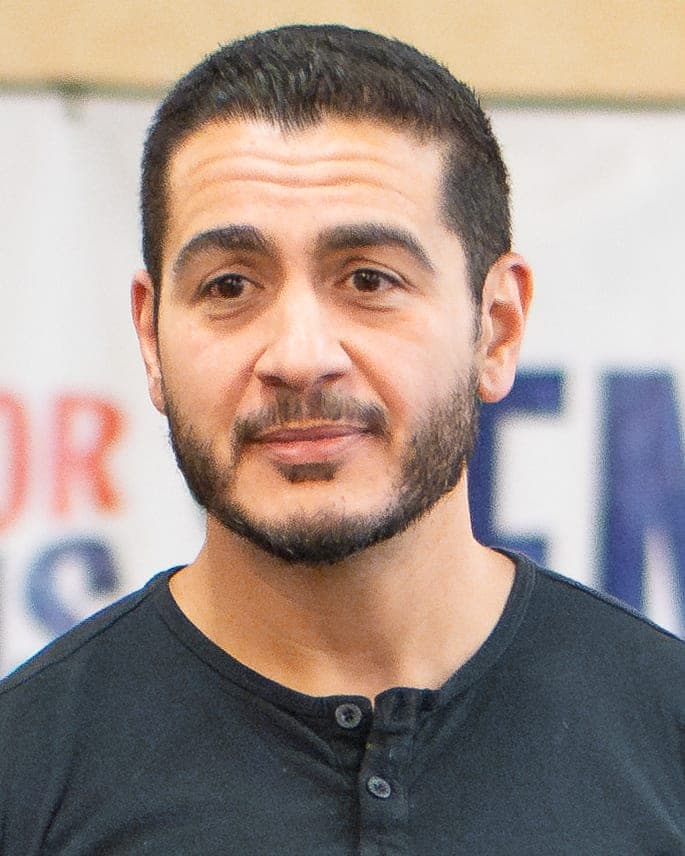
Democratic Senate candidate who debated Mike Rogers
El-Sayed's version of this story ↗
President whose administration and endorsement figure in the race
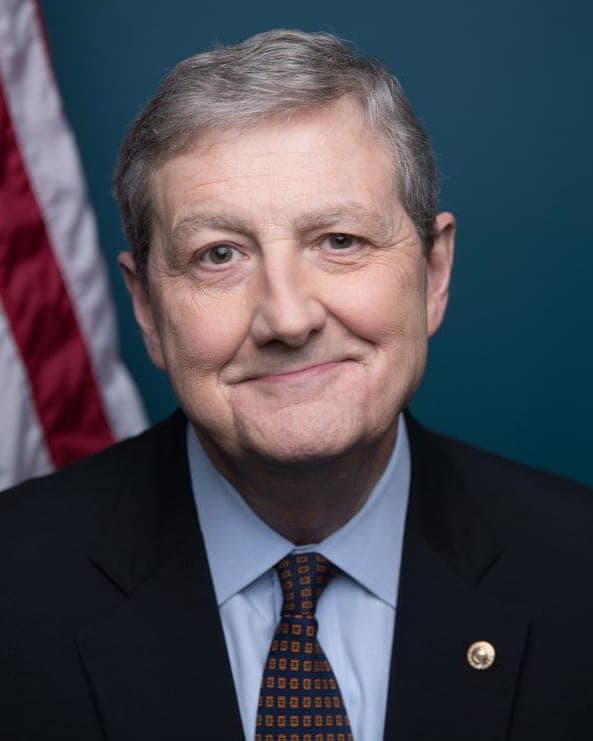
Louisiana senator scheduled to campaign with Rogers

Retiring senator whose seat is being contested
Part of a bigger story
27 OUTLETSOutlets agree Mike Rogers and Abdul El-Sayed held their first debate in Michigan’s Senate race, trading personal attacks and clashing over policy issues. Left-leaning outlets focus on Rogers’s attacks on El-Sayed’s mother and related fact-checking. Center outlets portray a combative exchange over policy and personal claims, with some checking assertions from both candidates and others emphasizing the foreign-policy clash. Right-leaning outlets foreground Rogers’s challenges to El-Sayed over foreign ties and positions, with some coverage portraying Rogers as performing well.
- ARTICLES
- 31
- OUTLETS
- 27
- AVG CRED
- 72
Discussion · 0
Loading comments…