Some Republicans Reject Trump’s Move to Import Diesel Fuel From Russia
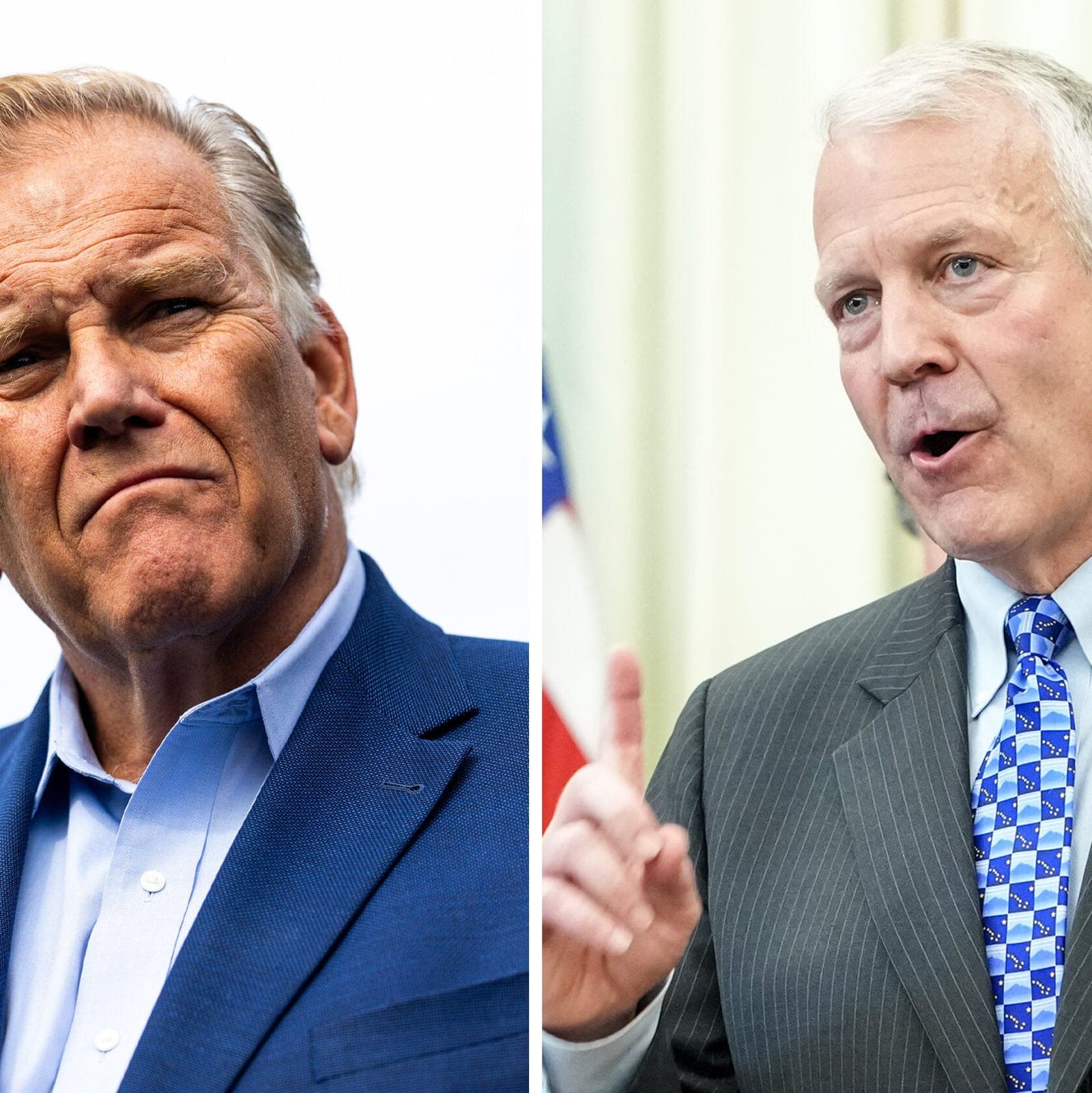
Sullivan’s spokesman said the senator favors producing more energy in Alaska rather than importing diesel from Russia.
SOURCE CHECK
TAP FOR WHYThe New York Times is an established national newspaper with substantial original reporting and formal editorial standards. Named reporters and attributed sources support confidence in the publisher’s institutional credibility.
- Track record — Established national newspaper with a long record of original reporting.
- Editorial standards — A prominent newsroom with formal editing and accountability practices.
- Author attribution — The article names two reporters.
- Source type — Recorded as a national news publisher.
The article includes attributed comments from lawmakers on both sides, a named energy expert, and price figures attributed to AAA. It notes that the White House did not respond, but several Republican campaigns also did not comment, and the account offers limited detail about the arrangement itself.
HOW WE SCORE ↗The story includes Republican criticism and praise, Democratic criticism, Trump’s stated rationale and an outside energy expert’s view. The White House did not respond, and several Republican campaigns did not comment, leaving some perspectives absent.
- Source diversity — Quotes lawmakers from both parties and a named energy expert.
- Counterarguments presented — Includes both Republican criticism and praise, along with Trump’s claim that the deal would lower costs.
- Omitted context — The White House did not respond, and several campaigns did not provide comment.
- Loaded language — Strong phrases appear as attributed quotations rather than the article’s own judgment.
The article reports the deal, its political reactions and its potential market effects in largely factual language. It includes criticism of the agreement as well as praise from a Republican representative and Trump’s stated rationale.
- Language tone — Mostly descriptive language, with critical phrases attributed to named speakers.
- Source selection — Includes critics, a supporter, an energy expert and the president’s stated claim about costs.
- Framing — Frames the story around Republican reactions and campaign pressures without an explicit editorial verdict.
President Trump’s plan to import diesel from Russia drew criticism from Republican Senate candidates Mike Rogers and Dan Sullivan, while other Republicans offered support or declined to comment. The dispute comes as high diesel prices create a campaign problem for Republicans in competitive midterm races.
President Trump announced an arrangement with Vladimir Putin to import Russian diesel as fuel prices rose amid the war with Iran. The article says the deal undercuts U.S. sanctions on Russia; energy expert Andrew Lipow said it would add only a “very small” amount to the market compared with U.S. demand. Diesel was reported at about $6.28 a gallon, up from $3.67 a year earlier.
Republican Senate candidates Mike Rogers and Dan Sullivan criticized the deal, while Representative Anna Paulina Luna praised it. Representative Don Bacon called it a “grave error,” and Democrats Chuck Schumer and Chris Pappas also criticized the agreement. Several other Republican campaigns did not respond or declined to comment. The article describes high diesel costs as a campaign liability in competitive races.
Community verdict
22 VOTES
People in this story
SWIPE →Republican senator from Alaska who opposed importing diesel from Russia
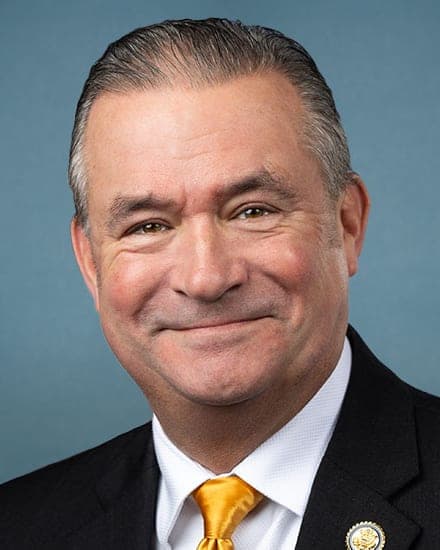
Nebraska representative who criticized Trump’s deal

Iowa representative and Republican Senate candidate
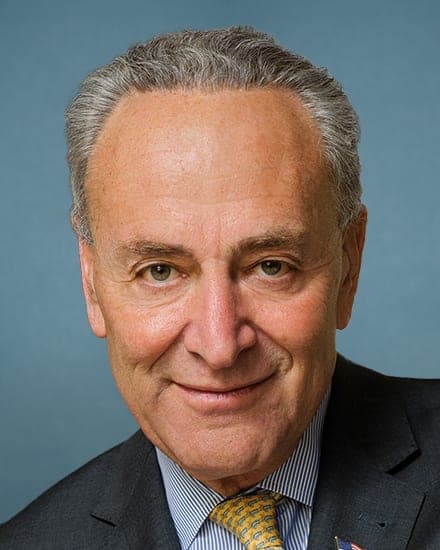
Senate minority leader who criticized Trump’s deal

Republican Senate candidate in New Hampshire and Pappas’s opponent
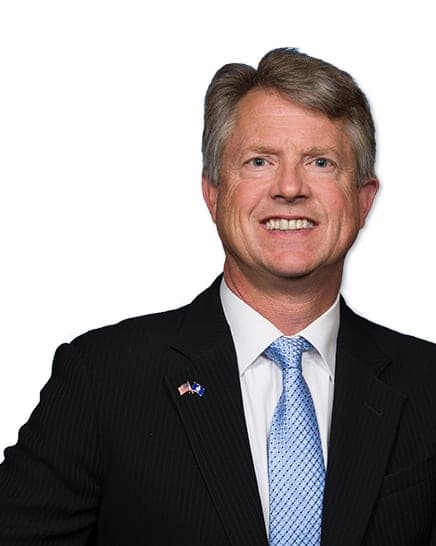
Kansas senator and Republican Senate candidate

Democratic Senate nominee in New Hampshire who criticized the agreement

Wisconsin representative who declined to comment on the deal

Florida representative who praised the deal
Discussion · 0
Loading comments…