7 Takeaways from the Second Georgia Senate Debate
Ossoff pressed Collins on tariffs and ethics allegations while promoting his own re-election and a fellow Democrat’s campaign.
SOURCE CHECK
TAP FOR WHYThe New York Times is an established national newsroom with strong editorial standards and transparent bylines. The article names its reporters and presents a detailed account of the debate.
- Track record — A major national newspaper with a long record of original reporting.
- Editorial standards — Established newsroom standards support accuracy and review.
- Author attribution — Two reporters are identified by name and role.
- Transparency — The article identifies its reporting context and uses attributed claims.
The account gives concrete debate exchanges and identifies the candidates’ claims and responses. It offers useful detail but relies mainly on the debate itself, with limited independent sourcing or context for several claims.
HOW WE SCORE ↗The article covers both candidates’ attacks and includes responses from each, but it gives substantial space to controversies concerning Collins without comparable outside context or response to every allegation.
- Counterarguments presented — Collins’s answers on white nationalism, diesel prices and the 2020 election are included alongside Ossoff’s criticism.
- Source diversity — The account primarily draws on the debate and does not include many independent sources.
- Omitted context — Some allegations and policy claims are reported without extended context or a fuller response.
- Opinion vs reporting — It is presented as reporting, though some descriptions add an evaluative edge.
The reporting is largely a straight account of both candidates’ remarks, but some framing and descriptions give somewhat more emphasis to Collins’s vulnerabilities and Ossoff’s campaign strengths.
- Language tone — Descriptions such as “canny” and “proved so adept” cast Ossoff favorably, while “falsehood” characterizes Collins’s election claims.
- Framing — Several takeaways focus on attacks and vulnerabilities facing Collins, while Ossoff’s fundraising and campaign skill are also noted.
- Source selection — The story reports exchanges from both candidates without relying on outside partisan commentary.
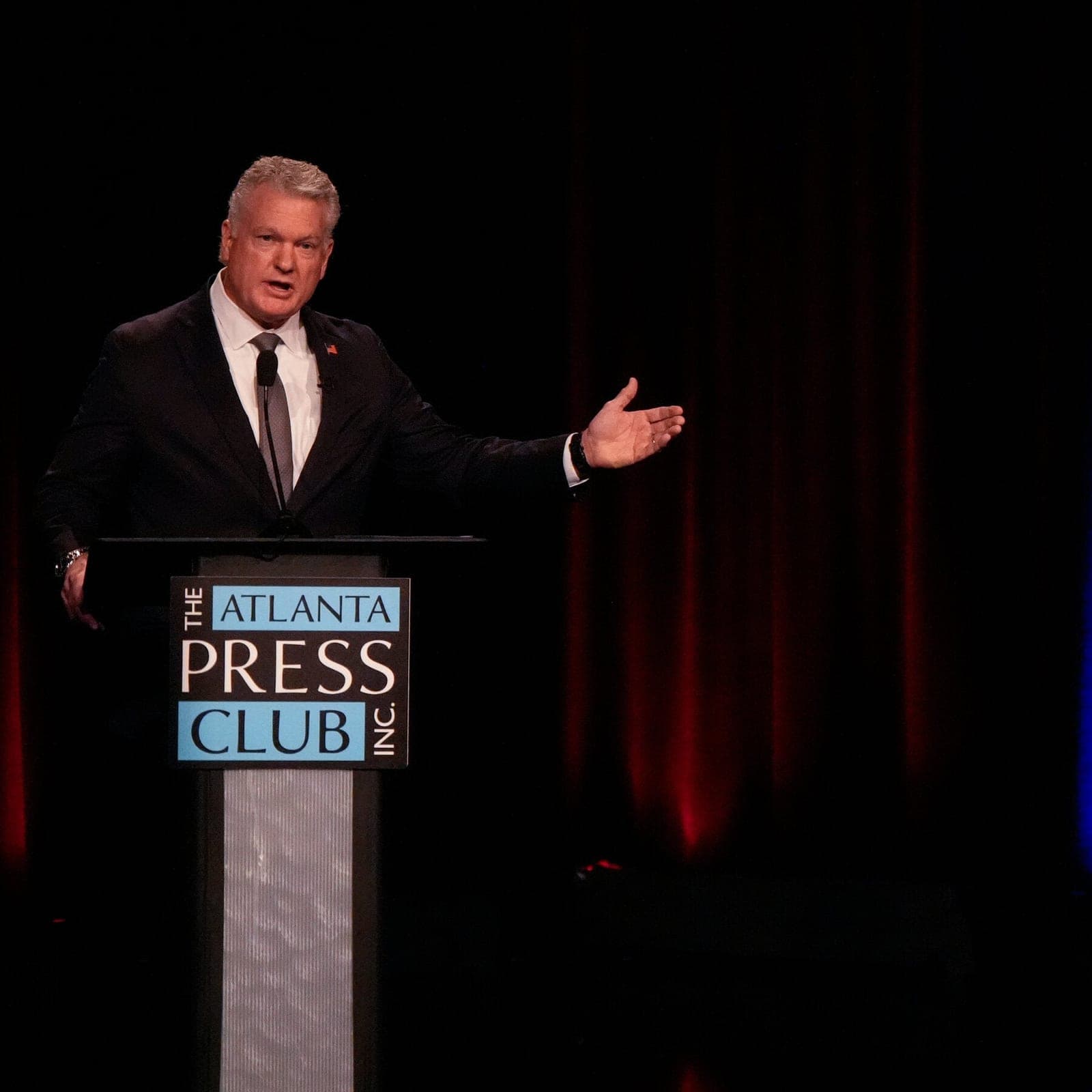
Jon Ossoff and Mike Collins faced off in their second and final Georgia Senate debate, trading attacks on prices, immigration, ethics allegations and the Epstein files. Collins also sidestepped Ossoff’s questions about the 2020 election.
Senator Jon Ossoff and Representative Mike Collins debated for the second and final time in their Georgia Senate race as early in-person voting began. Collins attacked Ossoff over inflation, social media and his ties to donors, while Ossoff pressed Collins on tariffs, an Ethics Committee review and the congressman’s views about the 2020 election.
The article also describes their exchange over diesel prices and Collins’s response to a question about white nationalism. Ossoff promoted Democratic gubernatorial nominee Keisha Lance Bottoms and said he would serve a full Senate term if re-elected.
Community verdict
15 VOTES
Counts every outlet’s report of this story. See all 10
Votes cast on this page
Votes cast on this page: ▲ 0 · ◆ 0 · ▼ 0
People in this story
SWIPE →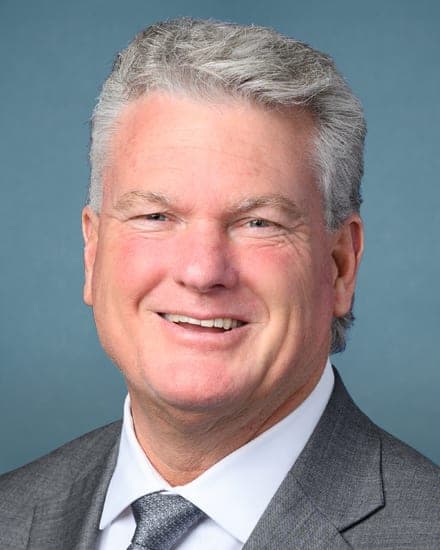
Republican Senate candidate and participant in the debate
Collins's version of this story ↗
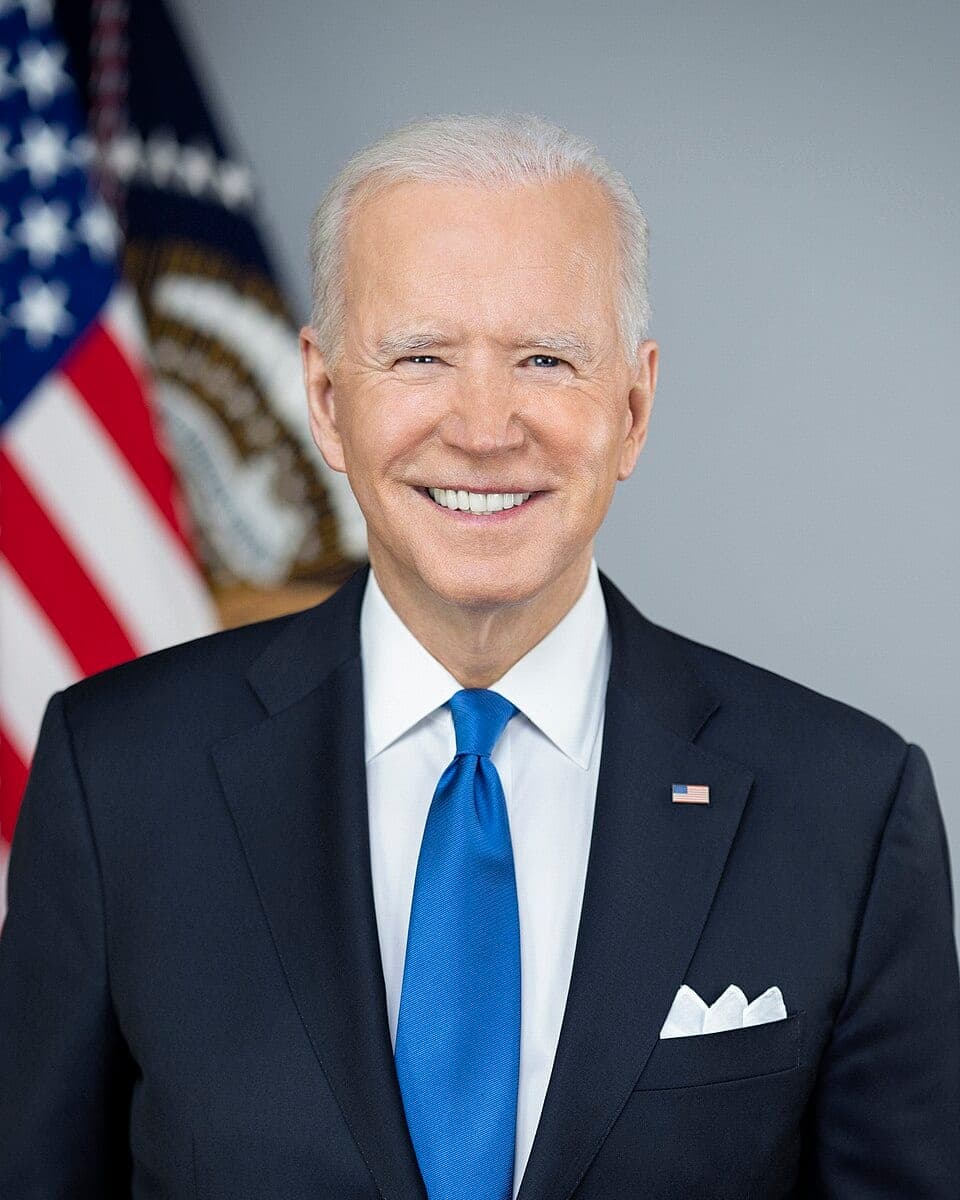
Former president, mentioned in connection with the 2020 election
Part of a bigger story
10 OUTLETSJon Ossoff took part in a Georgia Senate debate. Center outlets emphasize his rejection of a 2028 presidential run and pledge to serve a full Senate term if reelected, alongside clashes with Mike Collins. Right-leaning outlets cover different political signals: polling favorable to Ossoff as a Democratic PAC withdraws planned ads, and his position on possible Trump impeachment, which one article presents critically.
- ARTICLES
- 10
- OUTLETS
- 10
- AVG CRED
- 74
Discussion · 0
Loading comments…