5 Key Moments From Hostile Michigan Senate Debate Between El-Sayed and Rogers
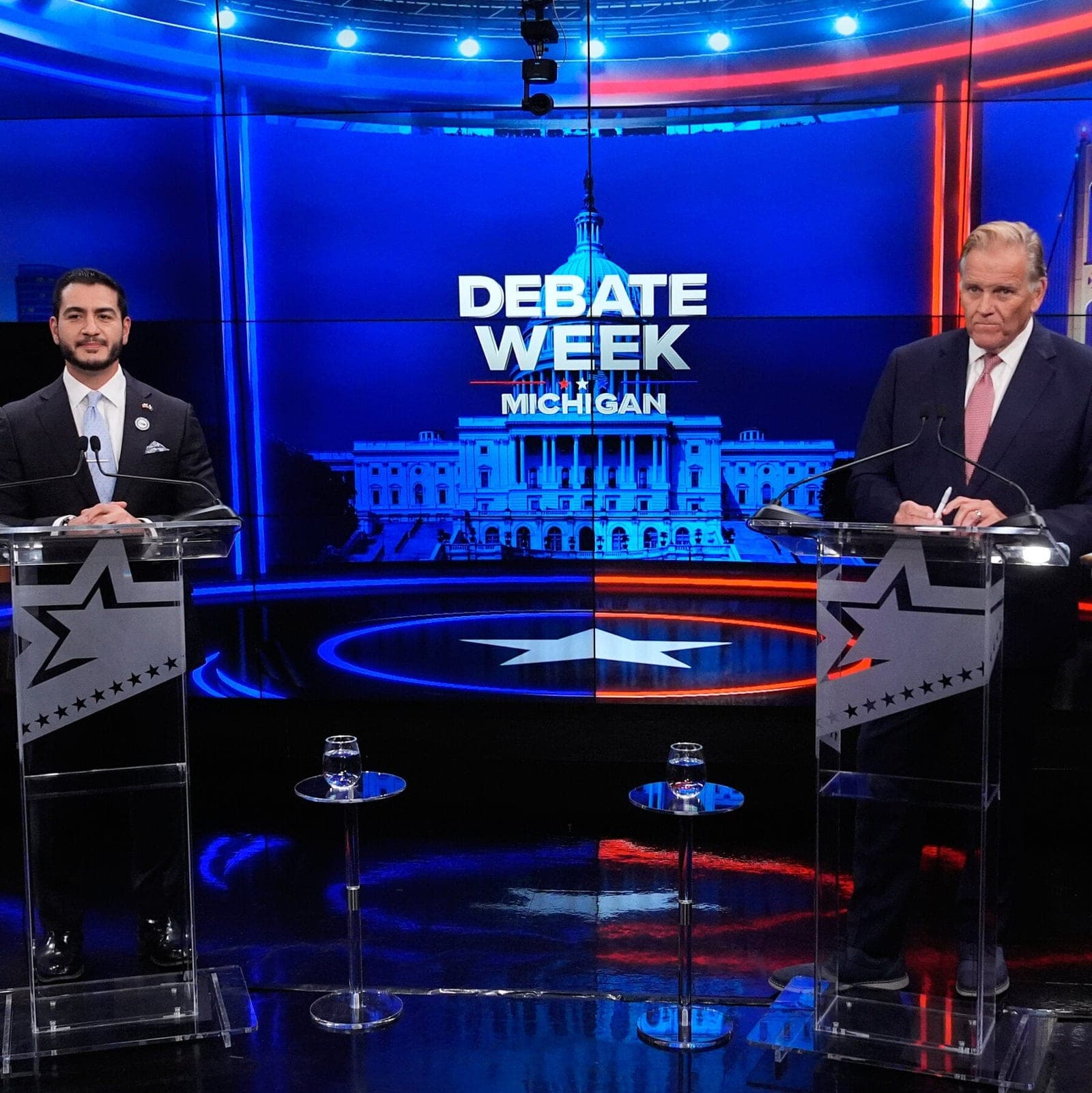
Rogers debated El-Sayed, discussing Israel and data centers while making attacks and insinuations about his opponent.
SOURCE CHECK
TAP FOR WHYThe New York Times is an established national newsroom with a strong record of original reporting and published editorial standards. The article identifies its reporters and attributes claims and quotations to debate participants.
- Track record — An established national newspaper with a long record of reporting.
- Editorial standards — A major newsroom with formal editorial practices and corrections standards.
- Author attribution — Two reporters are named, with brief information about their roles.
- Source type — National news outlet; the piece presents direct debate remarks and attributes claims.
The account gives specific examples and quotes from both candidates and distinguishes their positions. Its assessment rests largely on the debate itself, with limited independent verification or broader policy context.
HOW WE SCORE ↗The article covers both candidates’ positions and remarks, though it emphasizes personal conflict and offers limited independent context for their claims.
- Counterarguments presented — Both candidates’ responses and positions appear in the account.
- Source diversity — The reporting draws mainly on the candidates’ debate remarks, with a brief comment from the moderator.
- Omitted context — The article gives little independent context for evaluating the disputed claims and policy proposals.
- Loaded language — The framing stresses hostility, but the descriptions are tied to the exchanges reported.
The article presents the candidates’ statements and exchanges in a largely descriptive style, without a discernible partisan position.
- Language tone — Describes the debate as hostile but attributes the candidates’ statements rather than endorsing them.
- Source selection — Includes claims and positions from both candidates.
- Framing — Organizes the story around notable debate exchanges and policy disagreements.
Abdul El-Sayed and Mike Rogers traded personal attacks and argued over terrorism, Israel, data centers and artificial intelligence in their first televised Michigan Senate debate. The article says the close contest could affect control of the Senate.
The candidates’ first televised debate featured personal attacks and accusations, including an exchange in which El-Sayed challenged Rogers over implications about ties to terrorism. The article says polls showed a tight race and that the contest could be important to determining Senate control.
The candidates also differed over U.S. support for Israel, federal oversight of data centers and artificial intelligence. El-Sayed defended a proposal for public involvement in AI companies, while Rogers expressed hesitation about federal rules for data centers.
Community verdict
VOTING CLOSED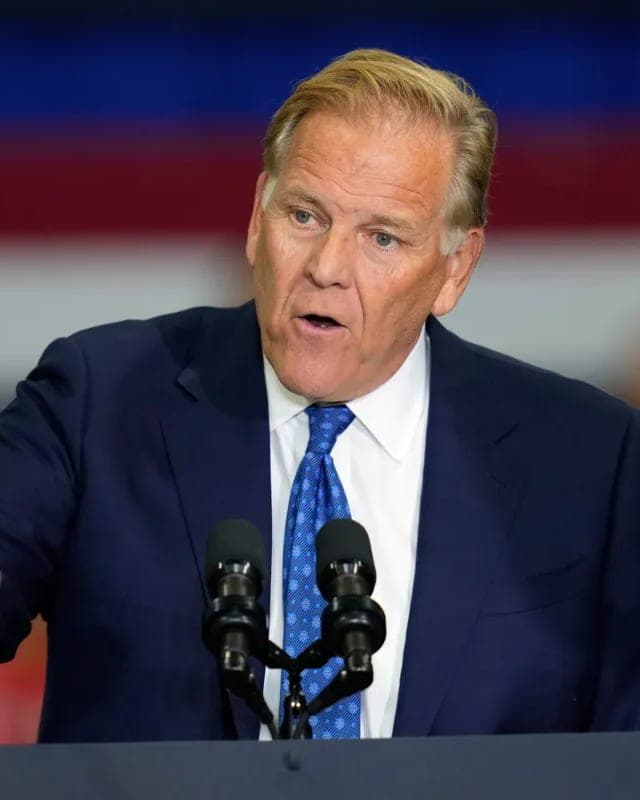
No good or bad look here
This story reports what happened without casting Rogers in a good or bad light, so readers don’t rate it and it doesn’t count toward Rogers’s record.
People in this story
SWIPE →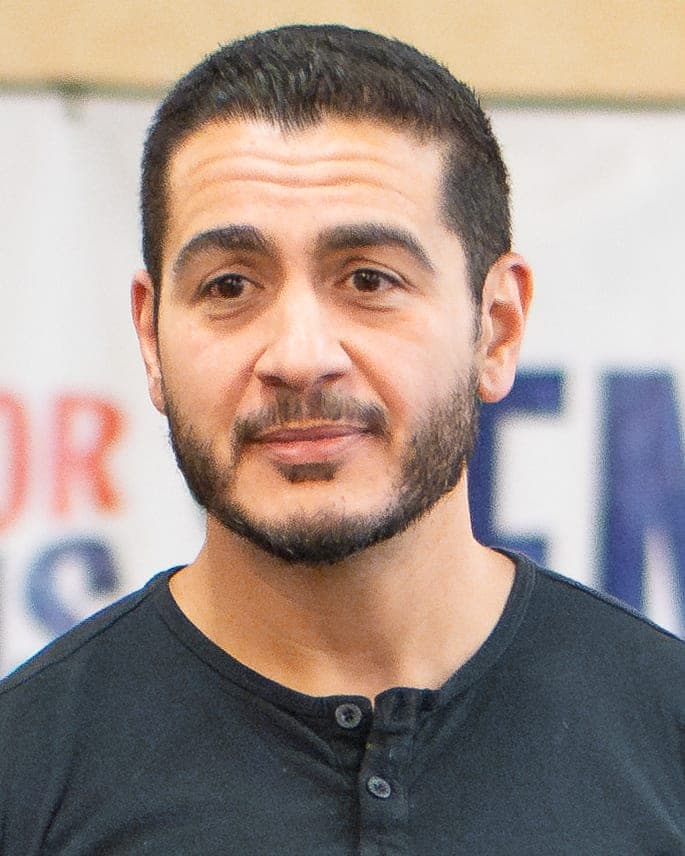
Democratic candidate for the U.S. Senate in Michigan
El-Sayed's version of this story ↗Part of a bigger story
27 OUTLETSOutlets agree Mike Rogers and Abdul El-Sayed held their first debate in Michigan’s Senate race, trading personal attacks and clashing over policy issues. Left-leaning outlets focus on Rogers’s attacks on El-Sayed’s mother and related fact-checking. Center outlets portray a combative exchange over policy and personal claims, with some checking assertions from both candidates and others emphasizing the foreign-policy clash. Right-leaning outlets foreground Rogers’s challenges to El-Sayed over foreign ties and positions, with some coverage portraying Rogers as performing well.
- ARTICLES
- 31
- OUTLETS
- 27
- AVG CRED
- 72
Discussion · 0
Loading comments…