How Data Centers Became the Focus of the 2026 Midterm Elections
Husted is campaigning amid scrutiny of his past support for data-center development and is urging passage of a bill on grid costs.
SOURCE CHECK
TAP FOR WHYNewsweek is an established national outlet with named authors and editorial practices, though its institutional record is not equivalent to a major wire service or newspaper of record. The article attributes expert and political claims and identifies polling sources.
- Source type — Established national news publisher.
- Editorial standards — The article attributes statements and identifies survey sources.
- Author attribution — A named reporter is credited.
The article uses named officials, an academic expert and identified polling, and gives context on the competing bills and campaigns. It offers limited independent examination of the bills' detailed effects and relies in part on polling and quoted political claims.
HOW WE SCORE ↗The article presents competing lawmakers' positions, polling and the political context, while also noting that neither Ohio candidate supports a construction moratorium. It does not offer a detailed assessment of the bills or substantial input from data-center operators.
- Counterarguments presented — Husted's bill, Heinrich's objection and alternative, and Brown's campaign position are included.
- Source diversity — Uses lawmakers, an expert and polling, but provides little direct perspective from data-center operators or affected communities.
- Omitted context — The bills' detailed provisions and opponents' arguments are not explored at length.
The article uses explanatory, largely even-handed language and presents criticism of Husted alongside his rationale and Heinrich's alternative. Its focus on political consequences does not clearly favor either party.
- Language tone — Mostly descriptive language, with attributed criticism and claims.
- Source selection — Includes statements from Republicans, Democrats, an academic expert and poll findings.
- Framing — Frames the issue as a campaign vulnerability across parties rather than endorsing a party's position.
As Ohio Senator Jon Husted seeks to keep his seat, his past support for data-center development has become a campaign liability. He is urging passage of a bill on data-center grid costs, while Senator Martin Heinrich blocked it and promoted a stricter alternative.
The article says Husted promoted data-center development as Ohio lieutenant governor, when operators received tax breaks, and that his record has become a liability in his race against former Senator Sherrod Brown. Brown has criticized subsidies for data centers and argued Ohio communities should have a say in whether they are built. Polls cited in the story show widespread opposition to local data centers, including among voters in both parties.
The House passed the Ratepayer Protection Act by a 417-3 vote on September 16. Husted, who introduced the Senate version, urged its passage; Heinrich blocked that effort, saying the measure did not go far enough, and advocated for the GRID Savings Act. The article says Husted and Brown both oppose neither data-center construction outright nor offer a moratorium, while Husted opposes one and Brown proposes requiring operators to pay their full electricity costs and giving communities a say.
Community verdict
17 VOTES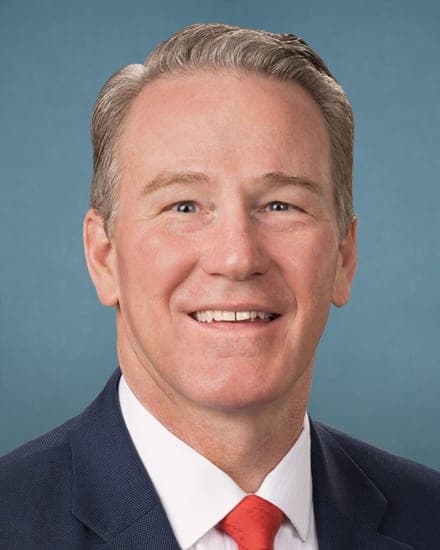
People in this story
SWIPE →Ohio senator seeking to keep his seat and sponsor of the Senate version of the Ratepayer Protection Act

President and public supporter of data-center development
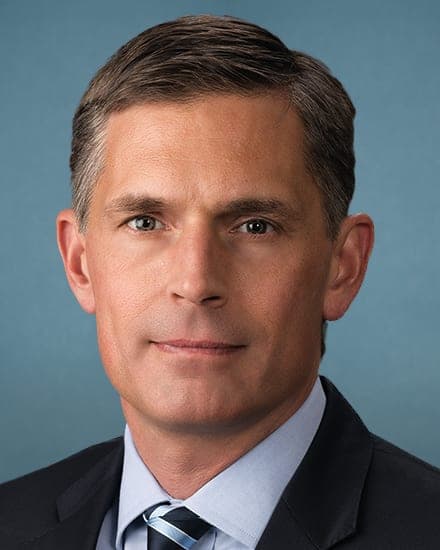
New Mexico senator who blocked the Ratepayer Protection Act effort and advocated for the GRID Savings Act
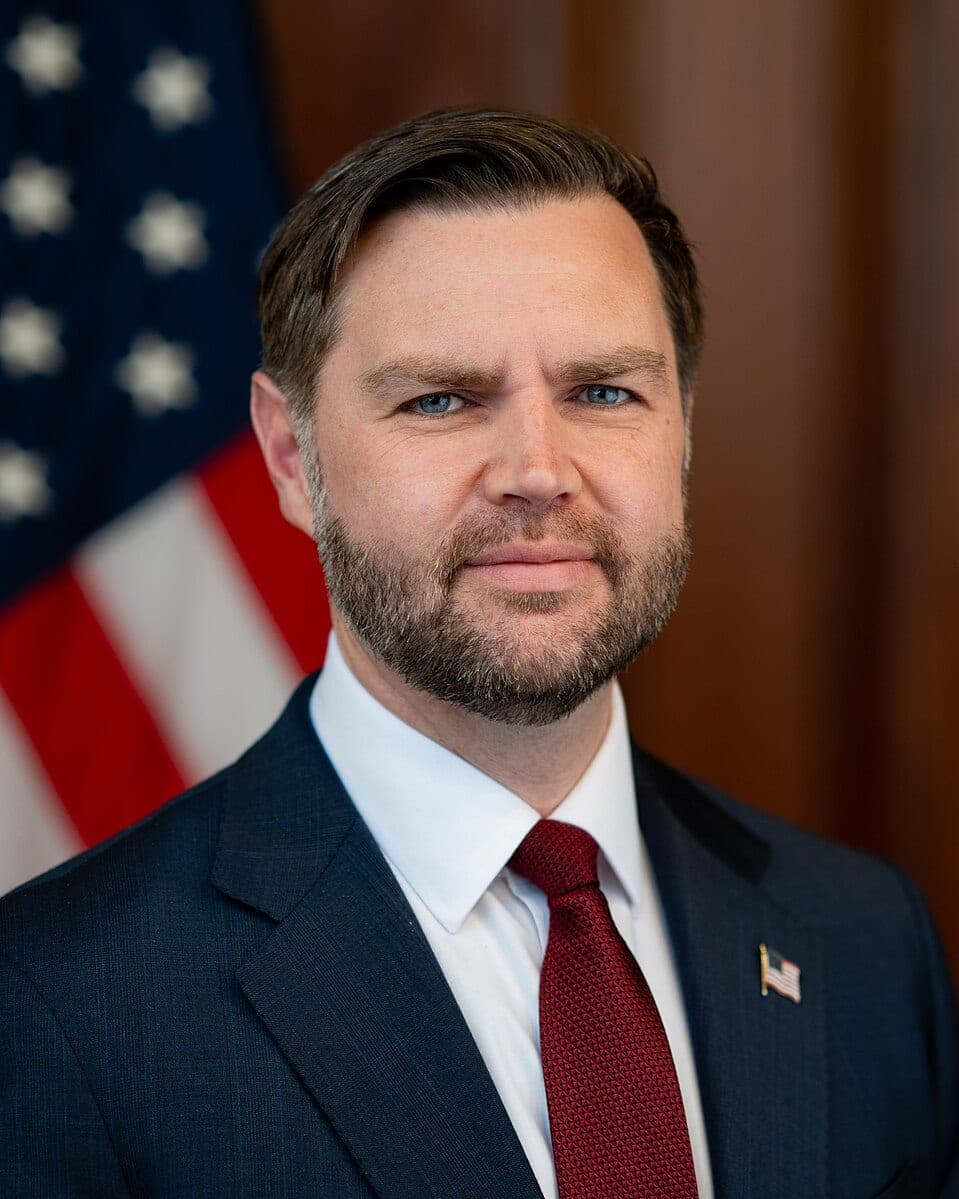
Vice president whose Senate seat Husted was appointed to fill
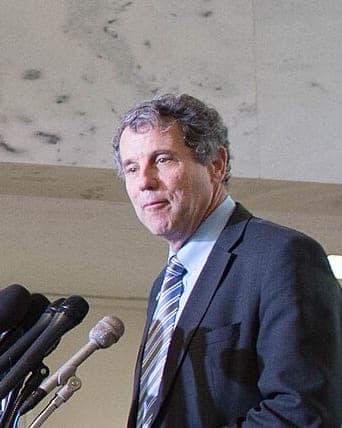
Former senator and Husted's opponent in Ohio's Senate race
Discussion · 0
Loading comments…