Abdul El-Sayed Gets Boost Against Rogers in Michigan as Voters Sour on AI Data Centers
Rogers trails El-Sayed in the poll and has shifted his position on data centers during the campaign.
SOURCE CHECK
TAP FOR WHYNewsweek is an established national outlet with identifiable authorship and editorial processes. This article attributes polling and expert commentary to named sources, though it does not include responses from either campaign.
- Source type — Established national news outlet.
- Editorial standards — Professional newsroom publication; the article attributes key claims to pollsters and named commentators.
- Author attribution — A named author is identified.
- Source diversity — Uses multiple polls and expert voices, but reports that neither campaign provided comment.
The article gives specific polling figures, sample details and margin of error, and draws on multiple surveys and named analysts. Its discussion is largely poll-driven, and it notes that the campaigns did not respond to Newsweek’s request for comment.
HOW WE SCORE ↗The article provides extensive polling data and describes both candidates’ positions, including Rogers’ change in position. It reports that both campaigns were contacted but does not include their responses, leaving limited direct candidate perspective.
- Counterarguments presented — Both candidates’ positions and poll results that cut in different directions are described.
- Source diversity — Multiple polls and several political strategists are cited, but neither campaign’s response appears.
- Omitted context — The article does not provide direct campaign responses to its inquiry.
- Loaded language — The presentation is generally factual and not overtly loaded.
The article uses a largely descriptive tone and reports polling results and campaign positions without endorsing either candidate. It includes information that reflects favorably and unfavorably on both candidates.
- Language tone — Mostly neutral, reportorial language.
- Source selection — Polling, both candidates’ positions and views from strategists are included.
- Framing — The framing centers on survey results and the campaign issue rather than an editorial verdict.
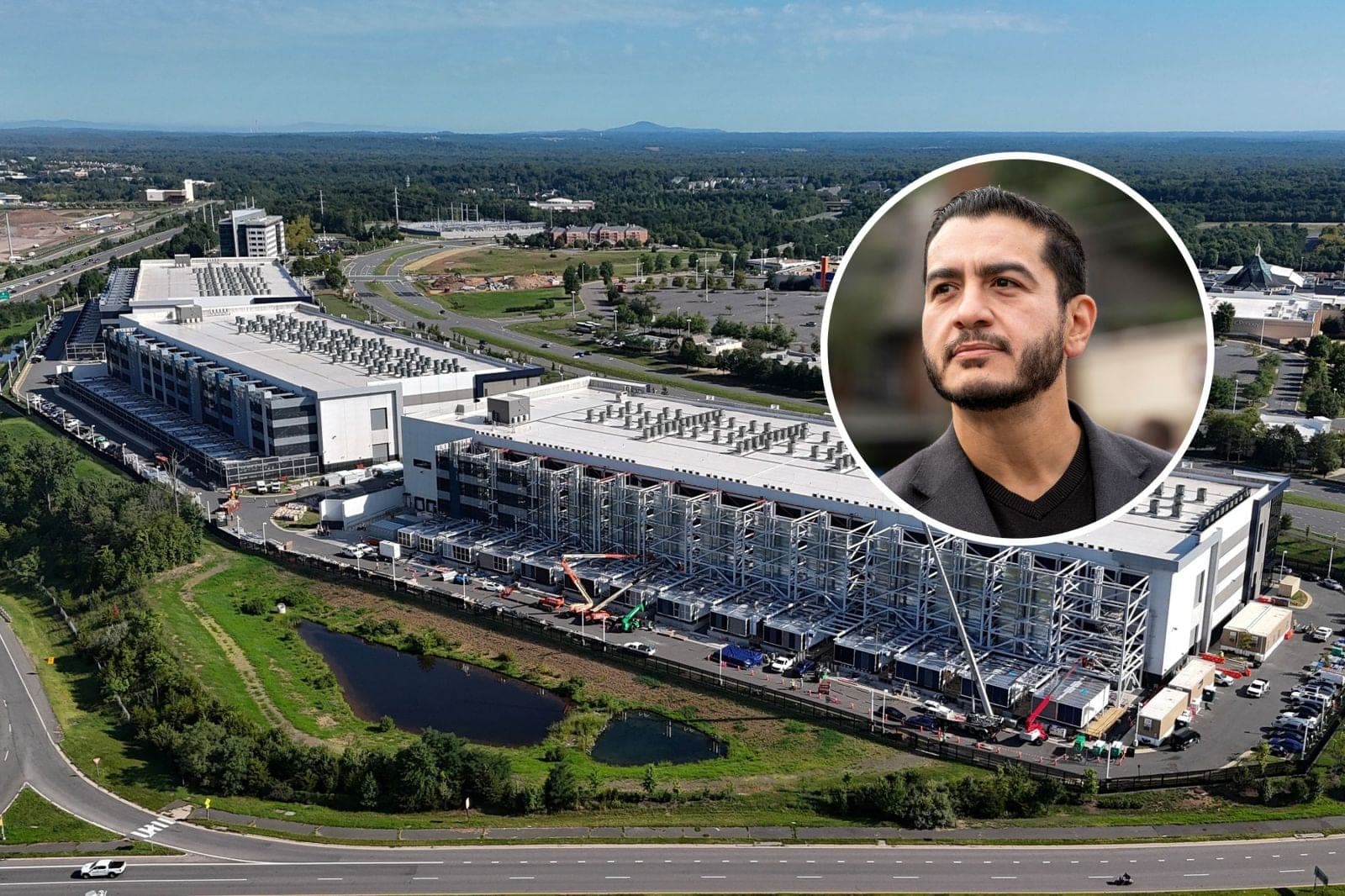
A New York Times/Siena poll found Abdul El-Sayed ahead of Mike Rogers in Michigan’s Senate race and more trusted by voters on AI and data centers. The issue has become a campaign focus as many voters oppose new data centers.
A New York Times/Siena poll found El-Sayed leading Rogers 49 percent to 44 percent among likely voters, and 46 percent of voters trusted El-Sayed to handle AI and data centers, compared with 35 percent for Rogers. The poll also found 66 percent opposed building AI data centers, while 29 percent supported it.
El-Sayed has called for state and local moratoriums on new data centers until federal rules address union jobs, utility bills, water resources and power-grid investments. Rogers, who first argued Michigan should compete for AI-related jobs and investment, later called for a pause and a one-year moratorium. The article also reports that Rogers skipped a televised debate the previous week, saying he had never agreed to it.
Community verdict
17 VOTES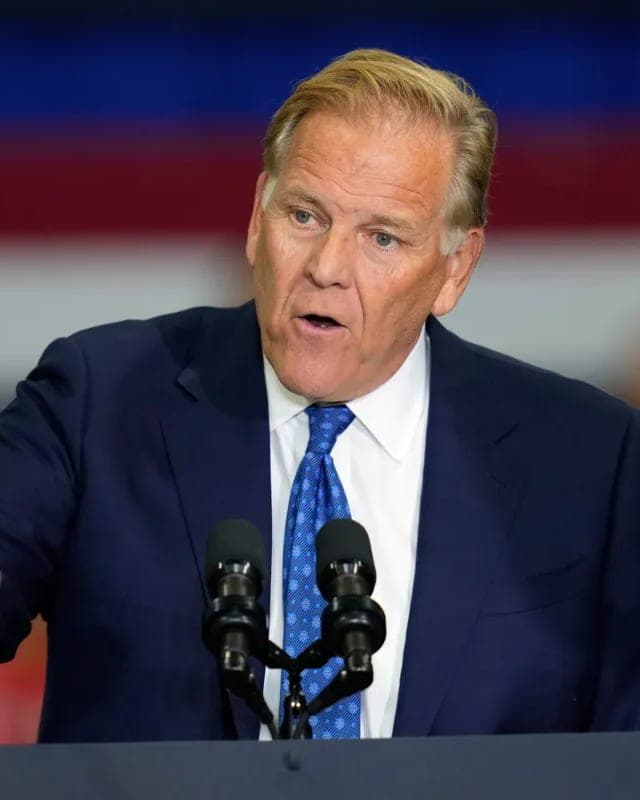
People in this story
SWIPE →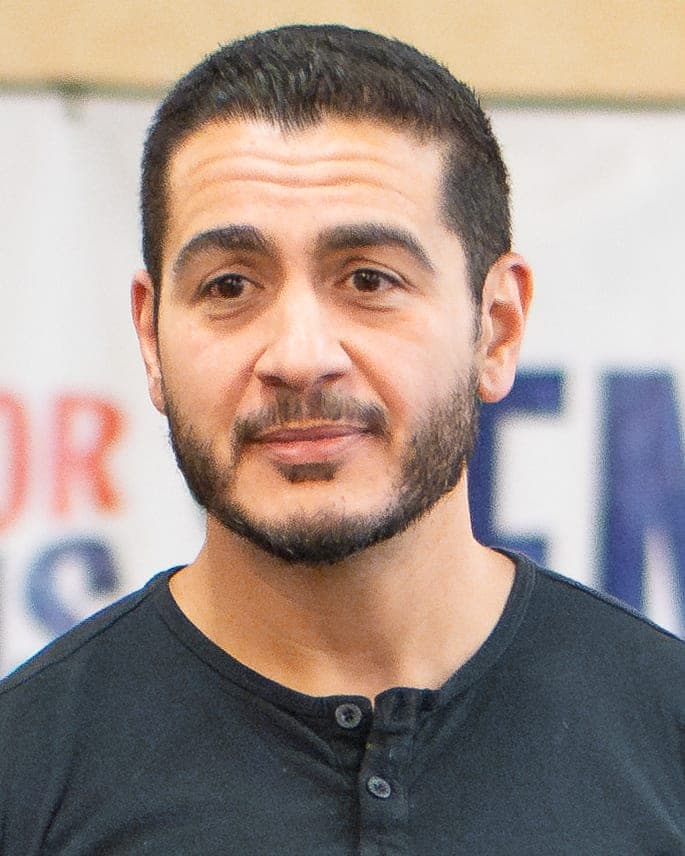

President of the United States
Republican strategist
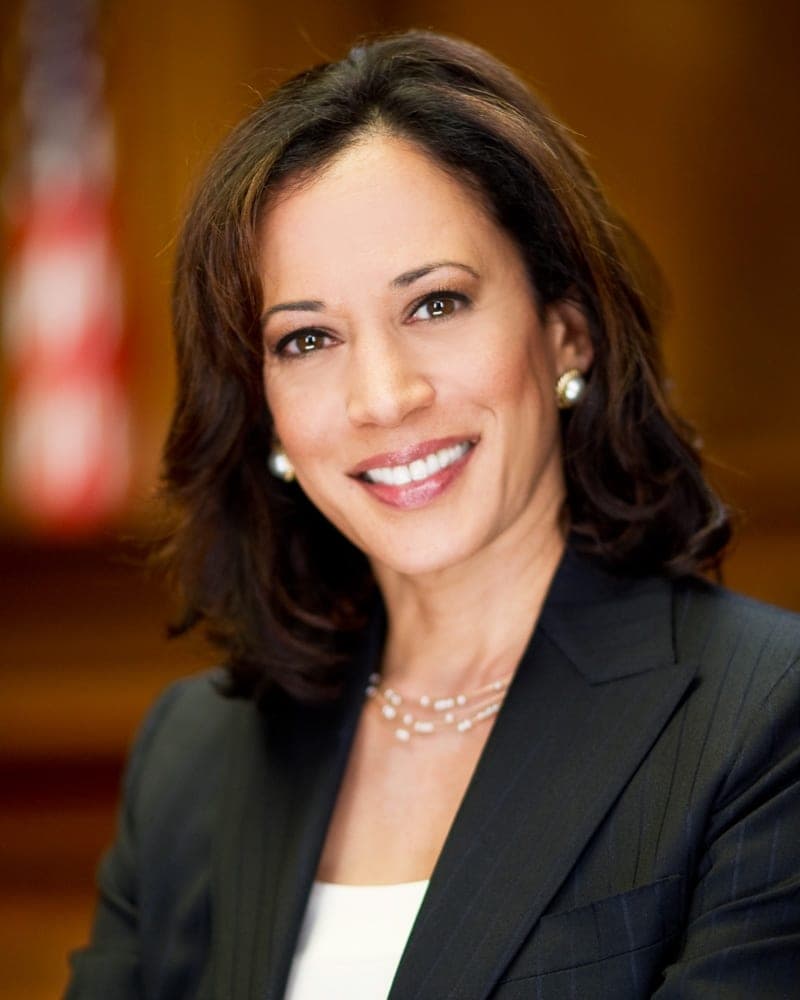
Former vice president who joined El-Sayed at a campaign event

Vice President of the United States
Part of a bigger story
4 OUTLETSThe coverage concerns Abdul El-Sayed and Mike Rogers in Michigan’s U.S. Senate race. Left-leaning outlets present the contest as a choice, endorsing El-Sayed and criticizing Rogers; center outlets chiefly measure the candidates’ standing, with Newsweek also linking the race to voter opposition to AI data centers.
- ARTICLES
- 4
- OUTLETS
- 4
- AVG CRED
- 83
Discussion · 0
Loading comments…