Is Abdul El-Sayed's win a moment or a movement?
His Senate nomination leads Finley to question whether progressive gains can build a lasting movement.
SOURCE CHECK
TAP FOR WHYCredibility rates Newsday, where this article appeared. The other scores rate the article itself.
The article is an attributed column by a Detroit News columnist, appearing on an established regional news outlet. The attribution is transparent, though this is commentary rather than original reported news.
- Source type — An established regional newspaper is a comparatively strong local-news source.
- Author attribution — The columnist is named and identified as being with The Detroit News.
- Editorial standards — The publisher has a recognizable newsroom, but no correction or standards information appears in the article.
The column includes several named sources and attributes their views, but it is openly argumentative, offers little documentary evidence, and gives limited space to perspectives that challenge its framing.
HOW WE SCORE ↗The column includes quotations from people who explain the appeal of progressive candidates, but its own framing is sharply critical and it gives limited space to the candidates’ positions or responses.
- Source diversity — Several political figures and a pollster are quoted, including people who discuss the movement sympathetically.
- Loaded language — The columnist’s language characterizes progressive gains in strongly negative terms.
- Counterarguments presented — The article conveys reasons voters may be drawn to progressive candidates but does not give those candidates a direct, developed response to the criticism.
- Opinion vs reporting — This is a commentary column, not a neutral report.
The column uses strongly critical language about progressive Democrats and frames their success as political lunacy and a threat to the party’s appeal. Its framing and source selection emphasize concerns about the progressive movement and its positions on Israel.
- Language tone — Terms such as “political lunacy” and “ultra progressives” convey pronounced disapproval.
- Framing — The piece casts progressive gains as a danger to Democratic electoral appeal and compares them unfavorably with past Republican populism.
- Source selection — The sources raise concerns about party fragmentation and the candidates’ positions on Israel, while the candidates’ arguments receive less direct explanation.
Original publisher not identified
This article credits another publisher, which ChamberLight has not identified, so the scores are Newsday's own.
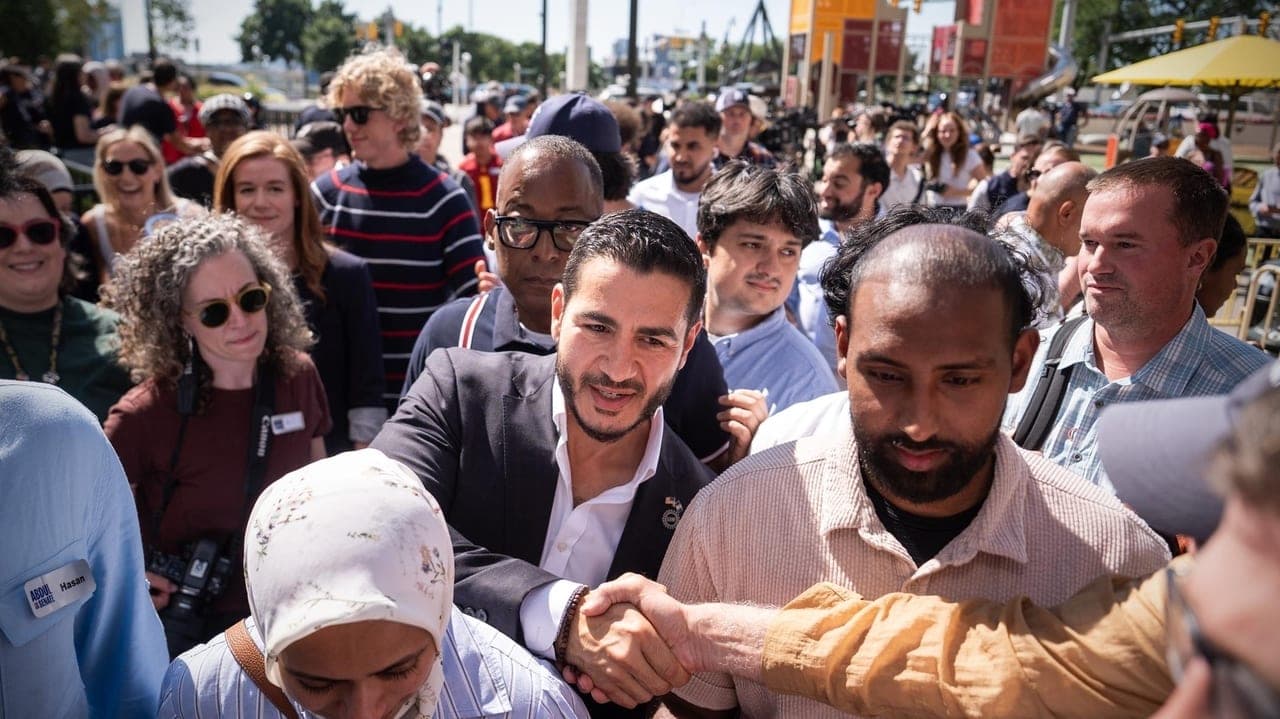
Abdul El-Sayed’s Democratic Senate nomination prompts columnist Nolan Finley to ask whether Michigan’s progressive gains mark a lasting movement or a moment. The column weighs the candidates’ ability to win moderates and highlights divisions over Israel.
Finley argues that El-Sayed’s nomination and gains by other progressive candidates could push Democrats away from the political center. He compares the developments with the Republican Party’s turn toward populism and says their durability will depend on whether the candidates can appeal to independent voters. Peter Meijer and Andy Levin offer their own explanations for progressive momentum, including dissatisfaction with the Democratic establishment.
The column describes El-Sayed as critical of Israel and Haley Stevens as supportive of the Jewish state, and presents that divide as a major fault line among Democrats. Meijer says he fears the candidates’ success could make congressional Democrats hesitant to support legislation protecting Israel. The column also raises whether moderate voters will remain with Democrats, vote for Mike Rogers, or sit out the election.
Community verdict
5 VOTES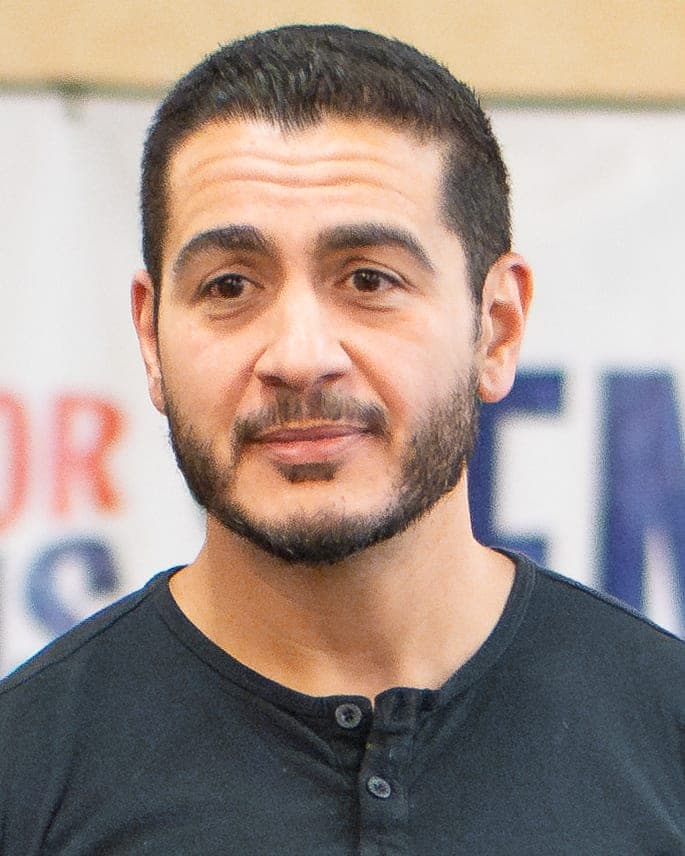
People in this story
SWIPE →Democratic Senate candidate whose nomination and progressive movement are the column’s focus
Democratic House candidate whose nomination and campaign message are cited as part of the progressive gains

Representative and Senate primary opponent of El-Sayed

President and historical comparison for the Republican Party’s populist turn
Republican Michigan Senate candidate mentioned as an alternative for moderate voters
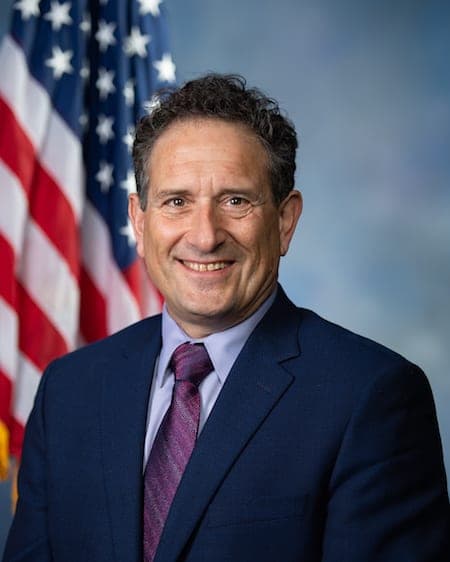
Former congressman discussing the reasons Democratic voters support progressive candidates
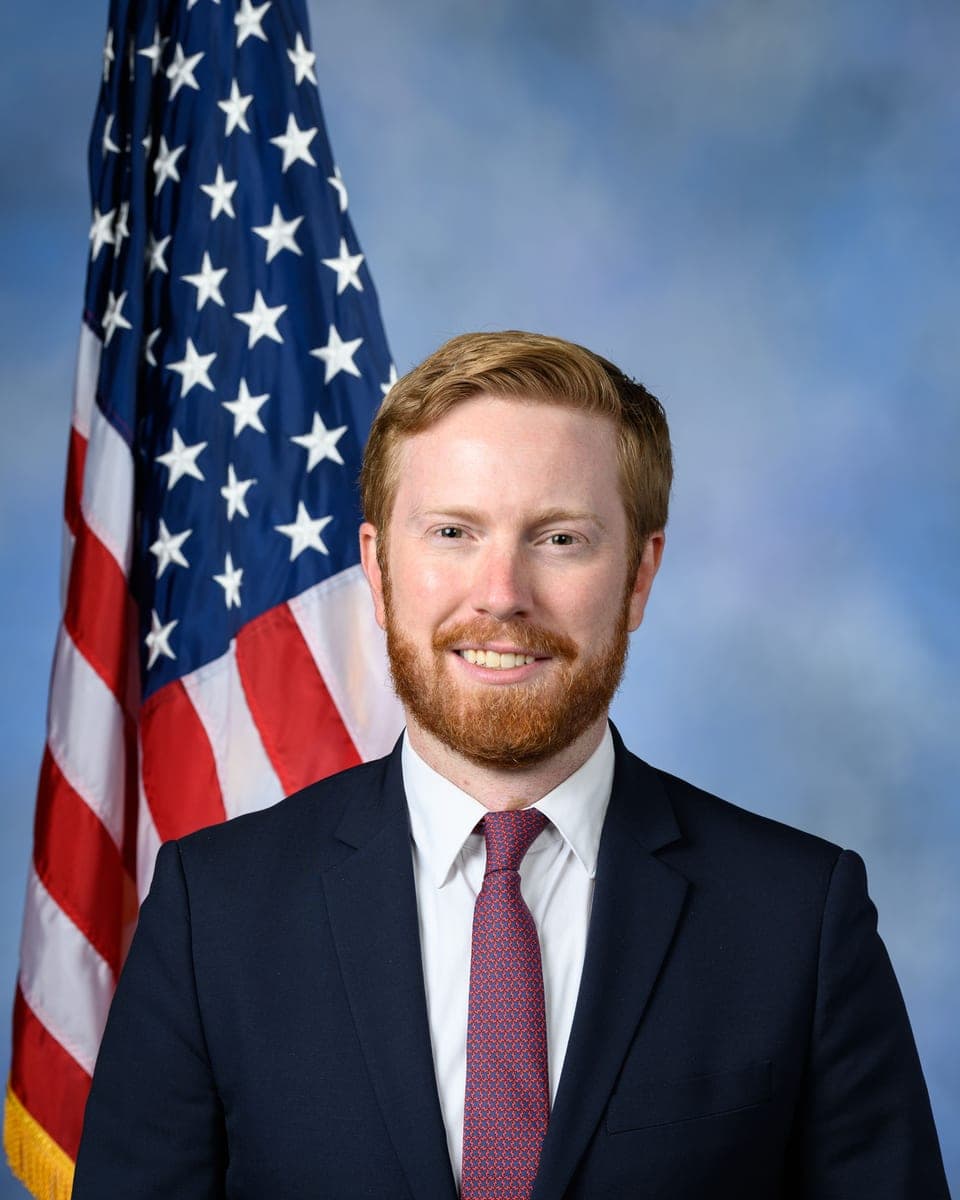
Former Republican congressman commenting on Democratic party dynamics
Part of a bigger story
45 OUTLETSOutlets agree Abdul El-Sayed won Michigan’s Democratic Senate primary over Haley Stevens and will face Republican Mike Rogers in November. Left-leaning outlets present the win as a progressive challenge to party leaders and a marker of movement momentum, while also weighing its reach in November. Center outlets emphasize the close result, party direction and the general-election contest. Right-leaning outlets often frame the result as a leftward shift or establishment setback and stress questions about El-Sayed’s general-election appeal, with some focusing on ethical or policy criticism.
- ARTICLES
- 51
- OUTLETS
- 45
- AVG CRED
- 69
Discussion · 0
Loading comments…