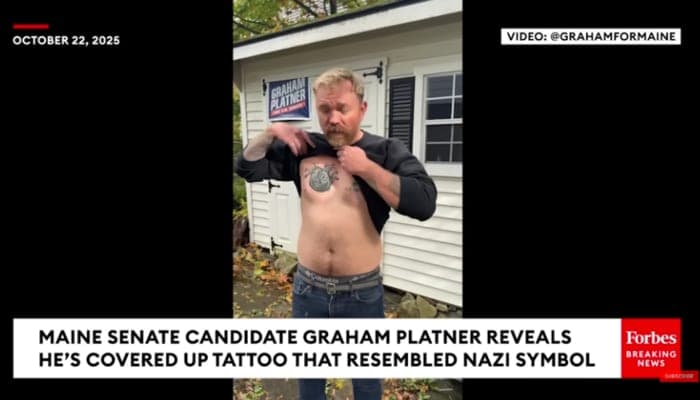
Graham Platner Nazi Tattoo Controversy Draws Mild Coverage From New York Times
The article criticizes the Times for what it describes as comparatively mild coverage of his tattoo.
SOURCE CHECK
TAP FOR WHYNewsBusters is identified as an opinion publisher, and this piece is an argumentative critique rather than independent, balanced reporting. The named author provides some attribution, but the article offers limited sourcing beyond its characterization of other coverage.
- Source type — Opinion-oriented publisher; strong prior for advocacy-framed commentary rather than straight reporting.
- Editorial standards — The article uses overtly argumentative language and does not present a range of perspectives.
- Author attribution — A named author is credited.
- Transparency — It identifies the Times articles and columns it discusses, but provides little independent sourcing for its broader claims.
The piece identifies specific Times coverage and quotes or describes examples, but its argument is one-sided, relies heavily on evaluative language, and does not include responses from Platner or the Times.
HOW WE SCORE ↗The article advances a clear critique of the Times and does not provide its response, Platner’s response, or substantial context that might complicate the argument.
- Counterarguments presented — No response from the Times or Platner is included.
- Loaded language — The article repeatedly uses charged terms to characterize the Times’ coverage.
- Source diversity — The argument relies on the author’s selection and interpretation of Times examples rather than a range of independent sources.
- Omitted context — The article offers little context about the Times’ reporting decisions or the people discussed beyond the selected examples.
The article uses a strongly conservative critique of the Times, portraying its coverage of liberal-aligned figures as indulgent and its coverage of conservative figures as excessive.
- Language tone — Loaded phrases such as “hysterics,” “feverish bouts,” and “shrugs” cast the Times as ideologically inconsistent.
- Framing — The article presents Platner’s tattoo as evidence of a double standard in coverage of figures associated with different political camps.
- Source selection — Examples are selected to criticize Times coverage of Musk and Hegseth while defending Platner from what the article calls insufficient scrutiny.
NewsBusters criticizes the New York Times for what it portrays as uneven coverage of Graham Platner’s Nazi-associated tattoo and other figures’ gestures or tattoos. The article contrasts coverage of Platner, a Maine Senate candidate, with coverage of Elon Musk and Pete Hegseth.
NewsBusters says Platner got a Totenkopf tattoo while serving in the Marines in 2007 and covered it with new ink in October 2025 after it became a campaign controversy. The article argues that the New York Times treated the tattoo less critically than gestures by Elon Musk and a Christian tattoo worn by Pete Hegseth.
The article cites Times columnist Frank Bruni’s support for Platner and his criticism of Musk and Hegseth, and says the Times described Platner as an oyster farmer and veteran without mentioning the tattoo. It also notes that Senator Susan Collins voted to impeach Trump in 2021.
Community verdict
4 VOTES
Counts every outlet’s report of this story. See all 14
- Readers of left-leaning coverage: not enough votes yet
- Readers of right-leaning coverage: 0% good look
Votes cast on this page
Votes cast on this page: ▲ 0 · ◆ 0 · ▼ 0
People in this story
SWIPE →Maine Senate candidate whose tattoo and the Times’ coverage of it are discussed

Maine senator and potential opponent in the Senate race

President, mentioned as the political context for Platner’s possible effect on the Senate
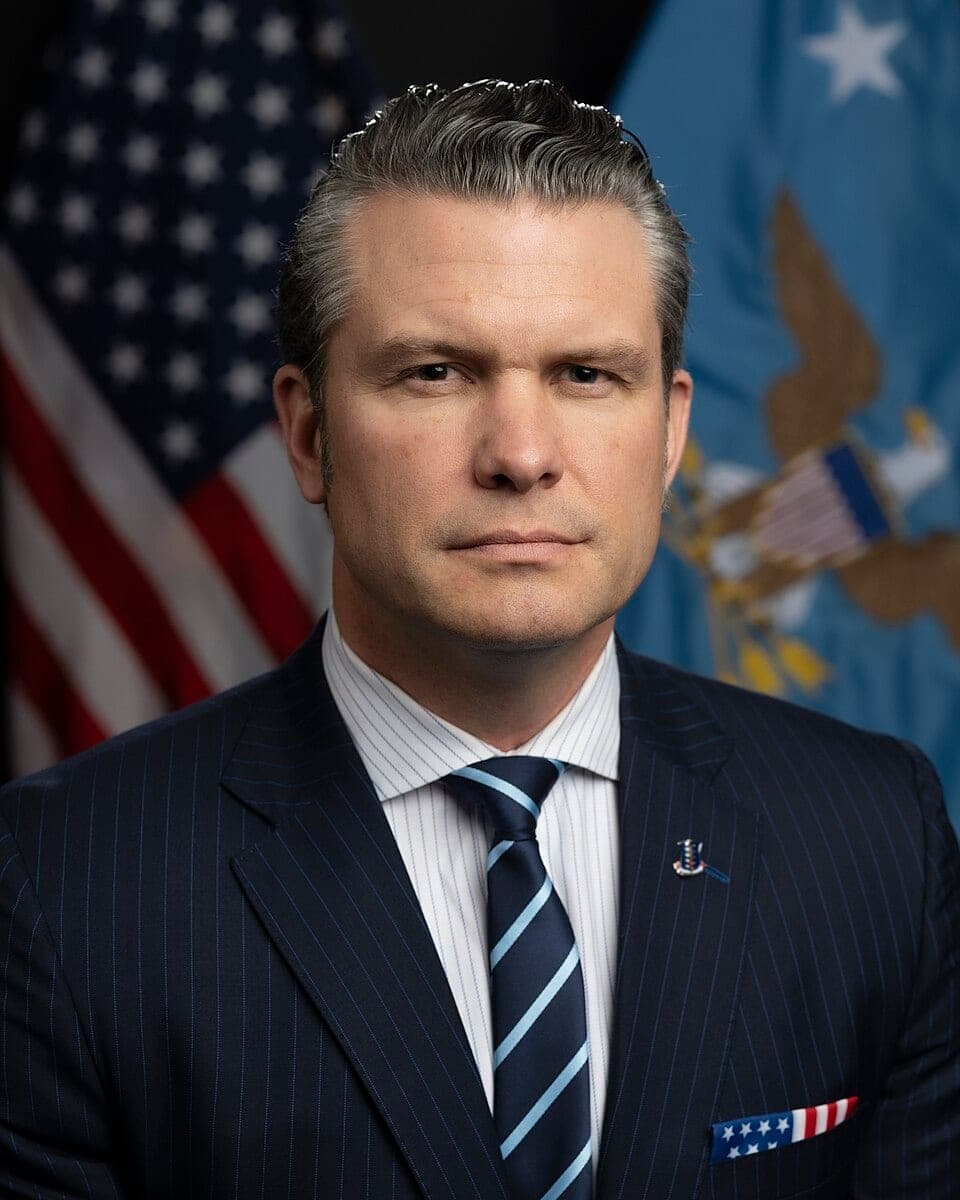
Secretary of Defense, discussed in connection with his Christian tattoo and Times coverage
Part of a bigger story
11 OUTLETSGraham Platner, a Maine Senate candidate, faces scrutiny over a tattoo described as Nazi-associated. Left-leaning outlets press Platner to disclose details of his disability application and explain how his mental-health conditions could affect stressful work. Center outlets split between questioning whether he recognized the tattoo’s association and criticizing Democrats for backing him despite the controversy. Right-leaning outlets emphasize the tattoo and past remarks, often casting Democratic support as evidence of the party’s tolerance of extremism or criticizing coverage as uneven.
- ARTICLES
- 14
- OUTLETS
- 11
- AVG CRED
- 55
Discussion · 0
Loading comments…