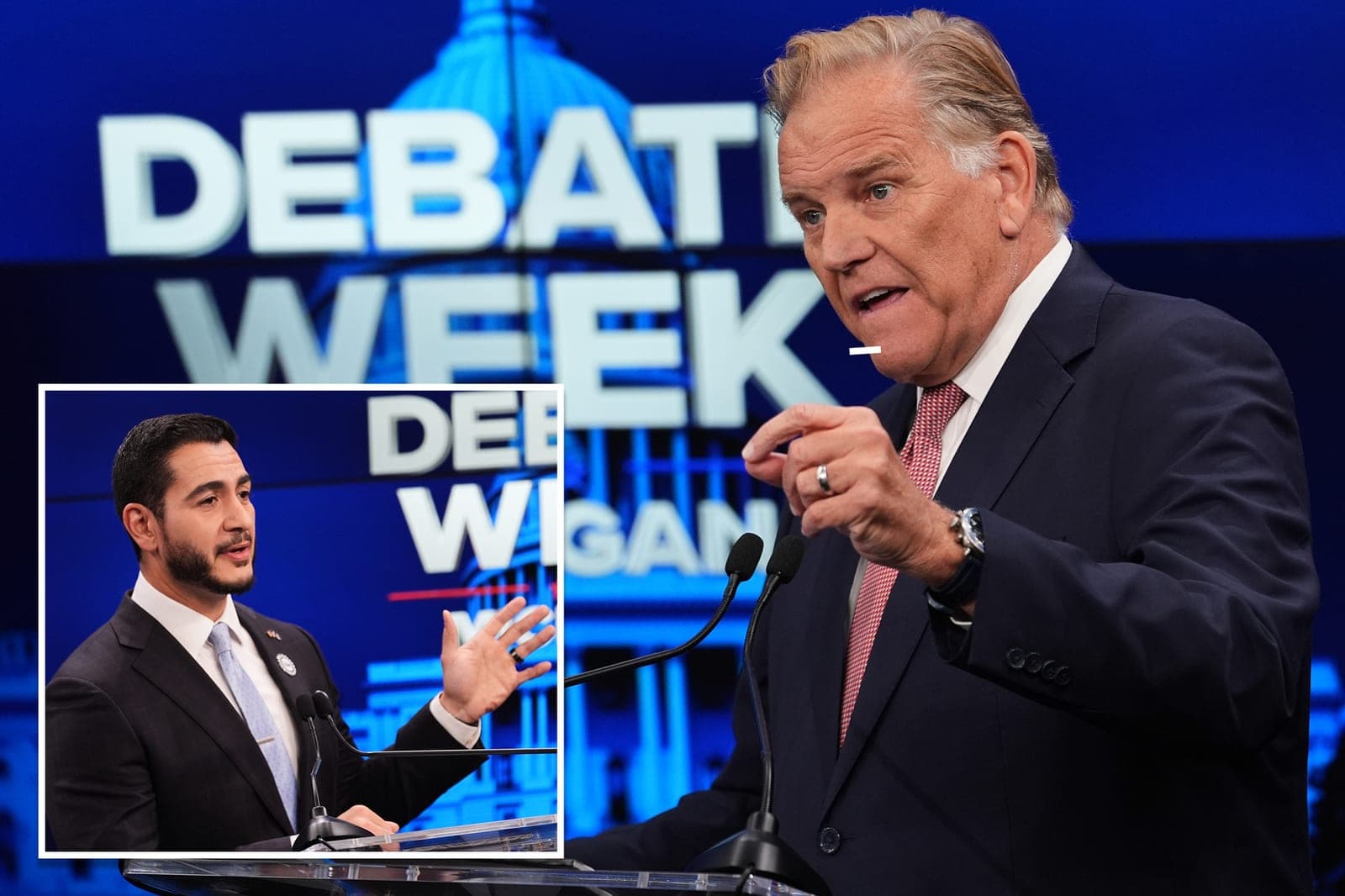
Mike Rogers clobbers Abul El-Sayed as ‘fake doctor’ who’d be jailed for treating patients during feisty Michigan debate
Rogers accused Senate opponent Abdul El-Sayed of misleading voters about his medical credentials.
SOURCE CHECK
TAP FOR WHYThe New York Post is an established national outlet with a recognizable newsroom and attributed reporting, though its tabloid style and limited context in this short piece temper the assessment.
- Source type — Established national outlet; its tabloid presentation warrants some caution.
- Author attribution — The article names a reporter.
- Editorial standards — The piece attributes statements to the candidates and a factual detail to Politico, but offers little context.
The article reports the debate exchange with direct quotations and attributes a detail about patient-care experience to Politico. It gives El-Sayed's response about his education but does not establish the licensing question or provide fuller context for the competing claims.
HOW WE SCORE ↗Both candidates' positions appear, but the article centers Rogers' accusation and does not substantially examine the licensing question or give El-Sayed's response comparable space.
- Counterarguments presented — El-Sayed's education is noted, but the article gives little detail about his response to the claim that he misled voters.
- Source diversity — The article quotes both candidates, but most direct quotations are from Rogers.
- Loaded language — The headline's “clobbers” and “fake doctor” framing is pointed.
The article gives Rogers' attack prominent space and uses a headline that presents it as a decisive blow. Its description of El-Sayed as “far-left” and limited presentation of his response tilt the framing to the right.
- Headline — “Clobbers” and “fake doctor” frame Rogers' attack as forceful and credible.
- Language tone — The article calls El-Sayed a “far-left rival” and repeats Rogers' disparaging characterization.
- Source selection — Rogers' accusations receive several quotations, while El-Sayed's response is brief.
At a Michigan Senate debate, Republican Mike Rogers accused Abdul El-Sayed of misleading voters by calling himself a doctor. El-Sayed cited his medical degree and medical-school attendance; the article says his only hands-on patient-care experience was a four-week internship, citing Politico.
At a debate in Grand Rapids on Oct. 8, Mike Rogers accused Democratic Senate candidate Abdul El-Sayed of leaving voters with the impression that he had practiced medicine. Rogers said El-Sayed was not really a doctor and called his presentation a “con.”
El-Sayed pointed to his medical degree from Columbia University College of Physicians and Surgeons and his attendance at the University of Michigan Medical School. The article says, citing Politico, that the only evidence of hands-on patient care was a four-week hospital internship.
Community verdict
12 VOTES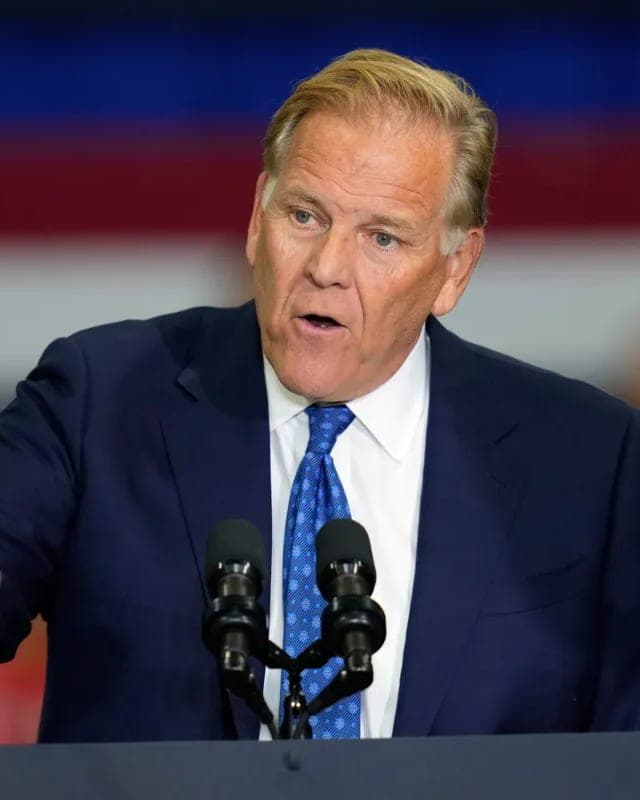
Counts every outlet’s report of this story. See all 38
Votes cast on this page
Votes cast on this page: ▲ 0 · ◆ 0 · ▼ 0
People in this story
SWIPE →Republican Michigan Senate candidate who attacked his opponent during a debate
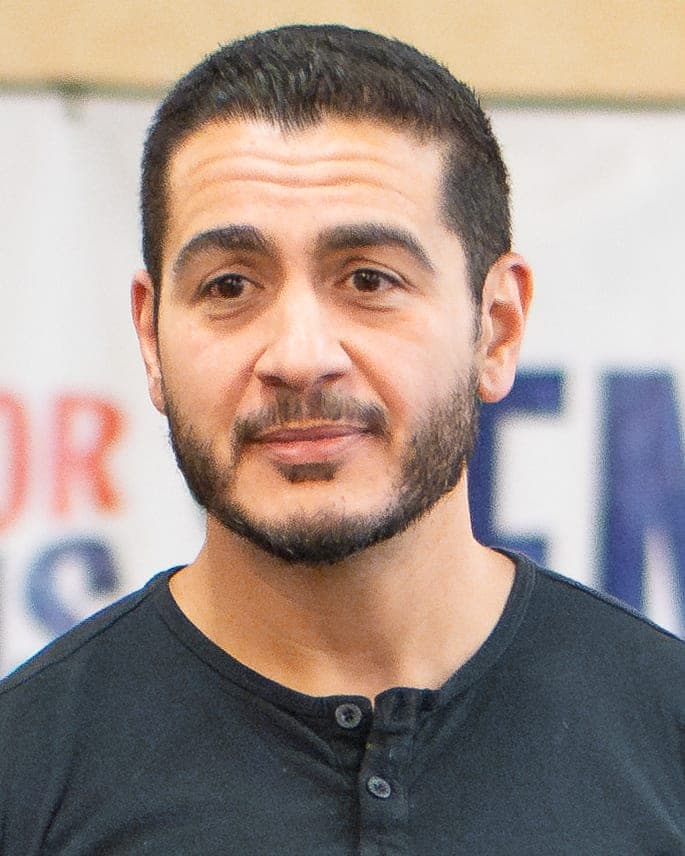
Democratic Michigan Senate candidate challenged by Rogers over his use of the doctor title
El-Sayed's version of this story ↗Part of a bigger story
31 OUTLETSRogers released a campaign ad calling for an end to tariffs on Canada after previously supporting or defending them. Left-leaning outlets often frame the move as a reversal under campaign pressure; center outlets mostly present the ad and its break from Rogers’s earlier position, with some connecting it to prices or the race; right-leaning outlets emphasize the change’s timing before the election and Rogers’s earlier support for tariffs.
- ARTICLES
- 38
- OUTLETS
- 31
- AVG CRED
- 69
Discussion · 0
Loading comments…