Michigan primary between Haley Stevens and Abdul El-Sayed turns into 'battle for the soul' of the Dem Party
El-Sayed is presented as the progressive candidate in a primary framed as a test of the party’s direction.

SOURCE CHECK
TAP FOR WHYThe New York Post is an established national publication with identifiable authorship, but the article’s tabloid style and strongly framed language warrant a score below leading newspapers of record.
- Editorial standards — The article includes reporting and polling details, but its tabloid presentation tempers confidence in its editorial restraint.
- Track record — An established national publication with a substantial history of political coverage.
- Author attribution — The article names a reporter and attributes quotations to sources.
The article provides polling figures, ad-spending data and views from supporters of both candidates, with claims attributed to sources. Its account leans heavily on campaign-aligned voices and offers limited independent context for interpreting the polling and spending.
HOW WE SCORE ↗The article presents competing arguments and voter perspectives, along with polling and spending figures. It relies mainly on campaign supporters and interested observers rather than a broad range of independent sources.
- Counterarguments presented — Supporters of both candidates offer contrasting accounts of the race.
- Source diversity — The story includes a campaign advocate, party figures and voters, but few independent experts.
- Loaded language — Some charged wording is used, although much of it appears in attributed comments.
The reporting includes views from both candidates’ supporters, but repeatedly uses labels such as “hardcore progressive” and “far-left” and frames the contest around questions of progressive electability.
- Framing — The contest is framed as a test of whether a progressive can win in a swing state.
- Language tone — Some labels for the progressive side are charged, though they are partly used in attributed statements.
- Source selection — The article includes supporters and critics of both candidates, limiting a stronger directional lean.
A preview of Michigan’s Democratic Senate primary portrays Abdul El-Sayed and Haley Stevens as competing representatives of the party’s progressive and moderate wings. Polls cited in the article show El-Sayed leading the primary but trailing Republican Mike Rogers in a hypothetical general-election matchup.
The article describes the primary between El-Sayed and Stevens as a test of whether a progressive outsider or a more moderate candidate is better positioned to win in Michigan. It reports that El-Sayed was ahead by about 10 points in the RealClearPolitics polling aggregate, while an EPIC-MRA survey showed Stevens ahead of Rogers in a hypothetical November matchup and El-Sayed behind him.
The article also reports that more than $80 million had been spent or reserved on advertising in the Democratic primary, which it called the most expensive Senate primary in the party’s history. Supporters of both candidates offered contrasting views of the race, while Stevens and Senator Gary Peters pushed back on framing it as a national party fight.
Community verdict
10 VOTES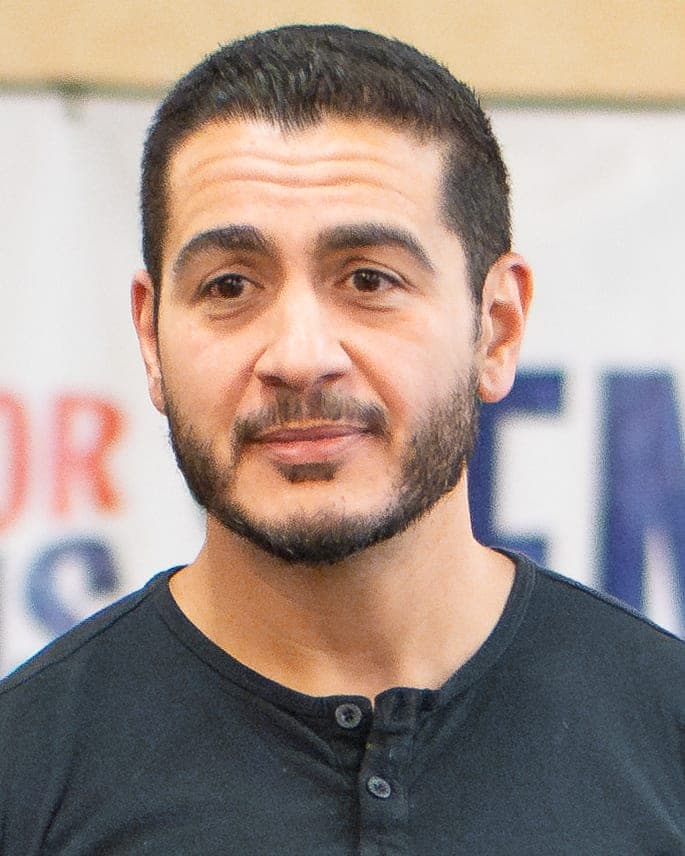
People in this story
SWIPE →
Democratic Senate candidate in Michigan’s primary
Stevens's version of this story ↗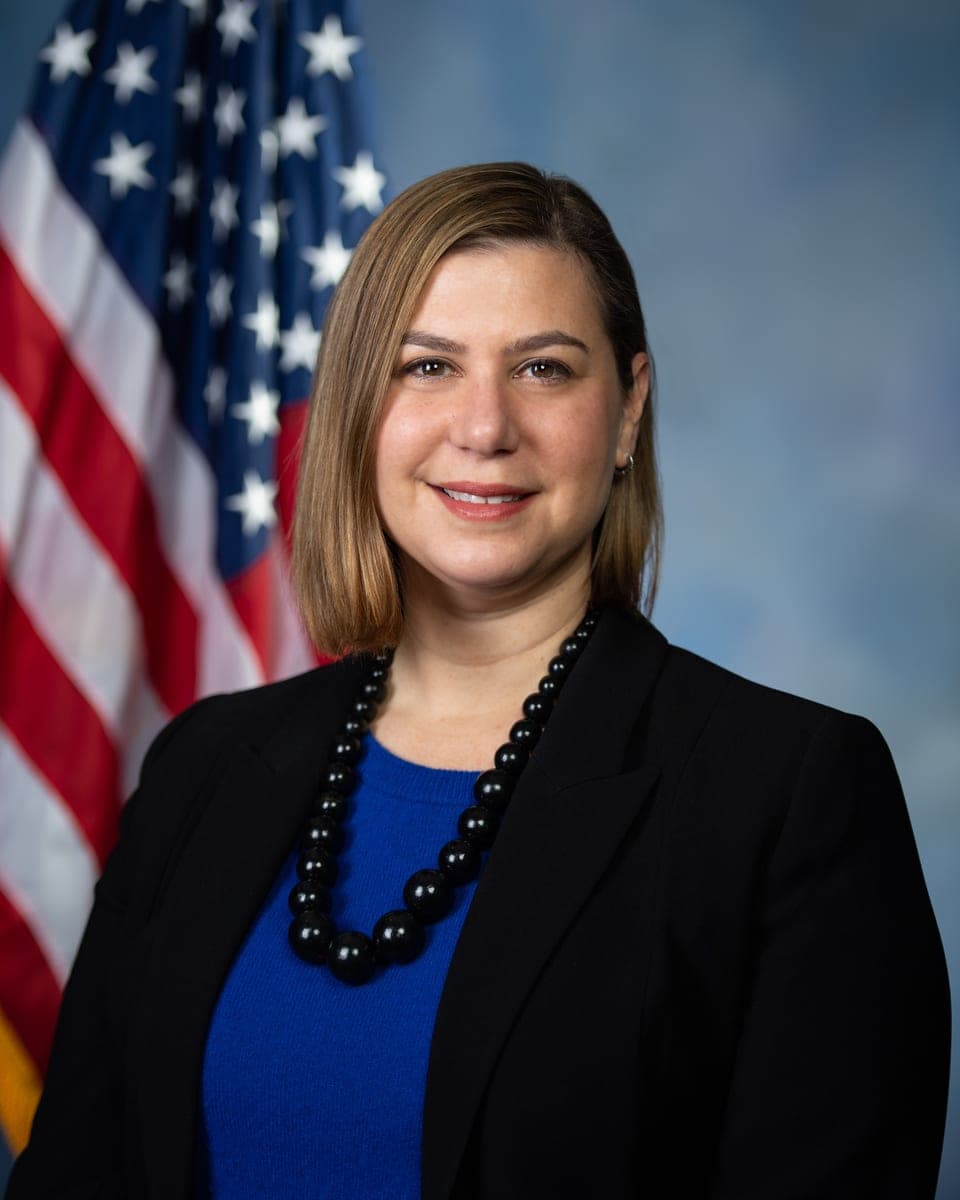
Senator who defeated Rogers in 2024

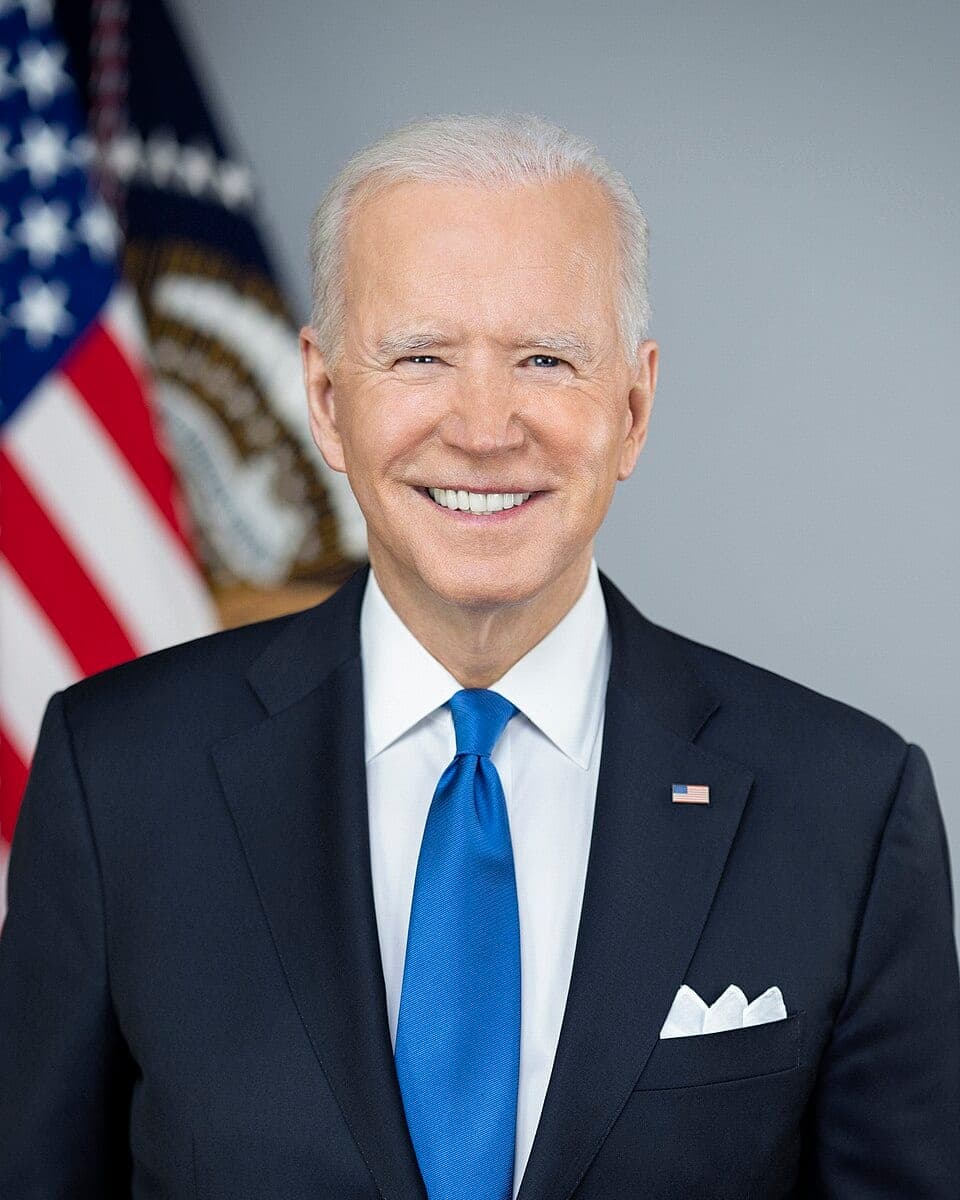
President whose 2024 victory in Michigan is cited as political context
Former president mentioned in connection with Michigan’s 2024 uncommitted movement
Senator who backs El-Sayed
Republican Senate candidate in Michigan

Representative whose district has a Democratic primary contest
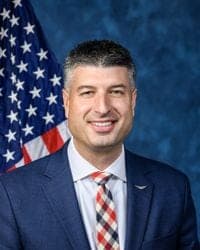
Representative whose district has a Democratic primary contest
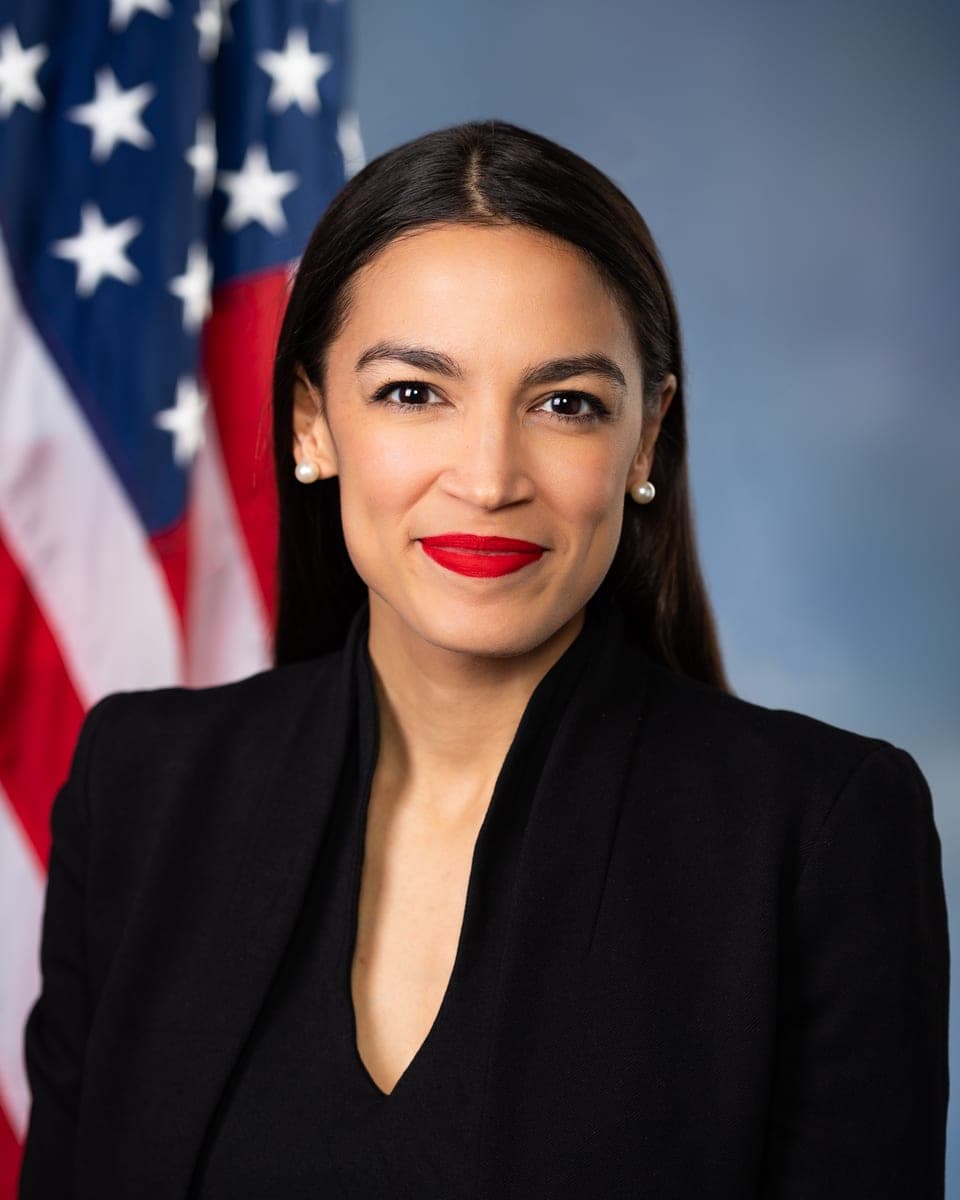
Representative who backs El-Sayed
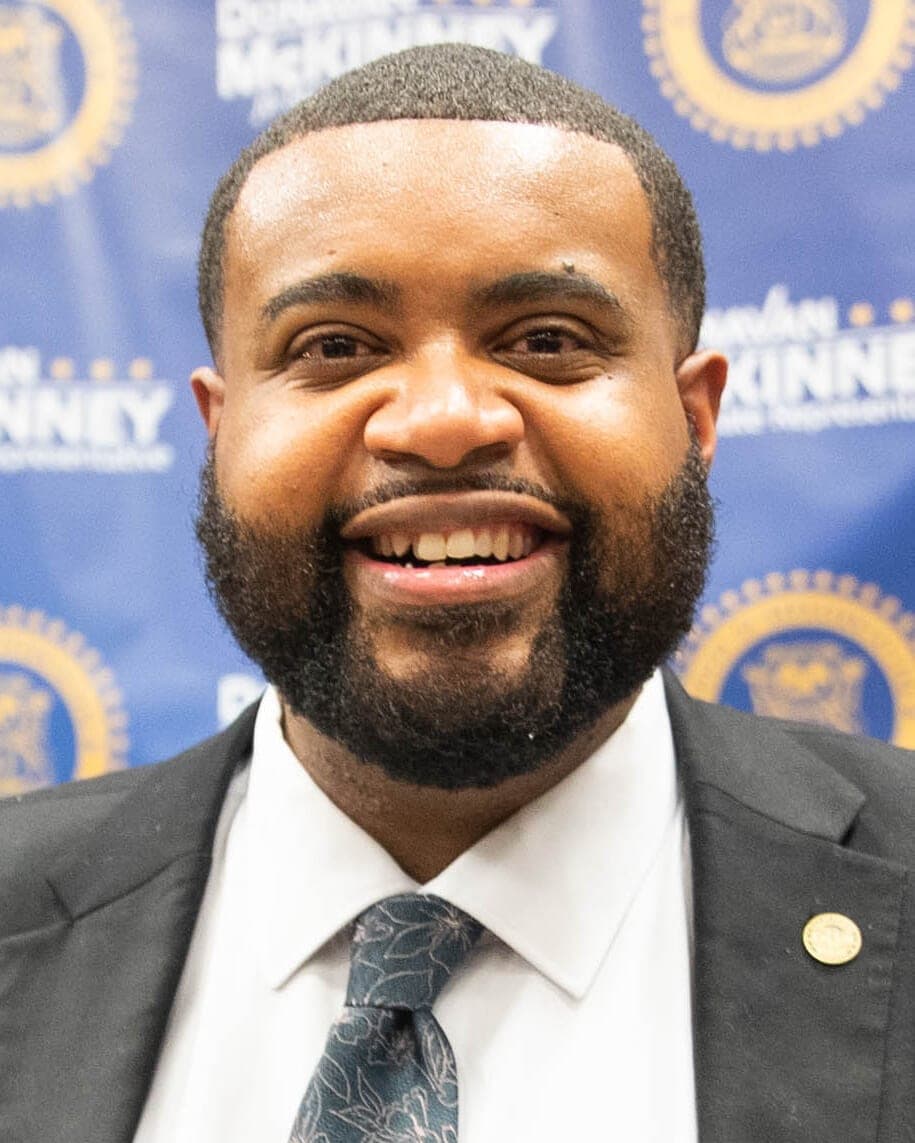
Democratic House candidate challenging Thanedar
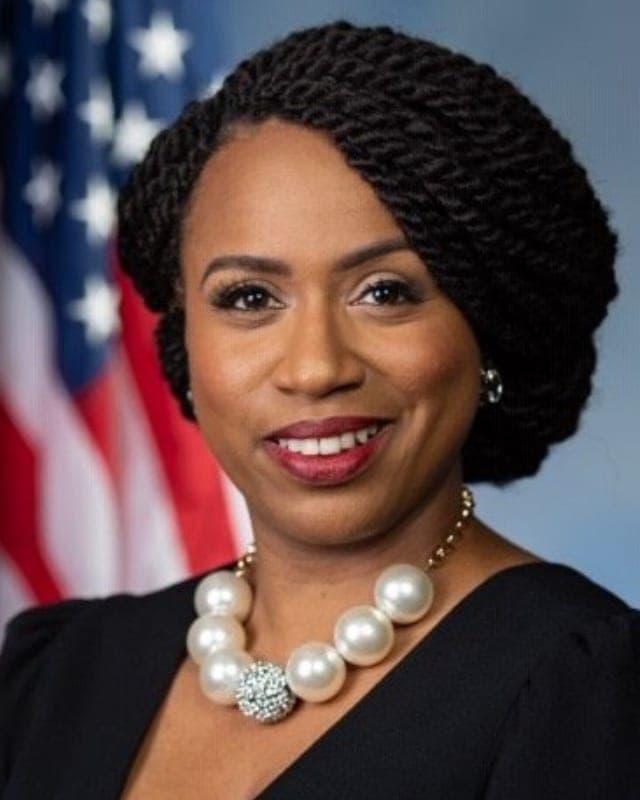
Representative shown campaigning with El-Sayed
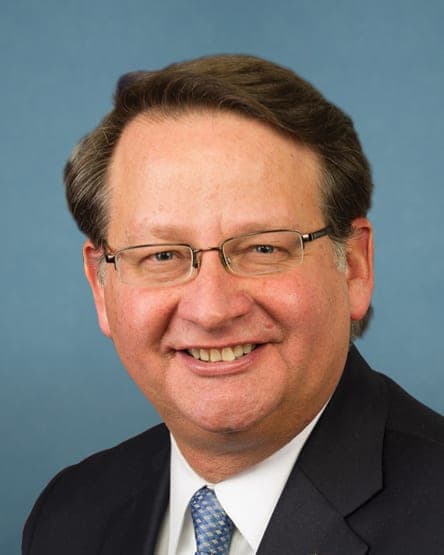
Senator retiring from office who endorsed Stevens
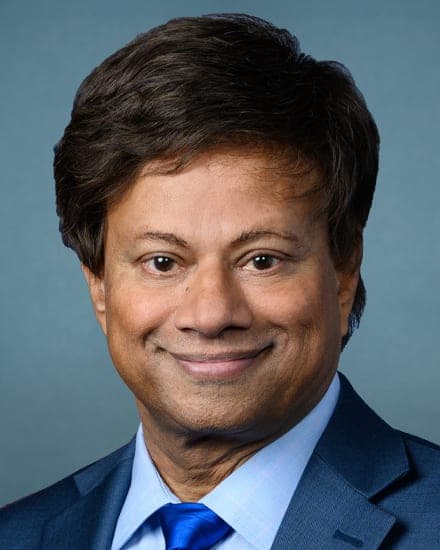
Representative facing a Democratic primary challenger
Part of a bigger story
14 OUTLETSAbdul El-Sayed won Michigan’s Democratic Senate primary, defeating Rep. Haley Stevens, and is set to face Mike Rogers in November. Left-leaning outlets frame the race as a test of progressive electability and, after El-Sayed’s win, part of a broader pattern of progressive primary victories. Center outlets mostly treat the contest as a test of Democrats’ direction or a marquee race, while also highlighting voter dynamics and Israel policy. Right-leaning outlets frame it as a clash between party factions and emphasize whether a progressive can win a swing state.
- ARTICLES
- 14
- OUTLETS
- 14
- AVG CRED
- 76
Discussion · 0
Loading comments…