JD Vance attacks 'very evil' Abdul el-Sayed at Michigan rally, defends wife Usha
Vance used a Michigan rally to criticize El-Sayed and defend his wife.

SOURCE CHECK
TAP FOR WHYThe New York Post is an established national outlet, and its site rating supports a moderate-to-good institutional assessment. The article names its author, but this short campaign-event report relies heavily on rally remarks and provides limited independent context.
- Track record — The publisher's rating of 66 across 120 stories indicates a generally credible but not top-tier record.
- Source type — A national news outlet with an established editorial operation.
- Author attribution — The article identifies Steven Nelson as its author.
The report gives specific quotations and includes responses from El-Sayed, but most of its account comes from Vance’s rally remarks. It offers little independent verification or broader context for the allegations and remarks.
HOW WE SCORE ↗The article includes El-Sayed’s reactions before and after the rally, but Vance’s accusations and statements take up most of the article. It provides little independent examination of the claims being disputed.
- Counterarguments presented — El-Sayed’s response is included, but the article does not provide a detailed answer to Vance’s allegations.
- Source diversity — The story primarily relies on comments by the two political figures rather than independent sources.
- Loaded language — Strong language appears mainly in attributed quotations and the headline.
The article is mostly a straightforward account, but its headline and the bulk of its quotations foreground Vance’s attacks, with El-Sayed’s response receiving less space. The language is largely attributed rather than presented as the outlet’s own judgment.
- Source selection — Vance’s remarks dominate the article, while El-Sayed receives a shorter response.
- Headline — The headline foregrounds Vance’s harsh characterization of El-Sayed and his defense of his wife.
- Language tone — Most charged language is directly quoted and attributed to the speakers.
Vice President JD Vance attacked Michigan Senate candidate Abdul El-Sayed at a rally, criticized his association with Hasan Piker, and urged voters to support Mike Rogers. El-Sayed responded by criticizing Vance and the Trump administration’s trade dispute with Canada.
At a rally in Sterling Heights, Vance called El-Sayed “very evil” and accused him of showing sympathy for people who share his religion while lacking compassion for others. Vance also criticized El-Sayed’s relationship with commentator Hasan Piker and told El-Sayed to stop invoking his wife, Usha. He urged Michigan voters to support Republican Senate candidate Mike Rogers.
El-Sayed responded on X that Vance’s description of us-versus-them politics resembled his own view of working people versus billionaires and Michigan versus Ohio. Before the rally, El-Sayed also mocked Vance’s visit from Ohio and criticized the Trump administration’s trade dispute with Canada.
Community verdict
7 VOTES
People in this story
SWIPE →Vice President who attacked El-Sayed at a Michigan rally and urged support for Mike Rogers
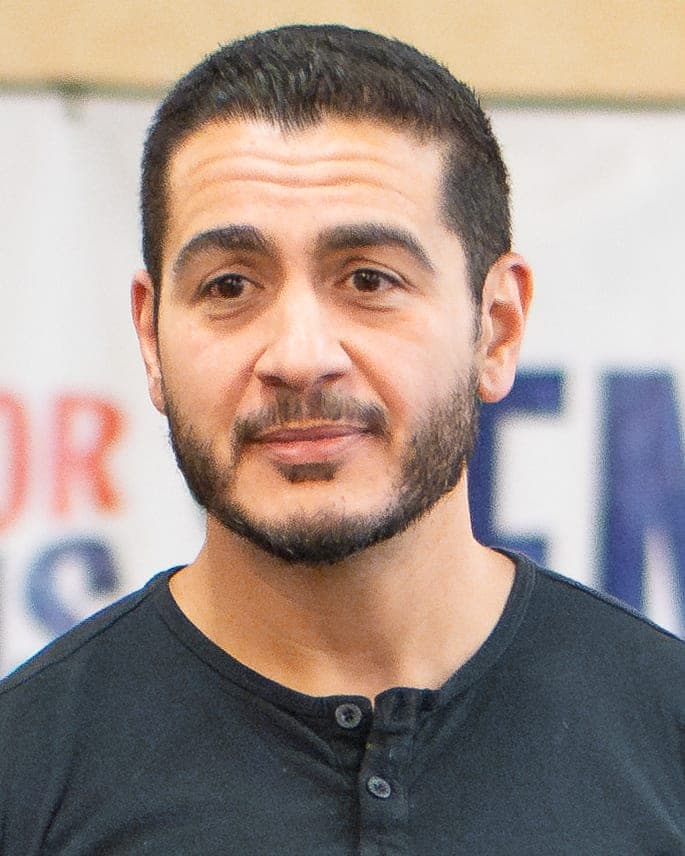
Michigan Senate candidate criticized by Vance and respondent to his remarks
El-Sayed's version of this story ↗Republican Senate candidate whom Vance urged voters to support
Part of a bigger story
15 OUTLETSOutlets on the left, center and right report that Vice President JD Vance criticized Michigan Senate candidate Abdul El-Sayed at a Michigan campaign event while urging support for Mike Rogers. Left-leaning outlets frame Vance’s attacks as hypocritical and potentially helpful to El-Sayed. Center outlets focus on the personal exchange and El-Sayed’s responses, with some placing it in the Senate race. Right-leaning outlets foreground Vance’s rebuke and defense of his wife, while also covering how a broadcast presented his remarks.
- ARTICLES
- 15
- OUTLETS
- 15
- AVG CRED
- 66
Discussion · 0
Loading comments…