GOP effort to censure Dem Plaskett for texting Epstein survives first House vote
The House rejected a resolution to censure Plaskett over texts she exchanged with Epstein during a congressional hearing.

SOURCE CHECK
TAP FOR WHYThe New York Post is an established national outlet with named reporters, but its tabloid style and headline framing warrant a score below major newspapers of record. The article attributes key accusations and includes a response from Plaskett’s spokesperson, while relying partly on reporting first published elsewhere.
- Source type — Established national outlet, though its tabloid presentation lowers confidence relative to newspapers of record.
- Editorial standards — The article attributes claims and identifies the source of earlier reporting, but its framing is sensational.
- Author attribution — Two reporters are named.
- Transparency — It says the Post sought comment from Plaskett’s office and includes a spokesperson’s response reported by The Washington Post.
The report gives vote tallies, quotes the resolution’s sponsor, identifies the source of the newly released records and includes a response from Plaskett’s spokesperson. The sponsor’s case receives substantially more space, and Plaskett’s office did not provide a direct comment to the Post.
HOW WE SCORE ↗The article gives the sponsor’s allegations and rationale considerably more attention than Plaskett’s response. It reports the vote and includes her spokesperson’s denial of the implication that the texts reflected improper conduct, but provides little additional context or independent examination.
- Source diversity — Norman’s position and a statement from Plaskett’s spokesperson are both included, but the source material is not evenly developed.
- Counterarguments presented — The article includes Plaskett’s spokesperson’s response but no direct comment from Plaskett.
- Loaded language — Some emotionally charged descriptions are attributed to sources; the headline also uses a compressed, attention-grabbing framing.
- Omitted context — The article gives limited independent context about the hearing and the substance of the texts.
The report’s headline and repeated emphasis on Plaskett’s contact with Epstein frame the story critically toward her. It attributes the strongest accusations to Norman and includes a response from her spokesperson, rather than presenting those accusations as established findings.
- Headline — The headline foregrounds Plaskett’s texting with Epstein as the reason for the censure effort.
- Framing — The story repeatedly describes Epstein as a sex predator and gives extensive space to Norman’s criticism.
- Source selection — Norman’s position is quoted at length, while Plaskett’s response appears through a spokesperson’s statement to another outlet.
The House rejected a Republican-led resolution to censure Delegate Stacey Plaskett over her texts with Jeffrey Epstein, voting 209-214. The resolution also called for her removal from the Intelligence Committee and an Ethics Committee investigation.
The House voted against the censure resolution, with all Democrats and three Republicans opposing it; three other Republicans voted present. Earlier that day, the House also rejected a Democratic effort to refer the resolution to the Ethics Committee, 213-214. Representative Ralph Norman introduced the resolution, which called for Plaskett’s censure, removal from the Intelligence Committee and an Ethics Committee investigation.
The article reports that newly released Epstein records included an email showing Plaskett texting Epstein during a hearing with Michael Cohen, and that Epstein encouraged her to ask Cohen about President Trump’s former executive assistant. Norman said Plaskett took direction from Epstein. A Plaskett spokesperson told The Washington Post that she welcomed information that could help her get at the truth and supported Epstein’s victims.
Community verdict
8 VOTES
Counts every outlet’s report of this story. See all 34
- Readers of left-leaning coverage: not enough votes yet
- Readers of right-leaning coverage: 17% good look
Votes cast on this page
Votes cast on this page: ▲ 0 · ◆ 0 · ▼ 0
People in this story
SWIPE →Delegate targeted by a censure resolution over her texts with Jeffrey Epstein

Representative who introduced the censure resolution
Norman's version of this story ↗
Representative who voted against the censure resolution

Representative who voted present on the censure resolution

Representative who voted against the censure resolution

President referenced in connection with the hearing and Plaskett’s questions to Michael Cohen

Representative who voted present on the censure resolution

Representative who voted against the censure resolution
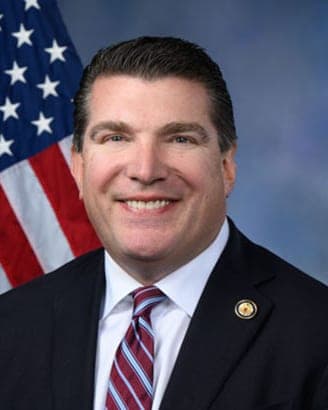
Representative who voted present on the censure resolution
Part of a bigger story
21 OUTLETSNewly released messages showed Stacey Plaskett exchanging texts with Jeffrey Epstein during her questioning of Michael Cohen at a 2019 hearing. The House later rejected a censure resolution over the exchanges. Center outlets recount the messages and the censure dispute, often including Plaskett’s response. Right-leaning outlets more often frame the texts as real-time coaching and stress criticism of Plaskett or political consequences for Democrats.
- ARTICLES
- 34
- OUTLETS
- 21
- AVG CRED
- 55
- townhall.com · CNN Bats Cleanup for a Democrat Connected to Epstein As Politico Ruefully Admits No Trump Crime Is Proven
- The Daily Caller · Republicans Keep Democrat Crazies Off The Hook — To Protect Their Own Swamp Creature
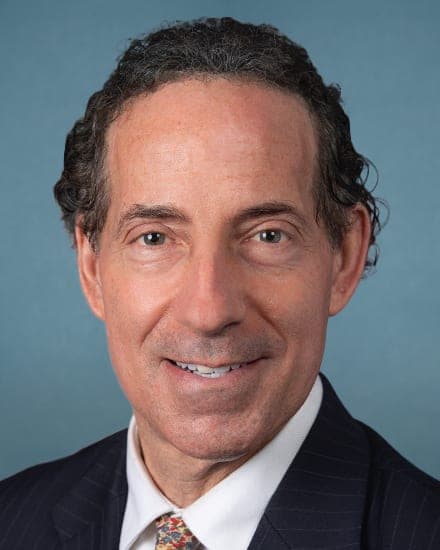
- twitchy.com · Try Not to Get Whiplash During Jamie Raskin's FAST One-Eighty on Epstein When Defending a Dem Colleague
Discussion · 0
Loading comments…