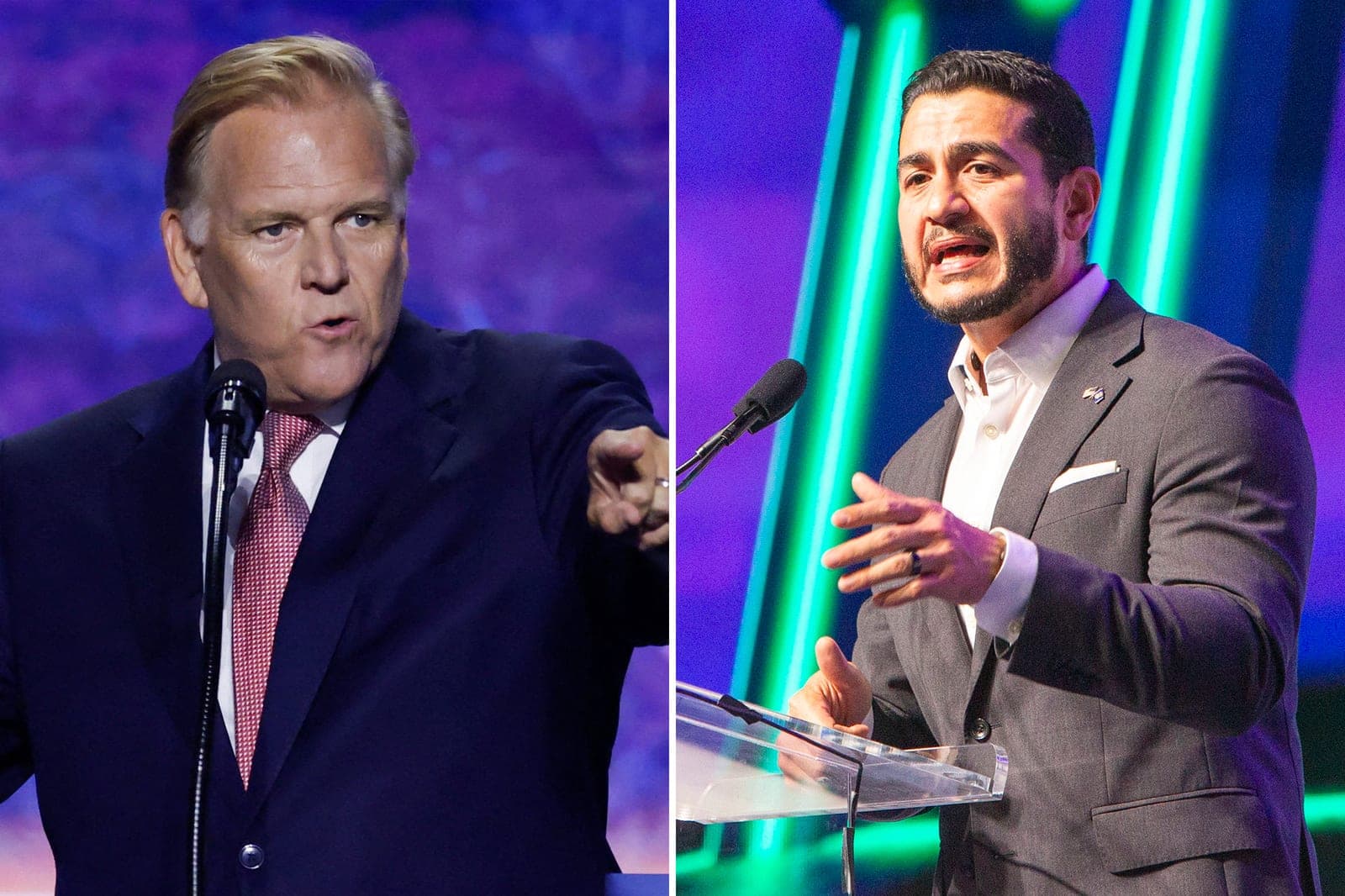
Exclusive | Abdul El-Sayed 'separated himself from Team America' with 9/11 comments, GOP rival says
Rogers attacked El-Sayed’s past 9/11 remarks, while El-Sayed’s communications director defended him.
SOURCE CHECK
TAP FOR WHYThe New York Post is an established national outlet with attributed reporting and named sources, though its tabloid style and the article’s limited sourcing temper the score.
- Source type — Established national news outlet; source type is a positive institutional signal.
- Author attribution — The article names a reporter and attributes key claims to the candidates or a campaign spokesperson.
- Editorial standards — The outlet has an established newsroom, but the tabloid presentation warrants some caution.
- Source diversity — Includes responses from both campaigns, though much of the account relies on their statements.
The article includes attributed comments from both campaigns and relevant context about Rogers’s position on the first-responder health program. Its account is relatively brief and offers limited independent sourcing or broader context.
HOW WE SCORE ↗The article includes accusations from Rogers and a response from El-Sayed’s communications director, plus context about Rogers’s record. The sourcing is limited and the headline and opening give greater prominence to Rogers’s attack.
- Counterarguments presented — El-Sayed’s campaign responds directly to Rogers’s criticism.
- Source diversity — Both campaigns are represented, but there are no independent expert or documentary sources in the text.
- Omitted context — The brief article gives limited context about the candidates’ broader positions or the underlying healthcare dispute.
- Loaded language — Strong characterizations appear in attributed campaign remarks and shape the story’s framing.
The framing foregrounds Rogers’s accusation and repeats his characterization of El-Sayed, while El-Sayed’s response comes through a campaign spokesperson. The article also includes context that complicates Rogers’s criticism.
- Headline — The headline centers Rogers’s negative characterization of El-Sayed.
- Source selection — Rogers receives extensive quoted criticism, while El-Sayed’s response is conveyed by his communications director.
- Framing — The article foregrounds the 9/11 controversy but also recounts Rogers’s position on responder healthcare.
- Language tone — Much of the sharp language is attributed to the candidates or their representatives rather than stated as the article’s own judgment.
Michigan Senate candidate Mike Rogers accused Abdul El-Sayed of anti-American rhetoric over his comments about 9/11. El-Sayed’s communications director defended him and accused Rogers of opposing healthcare funding for first responders.
Rogers criticized El-Sayed’s past comments about the September 11 attacks, including remarks from a resurfaced podcast episode and a post marking the attacks’ 20th anniversary. Rogers said El-Sayed would need a “full about-face” to earn his support.
El-Sayed’s communications director, Roxie Richner, responded that Rogers had voted against healthcare funding for 9/11 first responders. The article says Rogers had objected to establishing the World Trade Center Health Program as a mandatory initiative and had instead unsuccessfully pushed for a $150 million appropriation. It also reports that Republicans have criticized El-Sayed for campaigning with streamer Hasan Piker, who said in 2019 that America “deserved” 9/11.
Community verdict
12 VOTES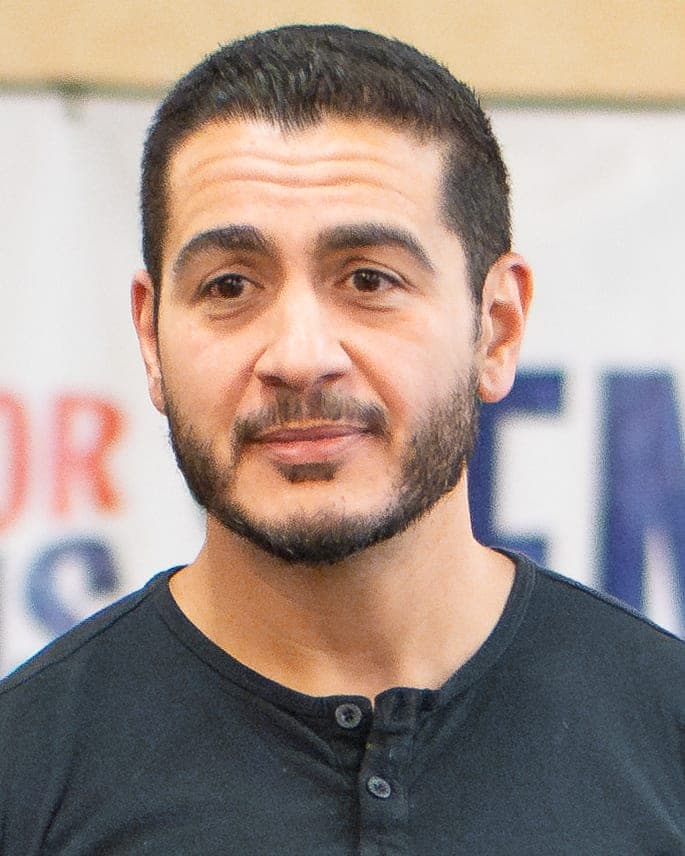
People in this story
SWIPE →Democratic Senate candidate criticized by Rogers over past 9/11 comments
Republican Michigan Senate candidate who criticized El-Sayed and whose record was challenged in response
Rogers's version of this story ↗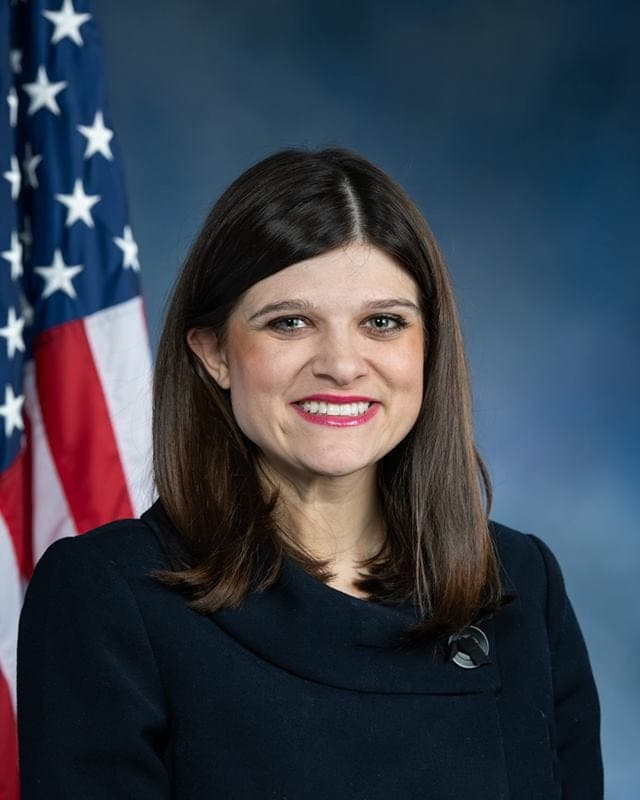
Representative mentioned in connection with El-Sayed’s primary battle
Part of a bigger story
3 OUTLETS- ARTICLES
- 3
- OUTLETS
- 3
- AVG CRED
- 61
Discussion · 0
Loading comments…