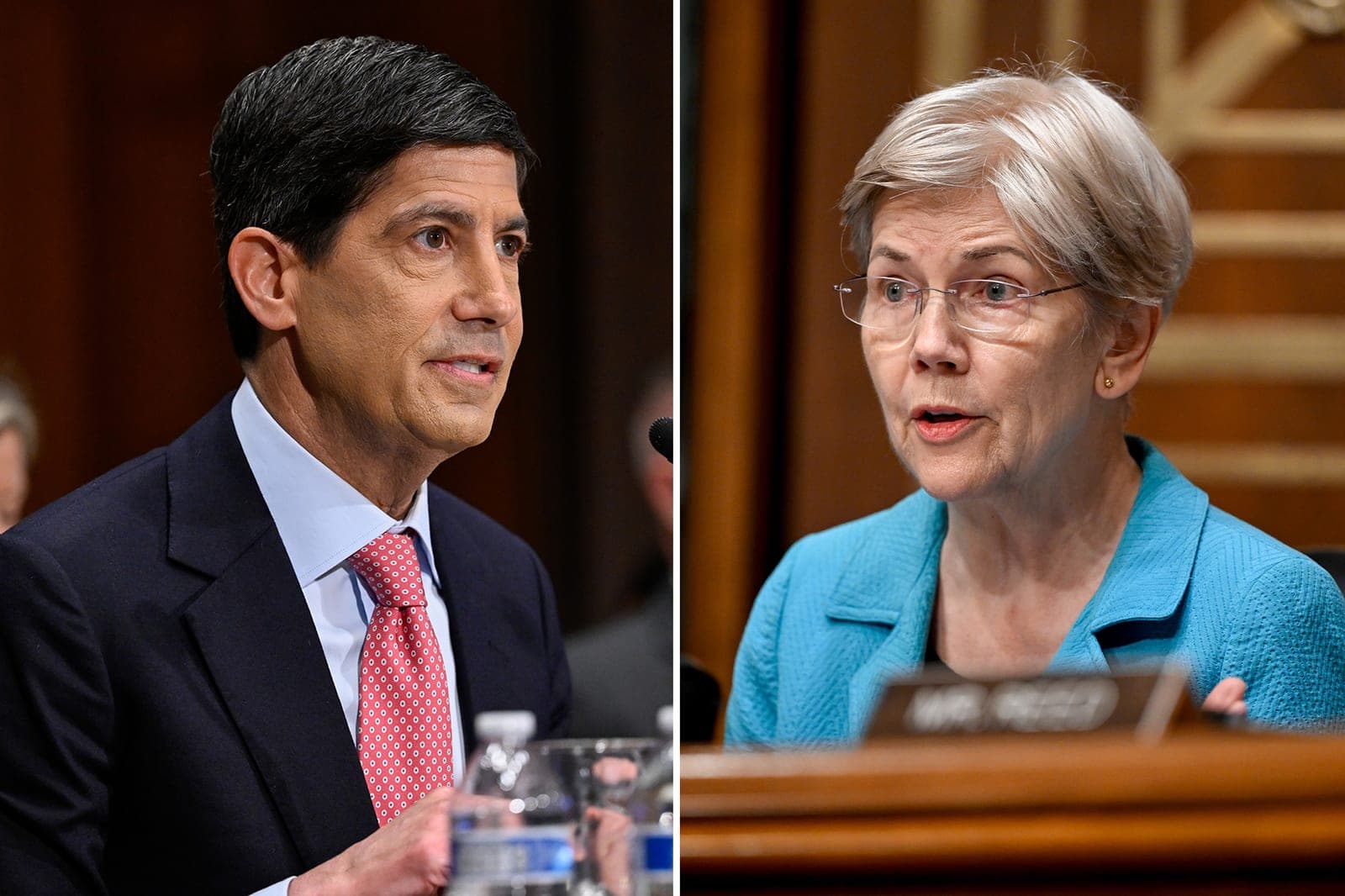
Elizabeth Warren attacks Kevin Warsh at Senate hearing, floating corruption accusations
Warren challenged Kevin Warsh over his asset sales, Fed ethics concerns and his relationship with the president.
SOURCE CHECK
TAP FOR WHYThe New York Post is an established national publication with identifiable authorship, but its tabloid presentation and comparatively weaker reputation for restrained framing temper its credibility score.
- Source type — An established national news publisher, though with a tabloid style.
- Editorial standards — The publisher has a professional newsroom, but this story uses a dramatic framing.
- Author attribution — The article names an author.
- Transparency — The article identifies the hearing and attributes key statements to participants.
The story provides specific exchanges from the hearing, attributes claims and responses to the participants, and includes Warsh’s answer to the central question. It gives limited independent verification or context for the allegations and relies partly on a cited newspaper report.
HOW WE SCORE ↗The article presents Warren’s allegations alongside Warsh’s answers and Rounds’s opportunity for him to respond. It offers limited independent verification of the underlying financial and blackout-period claims.
- Counterarguments presented — Warsh’s responses, including his denial that anyone gave him $100 million, are included.
- Source diversity — The account includes exchanges from Warren, Warsh and Rounds, but few outside perspectives.
- Omitted context — The article does not independently establish who purchased Warsh’s assets or what occurred at the reported dinner.
- Loaded language — Some dramatic descriptions shape the presentation, though key judgments are attributed.
The report mostly recounts the hearing exchange, but its headline and some narrative wording cast Warren’s accusations as questionable and give Warsh’s rebuttals prominent space. The overall tilt is slight rather than pronounced.
- Headline — Describes Warren as floating corruption accusations, a skeptical framing of her claims.
- Language tone — Uses dramatic descriptions of the exchange while attributing the accusations and replies.
- Source selection — Includes statements from Warren, Warsh and Rounds, with Warsh’s denials and explanations represented.
At a Senate Banking Committee hearing, Elizabeth Warren pressed Federal Reserve Chair Kevin Warsh about his asset sales and the handling of an alleged blackout-period meeting involving Fed Vice Chair Michelle Bowman. Warsh denied receiving $100 million, and Sen. Mike Rounds gave him time to respond.
Warren questioned Warsh about selling more than $100 million in assets before taking office and asked who had bought them. Warsh said he had complied with legal requirements and, when Rounds asked directly, denied that anyone had given him $100 million. Warren also challenged Warsh over a report that Bowman spoke at an invite-only dinner during a blackout period; Warsh said he did not know the facts and would leave the matter to the Fed inspector general.
Warren accused Warsh of setting a tone that invited corruption and of being in President Donald Trump’s “pocket,” citing Trump’s statements about wanting a Fed chair who would lower rates. Warsh also discussed AI’s potential effects on productivity, wages and prices, and said he expected a short-term price increase that he did not consider inflationary.
Community verdict
23 VOTES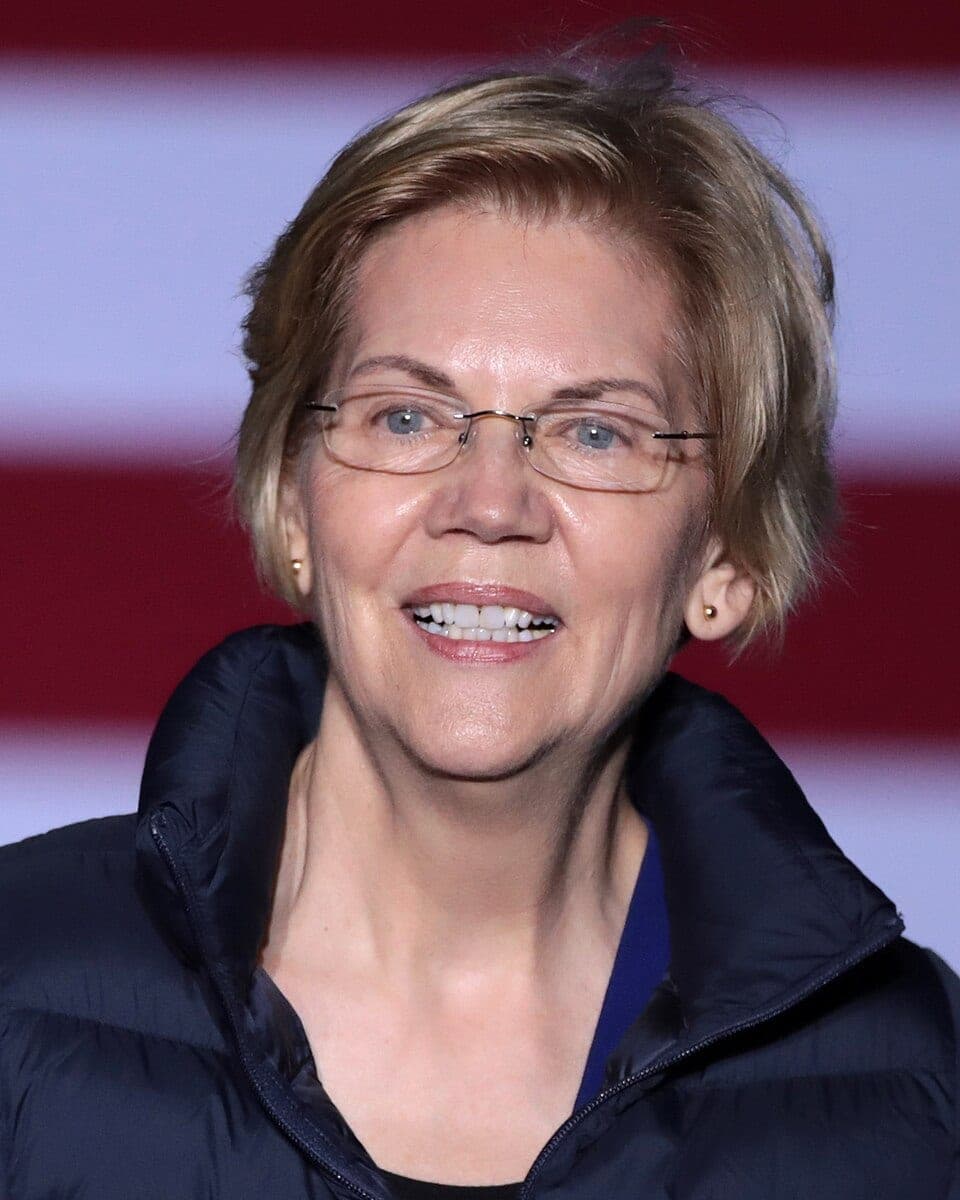
Counts every outlet’s report of this story. See all 2
Votes cast on this page
Votes cast on this page: ▲ 0 · ◆ 0 · ▼ 0
People in this story
SWIPE →
Federal Reserve chair testifying before the Senate Banking Committee
Warsh's version of this story ↗
President whose statements about interest rates Warren cited
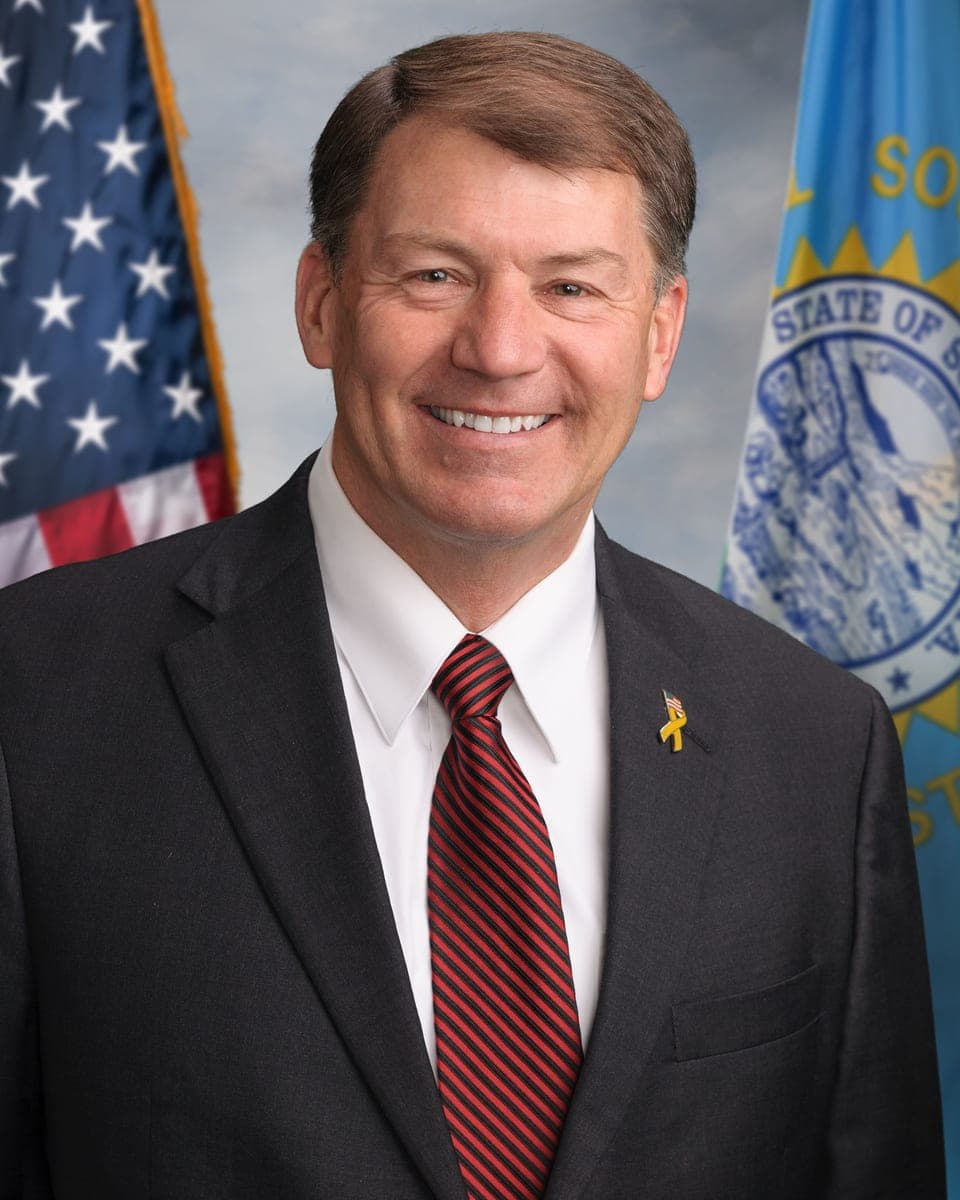
Senator who invited Warsh to respond
Part of a bigger story
2 OUTLETSDiscussion · 0
Loading comments…