Centrist Republicans rebel, force a vote on Obamacare subsidy extension in blow to Speaker Johnson
Fitzpatrick joined three other Republicans in signing a petition to force a vote on extending the enhanced health care subsidies.

SOURCE CHECK
TAP FOR WHYThe New York Post is an established national outlet with an identifiable author and conventional reporting, though its tabloid style and weaker reputation for restrained presentation temper its institutional score.
- Source type — Established national outlet with a recognizable newsroom, but a tabloid presentation.
- Editorial standards — The piece uses named sources and attributed quotations, though the framing is sometimes sensational.
- Author attribution — The article names a reporter.
- Transparency — It identifies its sources and includes a wire-service photo credit, but offers limited reporting-method detail.
The article gives named lawmakers’ explanations, procedural details, vote counts and estimates attributed to the Congressional Budget Office. It offers limited direct argument against extending the subsidies and relies substantially on lawmakers’ statements.
HOW WE SCORE ↗The story includes explanations from the Republicans who signed the petition, Jeffries’ appeal, and Johnson’s response, as well as context on the Republican alternative. It gives limited space to arguments against extending the subsidies.
- Counterarguments presented — Reports that the GOP alternative omitted an extension and includes Johnson’s response, but does not lay out a detailed case against extending the subsidies.
- Source diversity — Includes remarks from the Speaker, the minority leader and Republican lawmakers who signed the petition.
- Loaded language — Some dramatic wording colors the account, though most claims are attributed.
- Opinion vs reporting — Presented as a news report rather than an opinion piece.
The reporting is broadly factual, but phrases such as “went rogue,” “blow to Speaker Johnson” and “gone up in flames” give the account a mildly critical framing of Republican leadership.
- Language tone — Uses dramatic phrasing to describe Republican dissent and the leadership setback.
- Framing — Emphasizes the defection and pressure on GOP leadership while also explaining the party’s alternative bill.
- Source selection — Quotes both the petition’s supporters and Speaker Johnson, with additional Republican explanations.
Four House Republicans signed a Democratic-led discharge petition seeking a vote on extending enhanced Affordable Care Act subsidies, setting up a House vote likely in January. The House also passed a Republican health care bill that does not extend the subsidies.
Reps. Brian Fitzpatrick, Mike Lawler, Rob Bresnahan and Ryan Mackenzie signed a discharge petition led by House Minority Leader Hakeem Jeffries to force a vote on a three-year extension of enhanced Affordable Care Act subsidies. The petition reached the 218 signatures needed to require a vote, though the article says a vote was unlikely before January. Speaker Mike Johnson said he had not lost control and described the House’s narrow majority and procedures.
Community verdict
25 VOTES
Counts every outlet’s report of this story. See all 27
Votes cast on this page
Votes cast on this page: ▲ 0 · ◆ 0 · ▼ 0
People in this story
SWIPE →Republican representative who signed the discharge petition
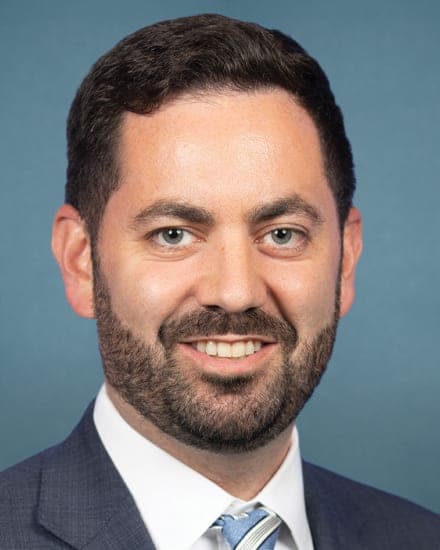
Republican representative who signed the discharge petition
Lawler's version of this story ↗
Speaker of the House whose leadership the petition bypassed

President who has proposed changing how the enhanced subsidies are paid

Republican representative who crossed party lines on the House health care bill

New Jersey governor-elect whose petition signature was still counted
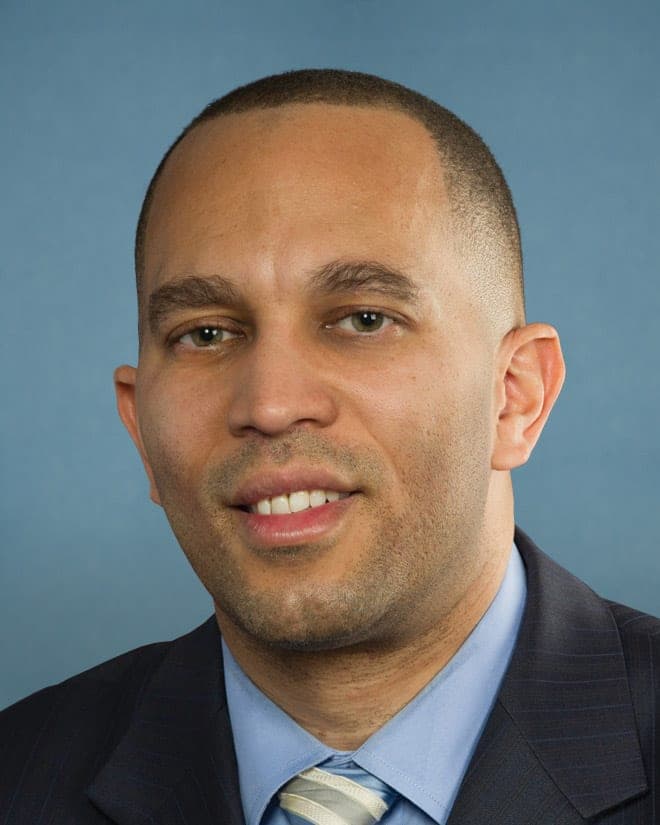
House Minority Leader who led the discharge petition

Republican representative who signed the discharge petition
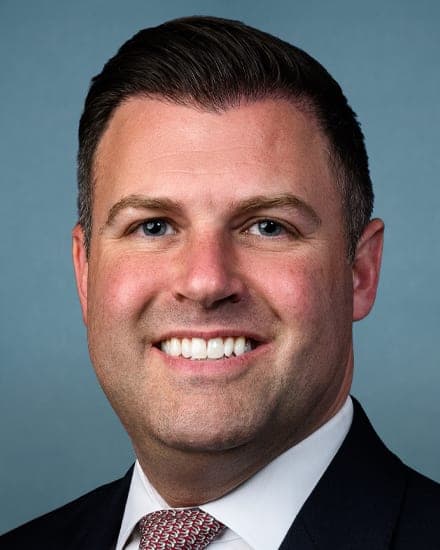
Republican representative who signed the discharge petition
Part of a bigger story
24 OUTLETSFour House Republicans, including Brian Fitzpatrick, signed a petition seeking a House vote on extending enhanced Affordable Care Act subsidies. Left-leaning outlets portray the signatures as forcing Johnson to confront the issue and stress the consequences of expiration. Center outlets largely describe a bipartisan effort to secure a vote, often noting premium concerns and an uncertain path ahead. Right-leaning outlets emphasize the break with Republican leadership, with coverage ranging from a leadership setback to conservative criticism of the signers.
- ARTICLES
- 27
- OUTLETS
- 24
- AVG CRED
- 73
Discussion · 0
Loading comments…