Julianne Malveaux: The audacity of Joyce Beatty
Malveaux criticizes Trump’s efforts to change the Kennedy Center and his reported response to Beatty’s opposition.

SOURCE CHECK
TAP FOR WHYCredibility rates New Pittsburgh Courier, where this article appeared. The other scores rate the article itself.
The New Pittsburgh Courier is an established regional publication, and the page identifies the column’s author and its TriceEdneyWire.com origin. The reproduced opinion piece is clearly attributed, though the page offers limited evidence here about the publisher’s corrections practices or original reporting.
- Source type — Established regional newspaper; the recorded source type is unknown.
- Author attribution — The column is attributed to Julianne Malveaux and identifies her as its author in the closing note.
- Transparency — The page identifies TriceEdneyWire.com as the source of the reproduced column.
- Correction history — The article text provides no information about corrections practices.
This is a clearly argued opinion column with a specific account of Beatty’s legal challenge, but it provides few supporting details about the lawsuits or their rulings and does not present Trump’s or the board’s perspective.
HOW WE SCORE ↗The piece is an opinion column that advances a favorable case for Beatty and a critical case against Trump. It provides no substantial response or counterargument from Trump or the Kennedy Center’s governing structure.
- Opinion vs reporting — The piece is an openly argumentative opinion column.
- Counterarguments presented — No substantive counterargument or response from Trump or the board is presented.
- Loaded language — Describes Trump’s conduct as “criminal audacity” and Beatty’s as “righteous audacity.”
The column strongly praises Beatty and condemns Trump, using explicit moral judgments such as “righteous audacity” and “criminal audacity.” It does not offer a competing account of the dispute.
- Language tone — Uses emphatic praise for Beatty and morally condemning language about Trump.
- Framing — Frames Beatty’s conduct as courageous resistance and Trump’s as an effort to dominate and claim public memory.
- Source selection — Presents the author’s interpretation without a substantive opposing perspective.
Cites Triceedneywire
This article cites Triceedneywire as its original publisher. ChamberLight has not verified that it is a republication, so the scores are New Pittsburgh Courier's own.
Not rated.
Julianne Malveaux praises Representative Joyce Beatty for suing over President Donald Trump’s efforts to reshape the Kennedy Center, describing her legal challenge as a defense of a public institution and congressional authority. Malveaux uses Beatty’s example to question whether Black political power leads to action.
Malveaux argues that Beatty has challenged Trump’s efforts to change the Kennedy Center, including a bid to put his name on the building. She says Beatty sued and won twice, and describes Trump as responding with insults and a threat during a virtual board meeting. The article presents Beatty’s actions as a defense of the institution and the law.
The column places Beatty’s example in a broader discussion of the Congressional Black Caucus, saying that representation and access to power are not enough without action. It raises questions about voting rights, economic inequality, health and education, and praises other Black political figures for challenging power or advocating for their communities.
Community verdict
13 VOTES
- Readers of left-leaning coverage: 20% good look
- Readers of right-leaning coverage: not enough votes yet
People in this story
SWIPE →President whose actions at the Kennedy Center Beatty challenged
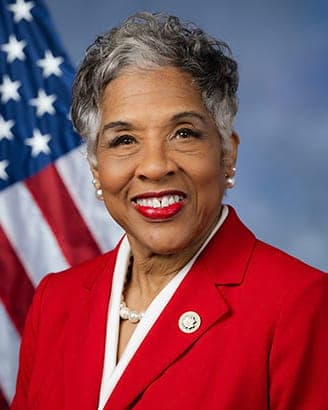
Representative who sued over changes to the Kennedy Center
Beatty's version of this story ↗
Former representative cited for opposing the 2001 Authorization for Use of Military Force
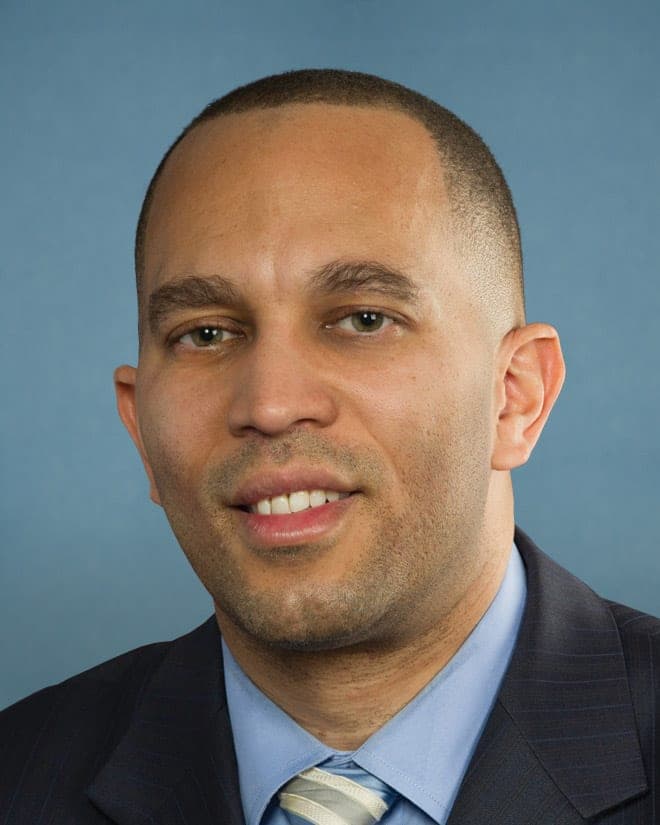
House Minority Leader mentioned as a possible future Speaker

Representative cited for her work on financial issues
Discussion · 0
Loading comments…