DHS restricts congressional visits to ICE facilities in Minneapolis with new policy
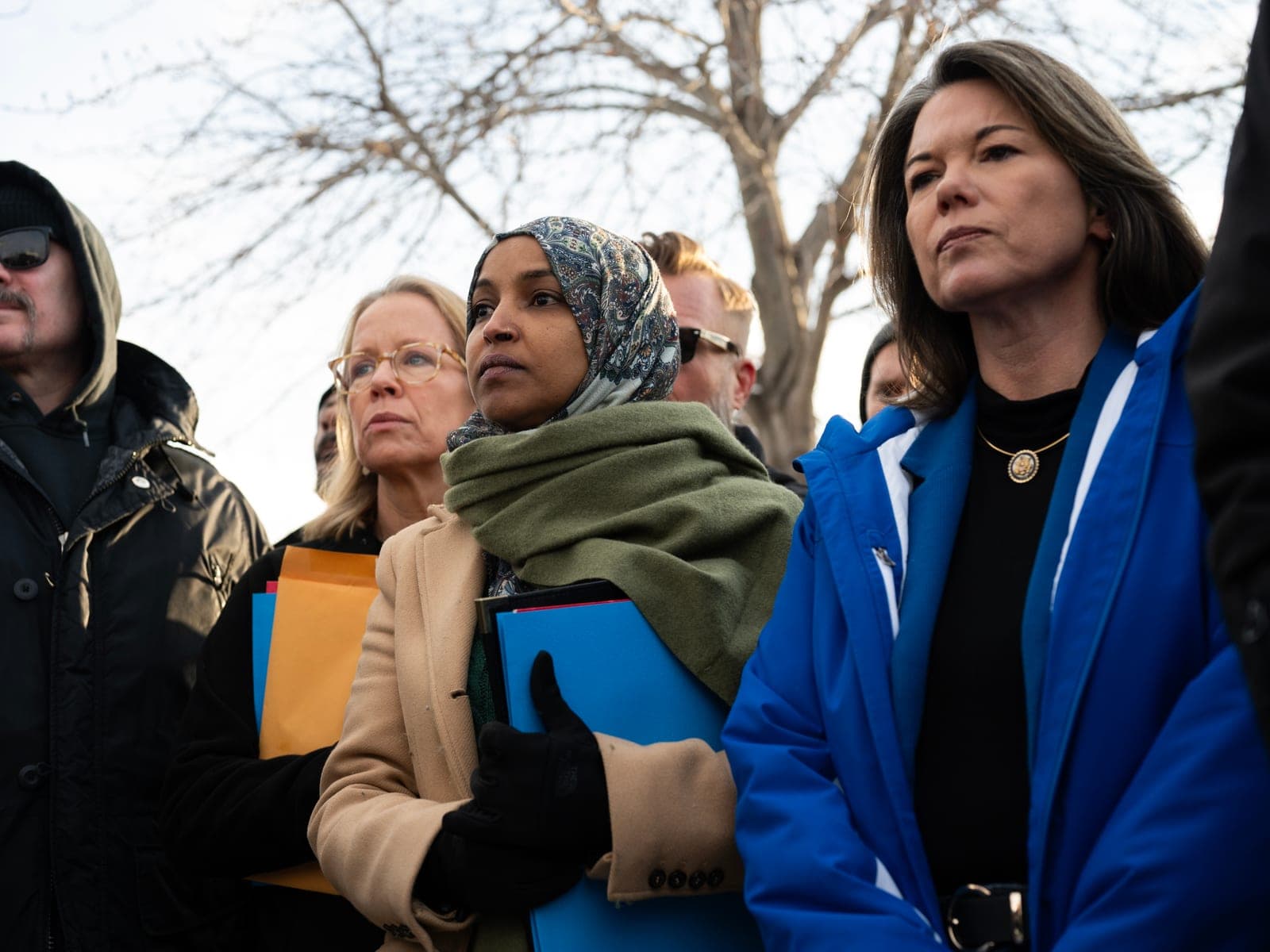
Craig joined the facility visit and argued that Congress must oversee detainee treatment.
SOURCE CHECK
TAP FOR WHYCredibility rates NCPR, which republished this story. The other scores rate the article itself.
NCPR is an established public-radio outlet, and this article is explicitly attributed to NPR, with a named reporter and publication details. The attribution indicates the reporting was produced by a major public-radio newsroom rather than being anonymous or unattributed material.
- Source type — Established local public-radio outlet carrying a report attributed to NPR.
- Author attribution — The page identifies NPR and names reporter Sergio Martínez-Beltrán.
- Editorial standards — Public-radio newsrooms generally operate with established reporting and editing standards.
- Transparency — The article gives a publication date and identifies the source of the reporting.
The report cites a specific memo, describes the relevant legal distinction and includes Noem’s rationale alongside Craig’s response. It provides useful funding context, though the account has limited independent legal analysis and does not include a separate DHS response to the lawmakers’ account.
HOW WE SCORE ↗The article explains the legal and funding context and includes Noem’s justification as well as the lawmakers’ response. It does not provide an independent legal expert’s assessment or a fuller DHS response to the dispute.
- Counterarguments presented — Noem’s safety and staffing rationale is presented alongside the lawmakers’ oversight concerns.
- Source diversity — The account includes a memo and a lawmaker’s statement but few independent voices.
- Omitted context — No independent legal analysis is included to assess how the funding distinction affects the court ruling.
- Loaded language — Charged descriptions appear in attributed quotations rather than as the reporter’s own characterization.
The article reports the policy, its stated rationale and the lawmakers’ objections without adopting a clearly partisan position. Its wording is largely descriptive and attributed.
- Language tone — Mostly neutral reporting language, with quotations attributed to their speakers.
- Source selection — Includes both Noem’s stated rationale and Craig’s account and criticism.
- Framing — Centers on the access restriction and the conflicting rules for unannounced visits.
Republished with credit
Republished from NPR, with credit to the original publisher.
120 stories · 88–89 · updated Oct 13, 2026
This is NPR's own score, and this article is credited to NPR. The host score in the Source Check is NCPR's.
DHS used a new seven-day advance-notice policy to block three Minnesota representatives from touring an ICE facility in Minneapolis. The policy’s legality and its effect on congressional oversight are at issue because federal law and a recent court ruling protect some unannounced visits.
A Jan. 8 memo from Homeland Security Secretary Kristi Noem directs staff to require seven days’ notice for visits to ICE detention facilities funded through the One Big Beautiful Bill Act. Noem argues that the rules for unannounced visits do not apply to those facilities because they use a different source of federal funding. The policy was cited when Reps. Ilhan Omar, Angie Craig and Kelly Morrison were asked to leave a Minneapolis facility after initially being allowed in. Federal law permits unannounced congressional visits, and a federal court ruling last month affirmed that right for facilities funded through regular congressional appropriations.
The article says the law provided about $45 billion for immigration detention centers and about $30 billion for ICE personnel, transportation and facility maintenance. Craig said agents told the lawmakers the Minneapolis facility used that funding, and she said members of Congress must ensure detainees are treated humanely. Noem said advance notice was needed for safety and described some oversight visits as “circus-like publicity stunts.”
Community verdict
27 VOTES
Counts every outlet’s report of this story. See all 7
Votes cast on this page
Votes cast on this page: ▲ 0 · ◆ 0 · ▼ 0
People in this story
SWIPE →Minnesota representative who joined the visit and criticized the treatment of detainees
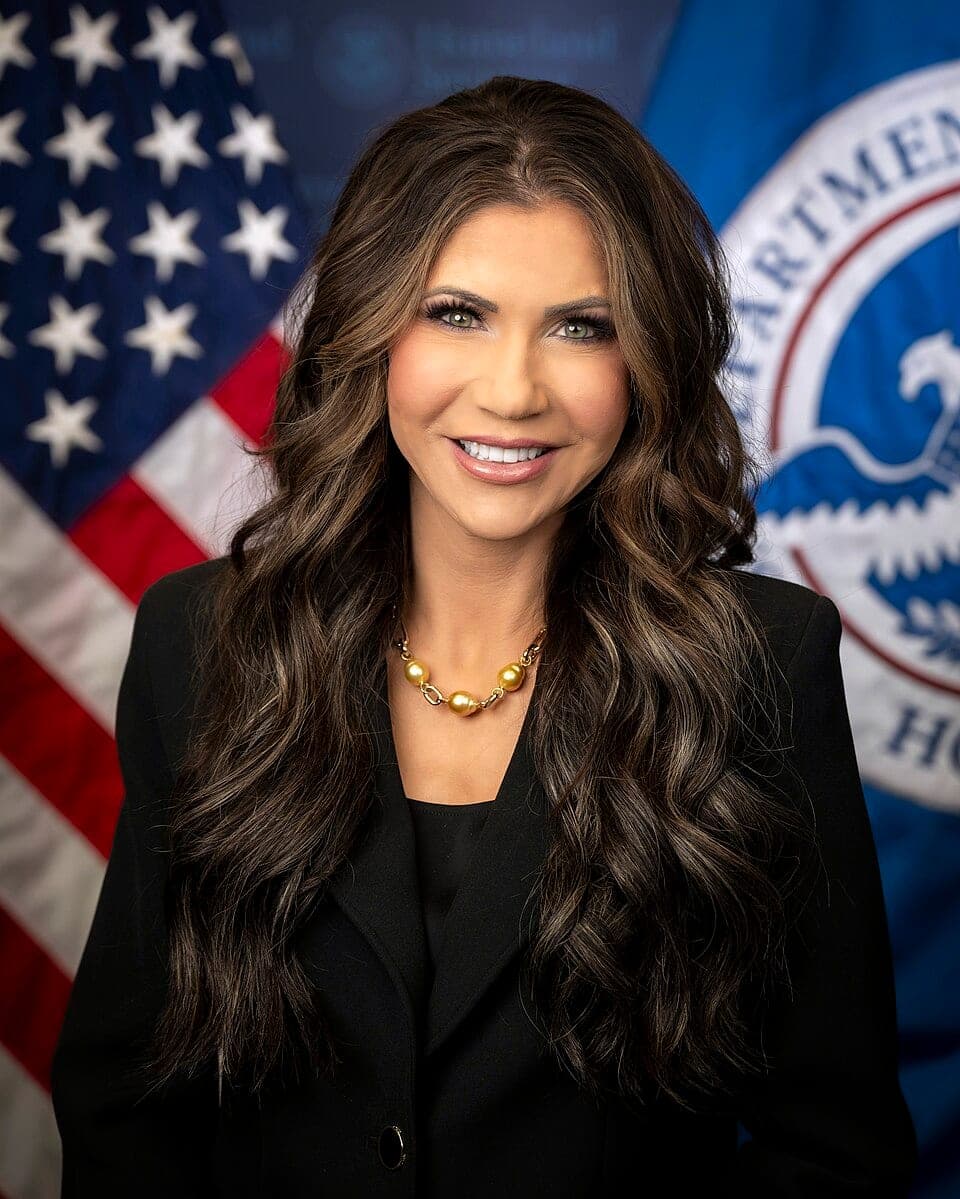
Homeland Security secretary who issued the visitation policy
Noem's version of this story ↗
President whose administration said the ICE agent’s shooting of Renee Good was justified

Minnesota representative who joined the visit to the Minneapolis ICE facility
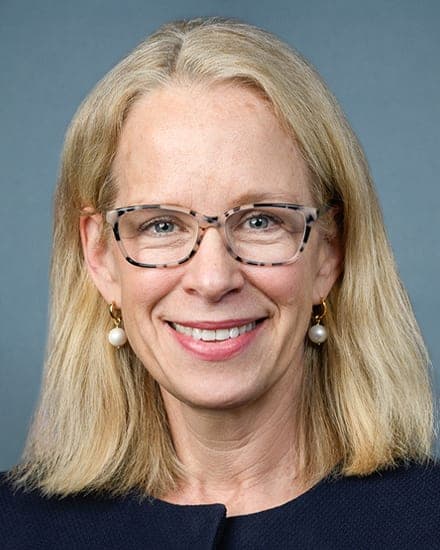
Minnesota representative who joined the visit to the Minneapolis ICE facility
Part of a bigger story
7 OUTLETSThree Minnesota representatives, including Angie Craig, were denied further access to an ICE facility in Minneapolis during an oversight visit. Center outlets emphasize DHS’s seven-day notice policy and its implications for congressional oversight, including Craig’s argument that Congress must oversee detainee treatment. Right-leaning outlets foreground the lawmakers being ordered out and Craig’s challenge to the agency’s stated rationale.
- ARTICLES
- 7
- OUTLETS
- 7
- AVG CRED
- 78
Discussion · 0
Loading comments…